Delhi Grapples with Severe Air Pollution: What's Allowed and What's Not Under GRAP-III
The AQI surged as high as 464, prompting officials to provide guidelines aimed at reducing pollution and protecting public health. | India News
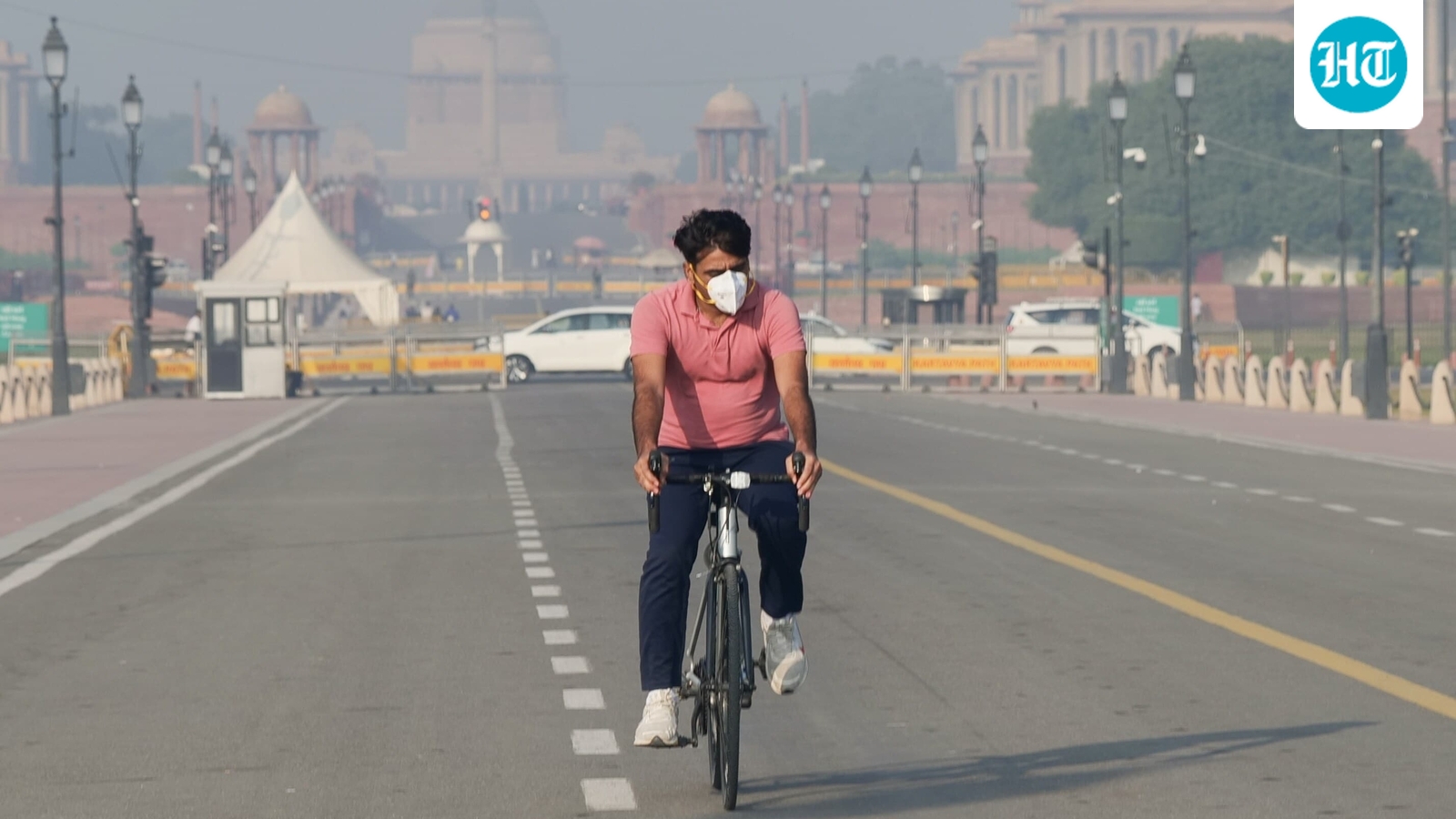
Delhi's air quality has plummeted to 'severe' levels, forcing the government to impose stage-III of its graded response action plan (GRAP). The Air Quality Index (AQI) soared to 429 on Tuesday morning, breaching the 400-mark for the first time this season.
According to the Central Pollution Control Board (CPCB), 38 out of 39 active stations in Delhi-NCR recorded 'severe' AQI levels at 11 am on Tuesday. The worst-hit areas included Mundka with an AQI of 464, RK Puram and Mathura Road with 458, and Nehru Nagar with 456.
Under GRAP-III, non-essential construction and demolition activities are prohibited, including earth excavation, piling, and laying of sewer lines. Private BS-III petrol and BS-IV diesel vehicles in Delhi and its neighboring cities are also restricted. Diesel-run medium goods vehicles and light commercial vehicles are banned, except those transporting essential goods or providing essential services.
To reduce emissions, establishments are advised to allow employees to work from home or switch to hybrid arrangements. Schools usually switch to online classes, but there has been no announcement on school closures yet. Public projects, including railways, metro construction, and healthcare services, are exempt from the ban but must follow strict dust and waste management guidelines.
The AQI levels are categorized as follows: moderate (100-200), poor (201-300), very poor (301-400), and severe (401-500). The severe levels affect healthy people and impact those with existing diseases.