Delhi's Air Emergency: Kiran Bedi Calls for Urgent Action and Visible Leadership
Ex-cop and BJP's former Delhi CM face, Kiran Bedi described capital’s worsening air as “public-health emergency”, said “governance can’t be remote-controlled” | India News
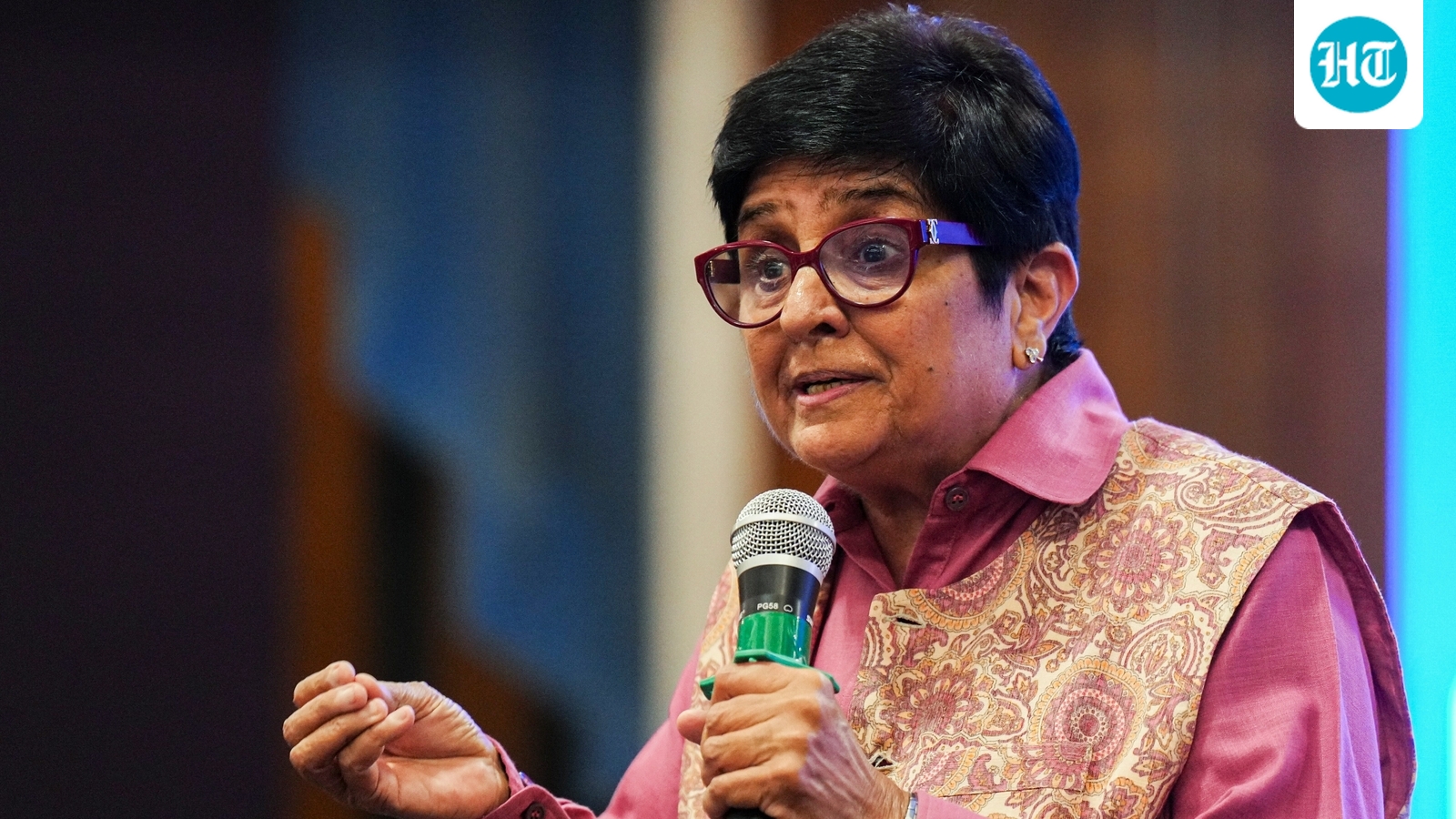
Former Lieutenant Governor Kiran Bedi has sounded the alarm over Delhi's worsening air pollution, describing it as a 'public-health emergency.' In a series of posts on X, she urged government officials to step out of meeting rooms and into the smog-filled streets, emphasizing the need for visible leadership and collaborative administration.
Bedi's appeal comes a day after she made a public plea to Prime Minister Narendra Modi to personally intervene and direct efforts to reduce air pollution. She recalled Modi's effective leadership style during her tenure in Puducherry and urged him to use his influence to reassure citizens and drive action.
According to Bedi, Delhi's air crisis is not an accident, but the result of decades of governance failures. She outlined a 'considered responsibility plan' to address the issue, which includes enforcing national standards and fuel rules, ensuring uniform directives across the National Capital Region (NCR), and aligning key ministries.
The plan also calls for state chief ministers, chief secretaries, and directors general of police to drive enforcement, while district magistrates lead daily field execution. Municipal bodies, police, and pollution boards are responsible for managing waste, dust, traffic, and industrial compliance.
Delhi's air quality remains 'very poor,' with an AQI of 316 on Saturday, according to the Central Pollution Control Board's Sameer app. Forecasts indicate no immediate improvement in the coming week, raising concerns over the city's ability to address the crisis.
Bedi's comments echo those of Chief Justice of India Surya Kant, who recently expressed frustration over the lack of progress in addressing air pollution. Bedi's 'blueprint' for action emphasizes the need for area town halls, real-time field visits, and administrators who 'see, feel, and correct' conditions on the ground.
As Delhi struggles to breathe, Bedi's call to action highlights the urgent need for a shift in how authorities respond to pollution. Will her plan be the catalyst for change, or will the city continue to suffer under the weight of poor air quality?