Delhi's Air Plunges into Hazardous Territory, with 19 Stations Crossing 'Severe' Threshold
Delhi AQI: Air quality is expected to remain in the “very poor” category until at least December 5, with no improvement likely over the following six days. | India News
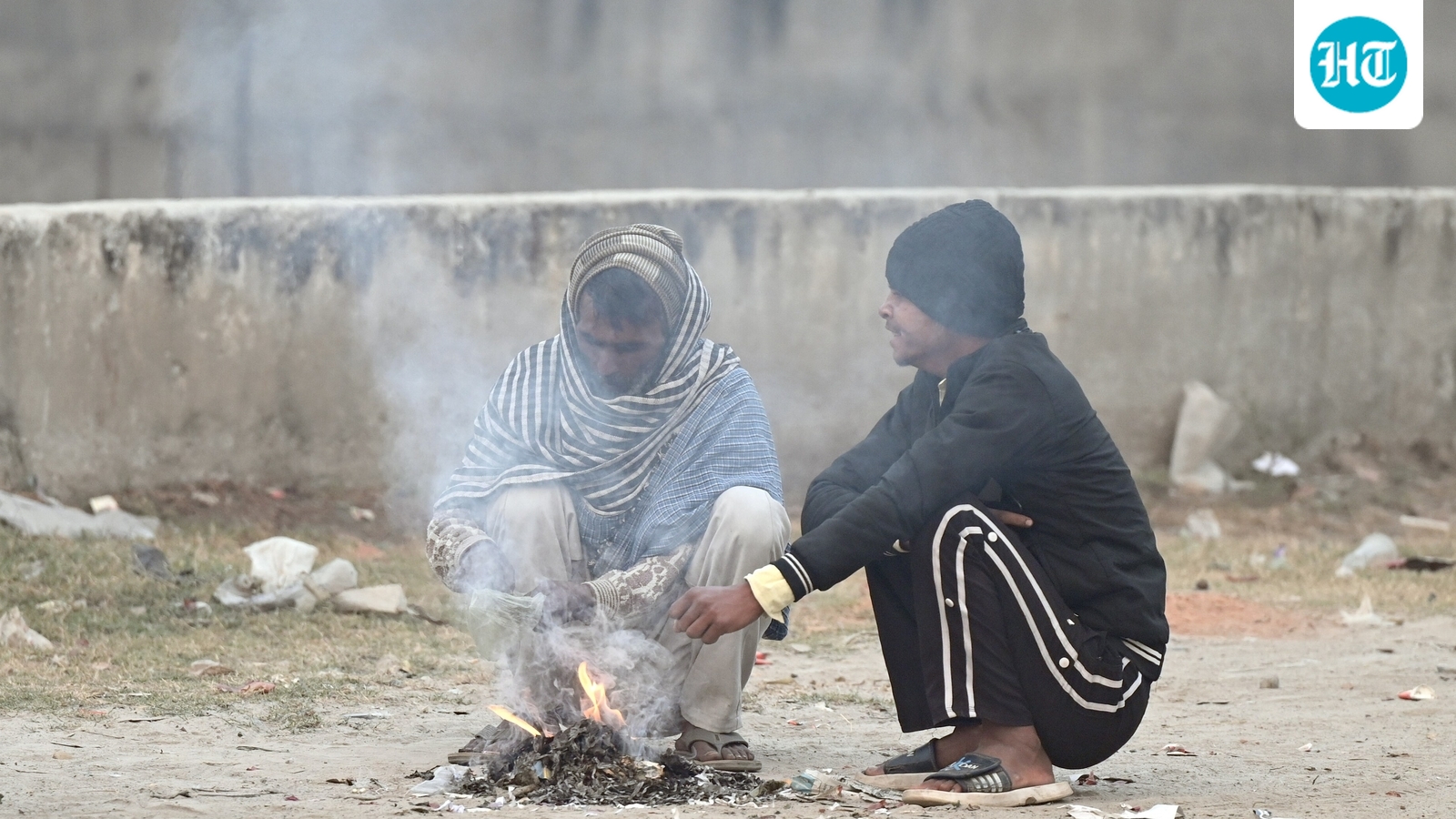
Delhi's air quality has taken a drastic turn for the worse, with the city's pollution levels skyrocketing to hazardous levels on Tuesday evening. By 9 pm, the national capital recorded an Air Quality Index (AQI) of 390, a significant jump from 304 on Monday and 279 on Sunday, according to data from the Central Pollution Control Board (CPCB).
A total of 19 out of 39 monitoring stations in Delhi recorded AQI levels above 400, indicating severe air pollution that can have serious health impacts. The areas most affected by pollution include Burari, Anand Vihar, Mundka, Bawana, Vivek Vihar, Rohini, Sonia Vihar, Ashok Vihar, and Punjabi Bagh.
The Air Quality Early Warning System for Delhi has forecasted that the city's AQI is expected to remain in the 'very poor' category until at least December 5, with no immediate improvement in overall air quality expected in the next six days.
According to the CPCB's Sameer app, transport pollution emerged as the largest local contributor to emissions on Tuesday, accounting for 18.4% of Delhi's overall pollution. Neighbouring cities, including Noida, Ghaziabad, Baghpat, Panipat, and Gurugram, also contributed significantly to the city's pollution levels.
Transport emissions are expected to continue contributing to pollution on Wednesday, with a forecasted 15.6% contribution to the city's overall pollution levels.