Delhi's Air Quality Crisis: E-Rickshaw Curbs and Stringent PUC Fines Amidst Christmas Pollution Woes
State environment minister Manjinder Singh Sirsa, meanwhile, warned of action against polluting industries  | India News

Delhi's air quality crisis continues, with the city recording a "very poor" air quality index (AQI) for the seventh straight day on Monday. The situation is unlikely to improve before Christmas, with forecasts indicating that the AQI will remain in the "very poor" category from December 23 to 25.
The Delhi government has announced new measures to curb pollution, including regulations to control the operating areas and routes of e-rickshaws, which are contributing to congestion and pollution. The government will also make pollution-under-control (PUC) certificate fines more stringent by preventing waivers.
State environment minister Manjinder Singh Sirsa warned that action will be taken against polluting industries and private companies that do not adhere to orders requiring 50% of staff to work from home. Over 200,000 vehicles have been tested for PUC certificates since Thursday, with over 10,000 failing the test.
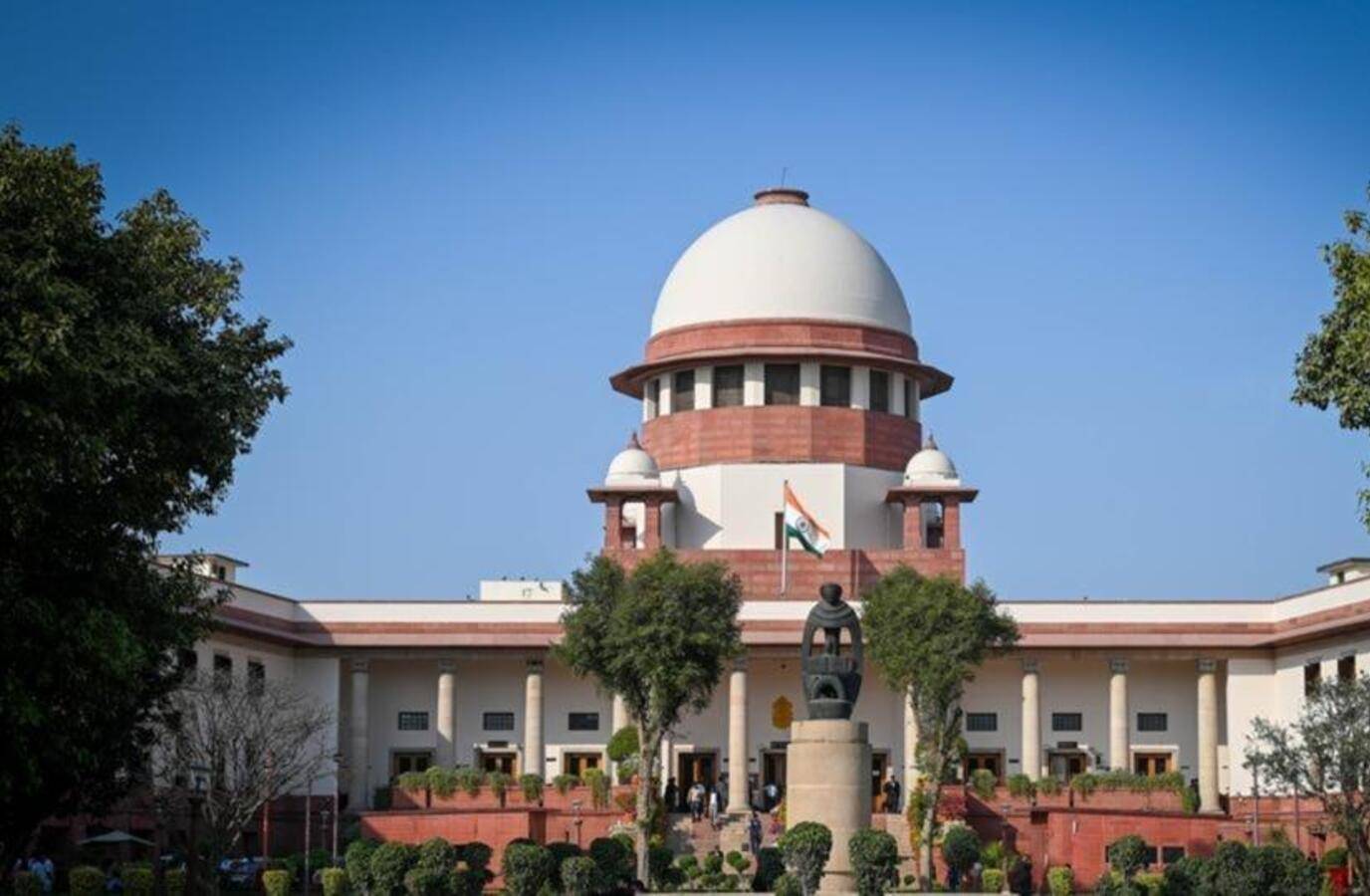
The Commission for Air Quality Management (CAQM) in the National Capital Region reviewed existing measures to tighten air pollution in the region, including the end-of-life vehicles policy. The CAQM reiterated the apex court's order to end protection to old BS-3 vehicles.
Despite the flurry of measures, Delhi's residents are unlikely to breathe easy. Forecasts by the Air Quality Early Warning System (EWS) show that the city's AQI will remain "very poor" for four days at least. The India Meteorological Department (IMD) has forecast shallow to moderate fog in Delhi from December 23 to 28, but strong surface winds are expected to reduce fog intensity from December 26 onwards.
Fog has already reduced visibility in large parts of the northern plains, with zero visibility recorded at several locations. Delhi's maximum temperature on Monday stood at 21.8°C, while the minimum was 11°C. The IMD has forecast a sharp dip in the minimum temperature to between 6°C and 8°C by Christmas.