Delhi's Air Quality Crisis Hits 20 Days: Experts Warn of Second-Longest Pollution Siege
The streak began in early November as the winter pollution season took hold, but unlike previous years, farm fires have contributed far less to the crisis. | India News
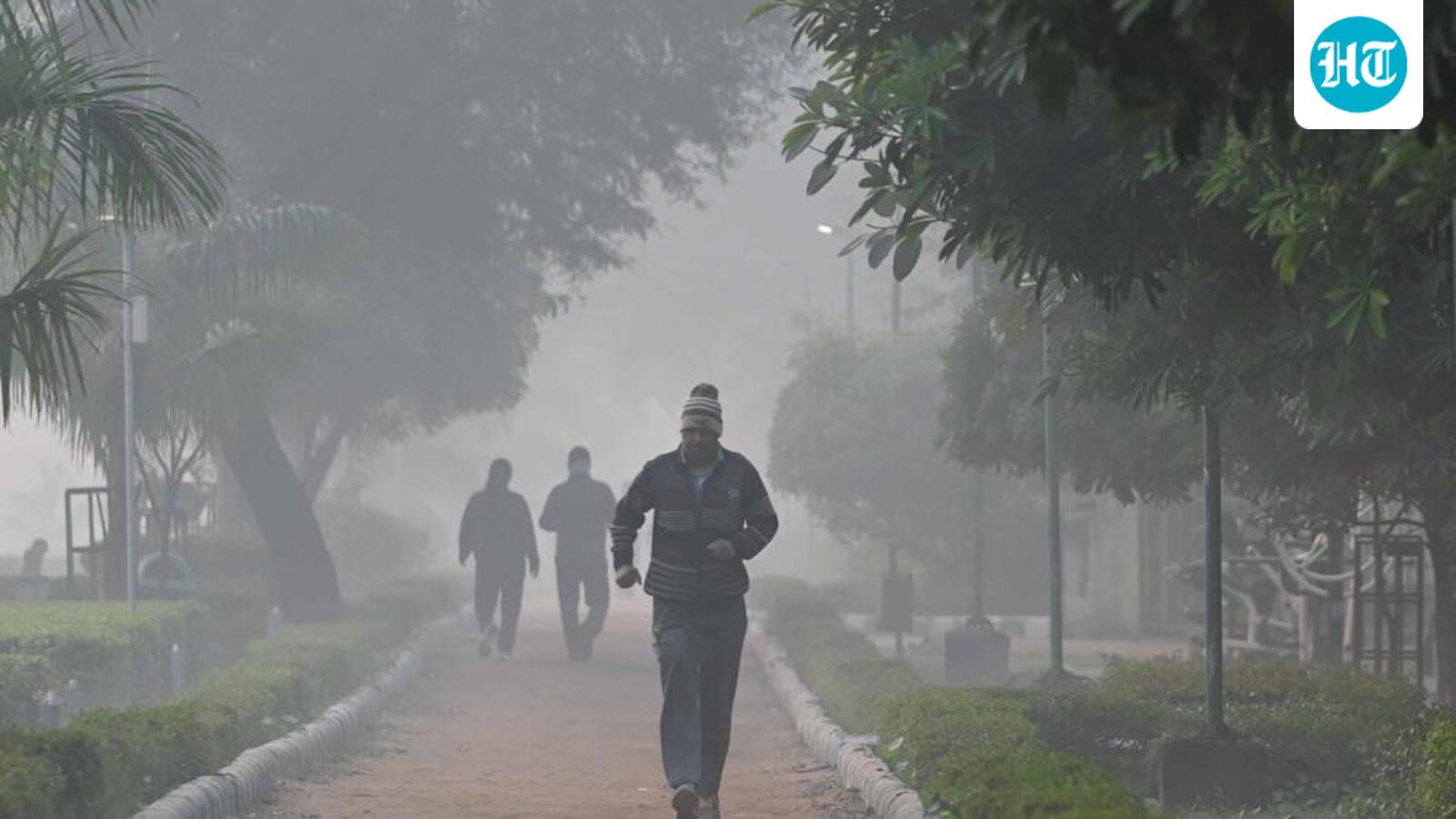
Delhi's air quality has plummeted to 'very poor' for 20 consecutive days, with no end in sight to the toxic streak. If current pollution levels persist until the weekend, the city will record its second-longest pollution siege, surpassing the fifth-longest streak on record.
Forecasts indicate that meteorological conditions will remain unfavorable until November 28, pushing the streak to 23 days. This would tie for the second-worst on record, with the longest streak occurring last year when Delhi logged 32 consecutive days of 'very poor' or worse air.
While farm fires have contributed less to the crisis compared to previous years, the impact of prolonged pollution is evident. Experts attribute the sustained pollution to calm winds and frequent changes in wind direction, preventing the dispersal of pollutants.
"Systemic failures in pollution control" is how Sunil Dahiya, founder and lead analyst at Envirocatalysts, describes the prolonged streak. "This long and consistent streak shows how reactionary measures under the Graded Response Action Plan are not being implemented on the ground, leading to no emission load reduction," he said.
Dipankar Saha, former head of the CPCB's air laboratory, emphasizes the need for stringent measures to tackle sources of pollution. "We know invariably, meteorological conditions will turn unfavourable in the winter months. In such a situation, we need better on-ground implementation of measures, even if it inconveniences people," he said.
The CPCB classifies air quality as 'good' when AQI is 50 or lower; 'satisfactory' between 51 and 100; 'moderate' between 101 and 200; 'poor' between 201 and 300; 'very poor' between 301 and 400; and 'severe' when it exceeds 400.
Experts warn that the persistence of 'very poor' air has become a defining characteristic of this winter season. The India Meteorological Department has stated that a western disturbance is not expected to impact northwest India until at least the end of the month, meaning an immediate reprieve is unlikely.
The economic impact of air pollution is staggering, with the latest Global Burden of Disease (GBD) 2023 data estimating 7.9 million deaths worldwide in 2023 due to high air pollution levels, along with an annual global economic cost of approximately $6 trillion due to health damages.