Delhi's AQI Crisis: Hybrid Schooling Struggles Exposed as City Grapples with Poor Air Quality
Delhi AQI: With only one smartphone at home, a Mayur Vihar resident planned to send her Class 5 daughter to school and keep her Class 2 son online.  | India News
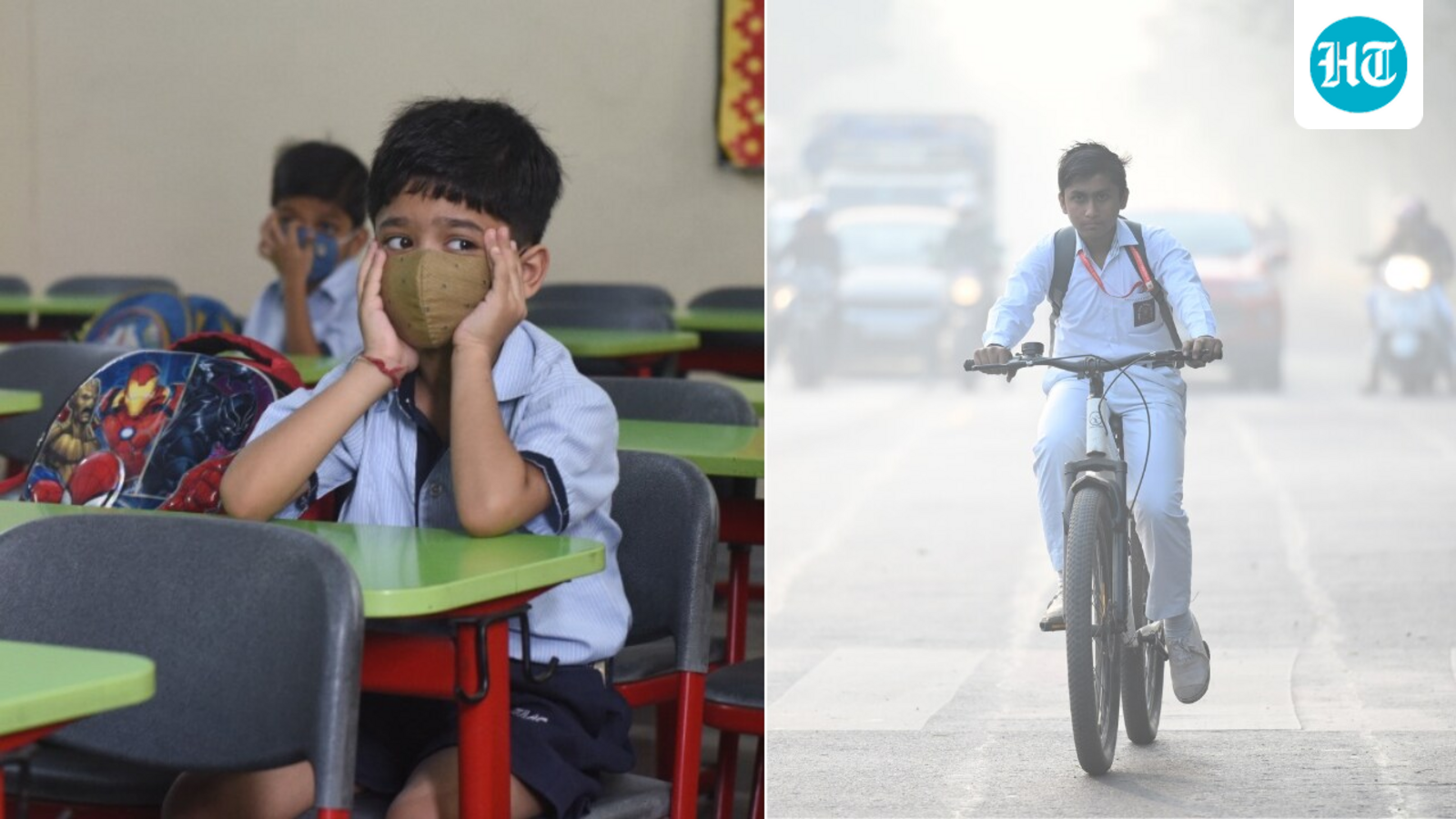
Delhi's residents woke up to another hazardous morning, with the city's average AQI soaring to 359, prompting the government to implement hybrid schooling for Classes 1-5. However, this decision has exposed a deeper crisis - the city's inadequate infrastructure and digital divide.
For many families, the struggle to access education has become a daily challenge. Teachers at government schools lack the basic tools, such as laptops or tablets, required for online classes. Basic connectivity is also a significant issue, with some schools relying on mobile data and others struggling with Wi-Fi infrastructure.
Parents are finding it difficult to navigate the hybrid system, with many preferring offline mode due to the uncertainty and lack of clarity. In some cases, parents are sending one child to school and another to online classes, while others are keeping their children home altogether.
Schools are also struggling to adapt to the dual mode, with teachers finding it challenging to balance the needs of in-person and online students. Despite the government's efforts to provide support, the digital divide and infrastructure gaps remain significant hurdles.
Delhi's education minister, Ashish Sood, stated that the government is following directives to protect students' health and has instructed schools to prepare timetables for online classes and utilize available digital infrastructure. However, the city's AQI remains a pressing concern, with several areas recording 'very poor' air quality.
The Central Pollution Control Board reported that Bawana continued to be the worst-affected area, with an AQI of 427, while popular areas like India Gate and Kartavya Path recorded an AQI of 341. The cold weather has added to the discomfort, with temperatures hovering around 9°C, making it the coldest November morning since 2022.
As Delhi grapples with its AQI crisis, the city's residents and educators must work together to find a solution that prioritizes students' health and education.