Delhi's AQI Hits 'Very Poor' Levels, but Stage 3 Pollution Measures Remain Uninvoked: What's Behind the Delay?
Air Quality Index (AQI) again breached the 350-mark, a threshold set by SC last year for GRAP-3 measures, but not in place yet this year as per revised norms | India News
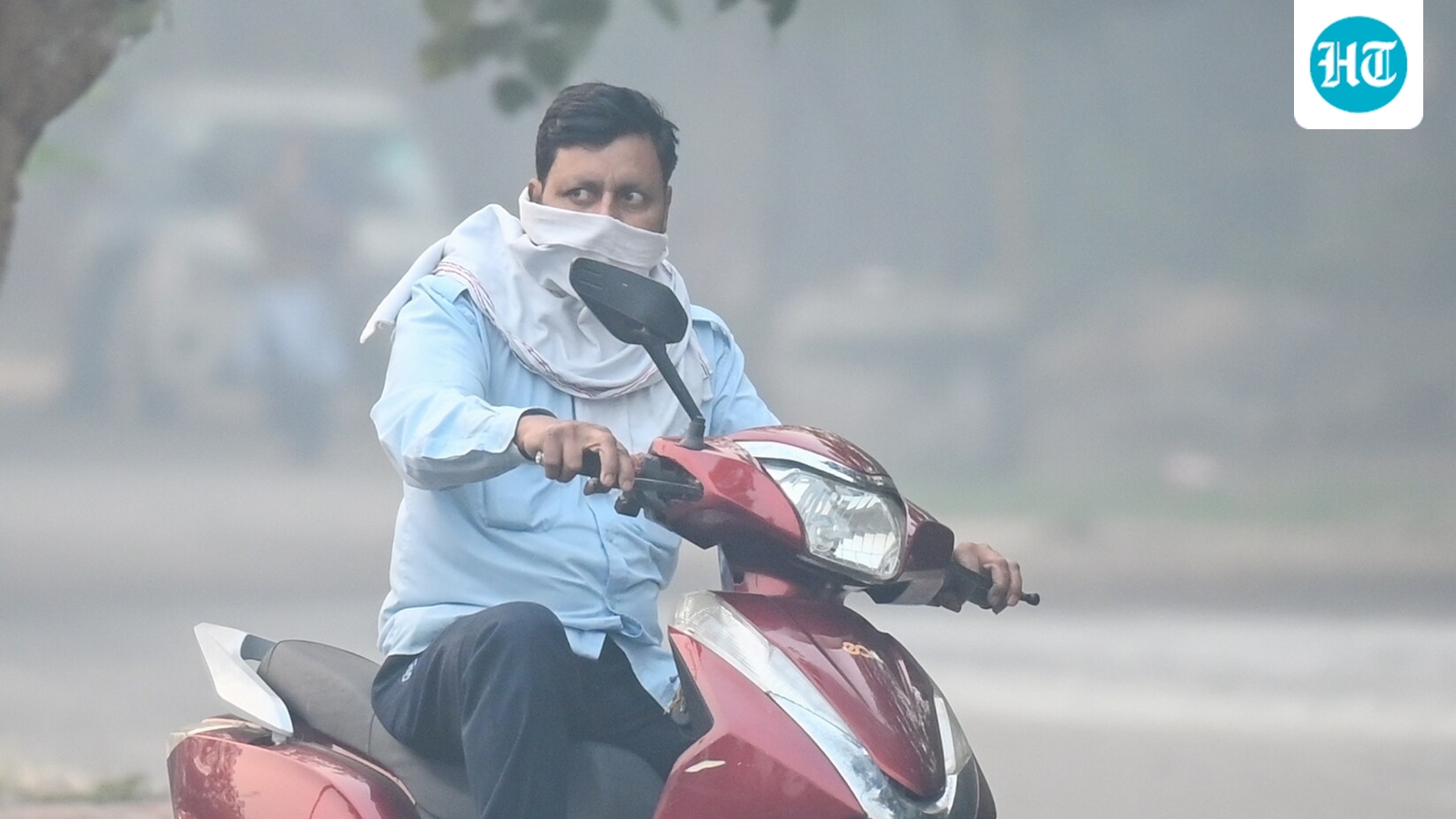
Delhi's air quality has plummeted to 'very poor' levels, with the AQI breaching the 350-mark for the fourth time since Stage 2 of the Graded Response Action Plan (GRAP) was invoked. However, despite the high pollution levels, Stage 3 measures, which include stricter restrictions on vehicle emissions and school closures, have not been put in place.
The Supreme Court had directed the Central Pollution Control Board (CPCB) to alter the pollution thresholds last year, shifting the trigger point for Stage 3 from 400 to 350. However, the CPCB has chosen to stick to the original thresholds, citing the fact that some measures under Stage 2, such as restrictions on diesel generators and sweeping, are already in place.
Experts have criticized this approach, saying that it is passive and fails to prevent high pollution levels. "The aim should have been to prevent AQI from touching 350," said Sunil Dahiya, founder and lead analyst at Envirocatalsysts.
The AQI in Delhi has remained in the 'very poor' category, with a reading of 355 at 8 am on Saturday. The 24-hour rolling average peaked at 388, indicating difficulty in breathing, watery eyes, and scratchy throats. The forecast predicts that the air quality will likely reach the 'severe' category on Tuesday.
Under GRAP Stage 1, which was imposed on October 14, restrictions include banning operations at unregistered construction sites and prohibiting open fires. Stage 2, which was invoked on October 19, focuses on discouraging private vehicle use and enhancing cleaning. Parking fees have been increased, and entry of polluting buses from neighboring states into Delhi is restricted.
However, Stage 3 restrictions would be much harsher, including a ban on all older four-wheelers in Delhi-NCR and restrictions on diesel-operated MGVs and LCVs. People would be advised to work from home if possible.
The CAQM has not responded to queries on why Stage 3 has not been implemented, despite the high pollution levels. As the situation continues to deteriorate, residents are left wondering when stricter measures will be put in place to protect their health and well-being.