
Delhi's Butterfly Boom: Unlikely Visitors Arrive as City Nurtures its Green Spaces
Ecologists said the discovery of new species in Delhi signals the surprising ways in which butterflies are arriving, and in some instances settling here | India News
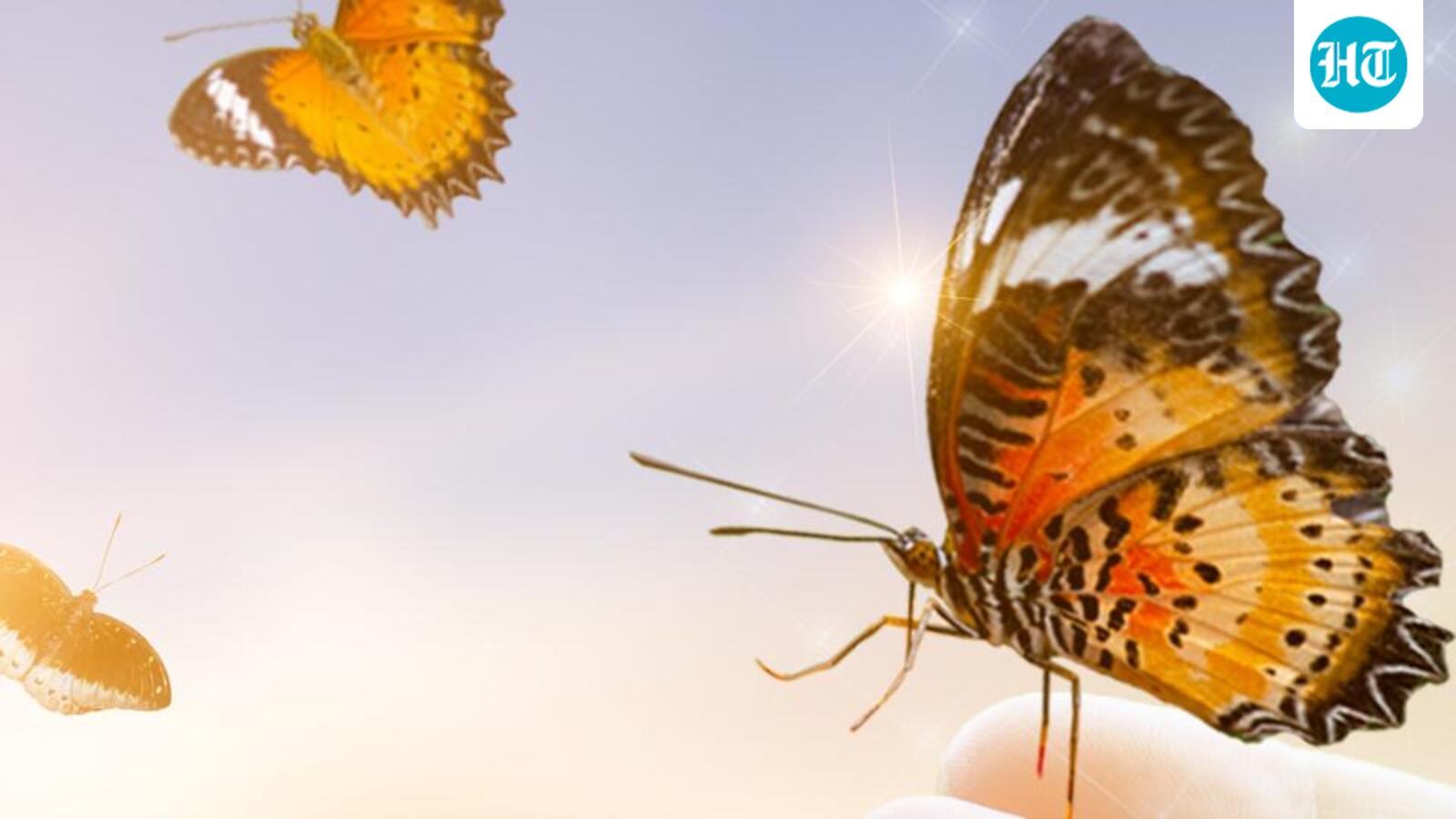
Every September, Delhi transforms into a vibrant observatory for butterflies, with 70 species recorded this year. However, the real story lies in the unexpected visitors from the Himalayas, which have made Delhi their new home. Ecologists attribute this phenomenon to the city's favorable conditions, including ample monsoon rains and expanding green zones, which have created a haven for breeding. But what's behind the arrival of these 'accidental immigrants'? Experts reveal that saplings, fruits, and vegetables sourced from the Himalayas often carry eggs and pupae, which then complete metamorphosis in Delhi's warmer and greener spaces.
Butterflies are not just a delight to watch; they are vital indicators of ecological health. Sohail Madan, an ecologist, believes that when habitat is nurtured, nature responds. Delhi's enhanced butterfly sightings show that the city is on the right track. The common cerulean, large branded swift, and common jay, all Himalayan natives, have now made Delhi their home. Zoologist Dr. Suryaprakash's research has shed light on the role of plantation drives and produce imports in ferrying butterflies into the city.
A combination of climate change and heavy rainfall has altered butterfly behavior, making Delhi's humidity and temperature levels suitable for some species. While some have seen a decline, others have surged in recent wet years. The Delhi Butterfly Corridor, launched in 2018, has been a key factor in this boom. By linking habitats and introducing nectar-rich plants, the corridor has created a network of green spaces that attract butterflies.
As Delhi's butterfly count climbs steadily, researchers say this is partly due to a more climate-conscious city and partly serendipity. The accidental transport of life stages of butterflies on leafy greens, nursery saplings, and vegetable foliage has contributed to the city's transformation. With citizen participation in urban ecology on the rise, schools, RWAs, and nature clubs are now contributing to the city's butterfly count. However, experts warn that flowering is happening early, and if conditions stay favorable, more Himalayan species may breed in Delhi. But butterflies are bio-indicators, and if their comfort zone is crossed, they vanish just as quickly.