Delhi's Toxic Air Reaches 'Life-Threatening' Levels: Experts Warn of Grave Consequences
Delhi pollution news: Calling this a 'public health emergency', experts have said that there is enough evidence to show that pollution hits life expectancy. | India News
Delhi's air quality has plunged to alarming levels, with nearly 80% of households in the city and its surrounding areas reporting at least one member falling ill due to toxic air in the past month. Experts have sounded a 'red alert,' warning of severe health consequences, including shortened life expectancy.
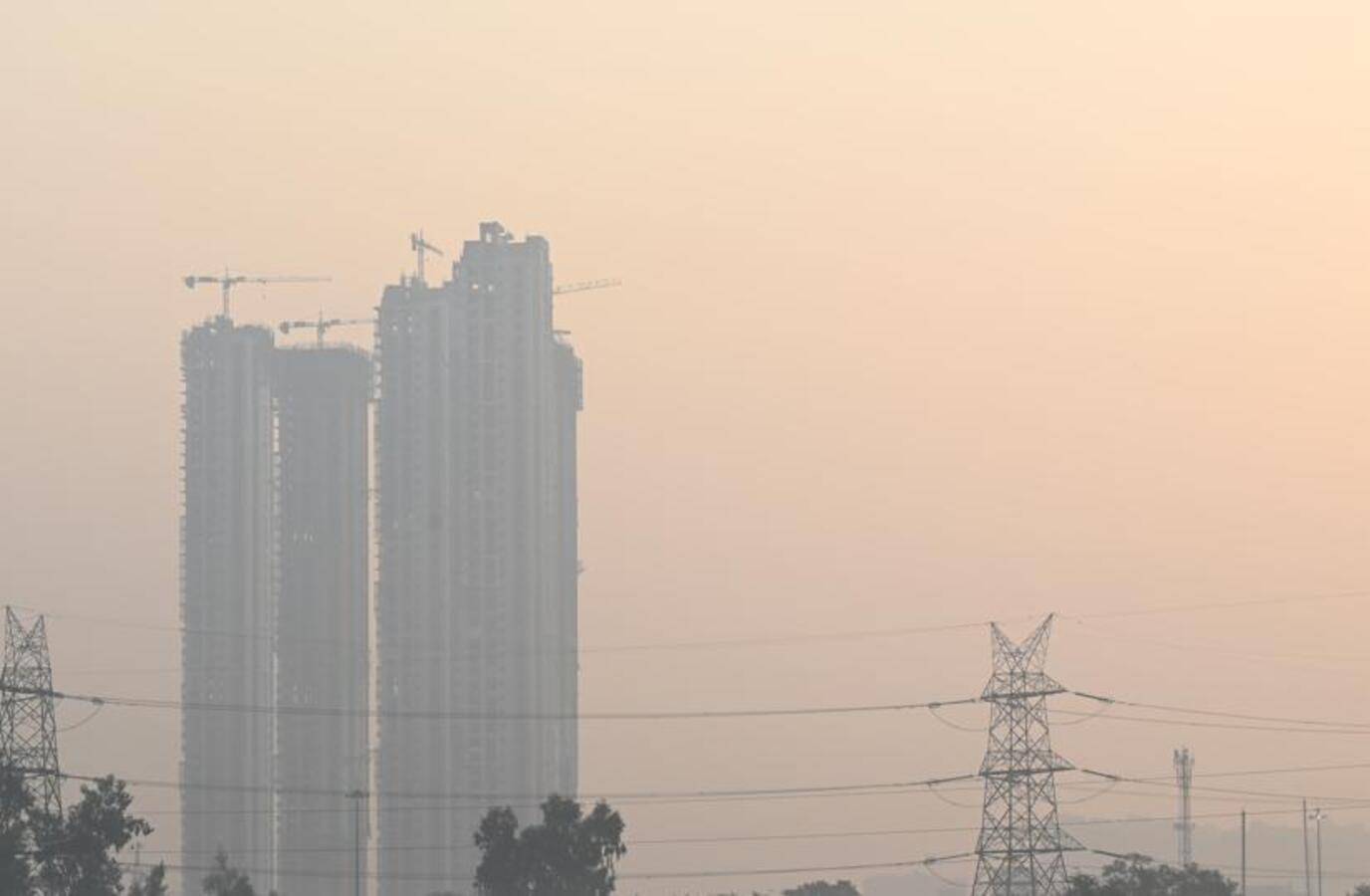
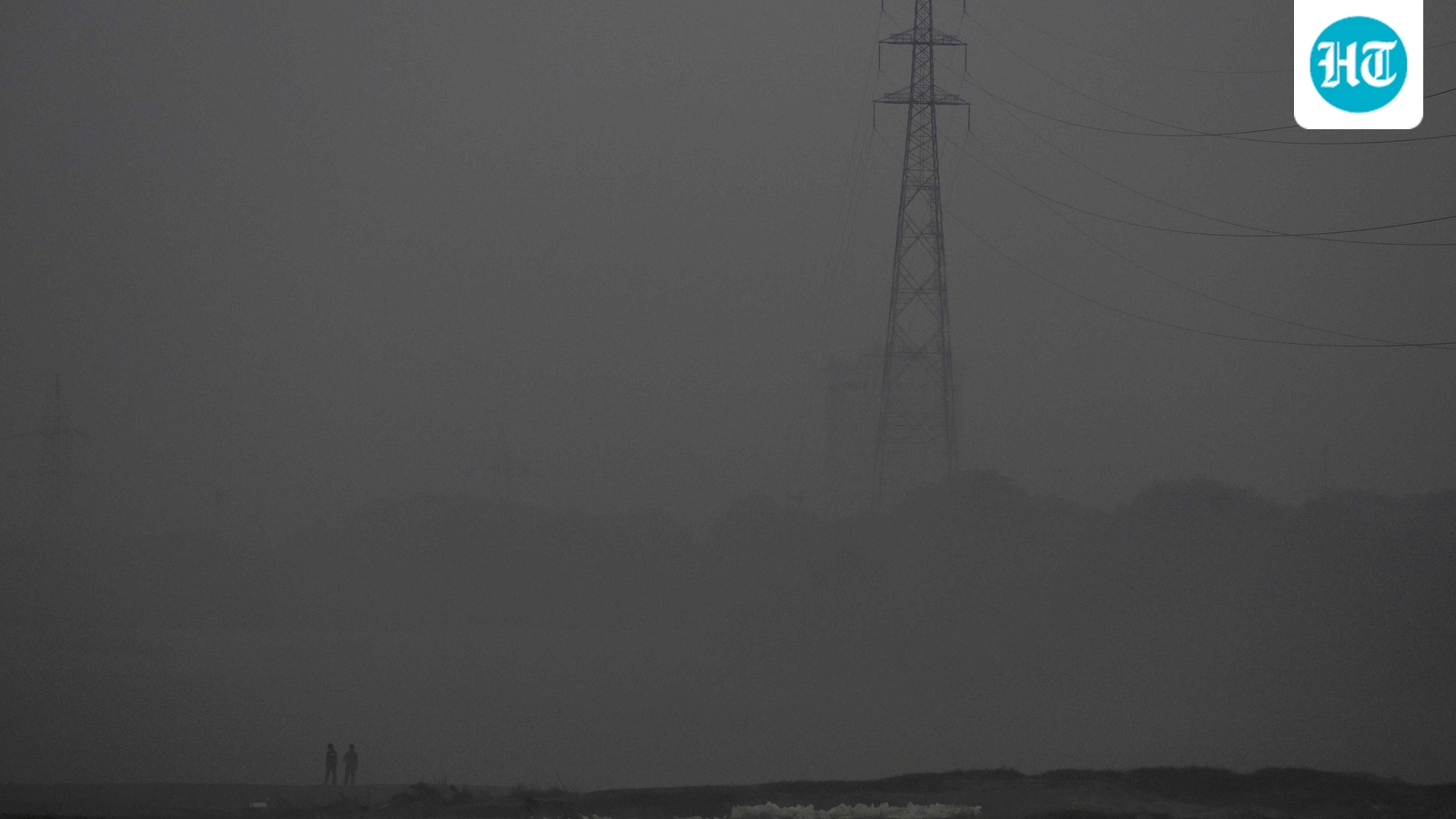
The city's air quality index (AQI) has remained in the 'very poor' category for eight consecutive days, with 18 monitoring stations logging AQI levels above 400. The situation is expected to worsen over the next six days due to stagnant winds and winter inversion.
According to doctors at AIIMS, the pollution has entered 'medical emergency' territory, with hospitals witnessing a 10-15% spike in respiratory and pollution-linked cases. The experts stressed that while masks and air purifiers offer some protection, a long-term policy change is needed to tackle the problem.
A LocalCircles survey found that 8 in 10 households in Delhi-NCR had at least one member fall ill due to toxic air in the past month. Residents reported persistent cough, burning eyes, headaches, congestion, and aggravated asthma.
The Supreme Court has urged the Central Pollution Control Board (CPCB) to consider deferring school sports events and emphasized the need for monthly monitoring of air pollution mitigation. Residents are protesting at India Gate and Jantar Mantar, demanding urgent government action.
Experts point out that vehicular emissions and stubble burning are significant contributors to the pollution, with 17.3% and 2.8% of PM2.5 pollution respectively on Thursday. However, the situation is expected to improve slightly with a decrease in vehicular emissions and stubble burning.
The situation has prompted experts to call for drastic measures, including year-round policy change, to tackle the problem. They warn that the pollution has severe consequences, affecting not just respiratory health but also other organs, including the heart, brain, and mental health.
As the city struggles to breathe, residents are left with no choice but to demand urgent government action to tackle the toxic air crisis.