Delhi's War on Pollution: Minister Sirsa Unveils Ambitious Plans to Tackle Air Quality Crisis
Rejecting AAP’s charge, Sirsa said the government’s pollution control measures are showing results, with air quality better than in previous years. | India News
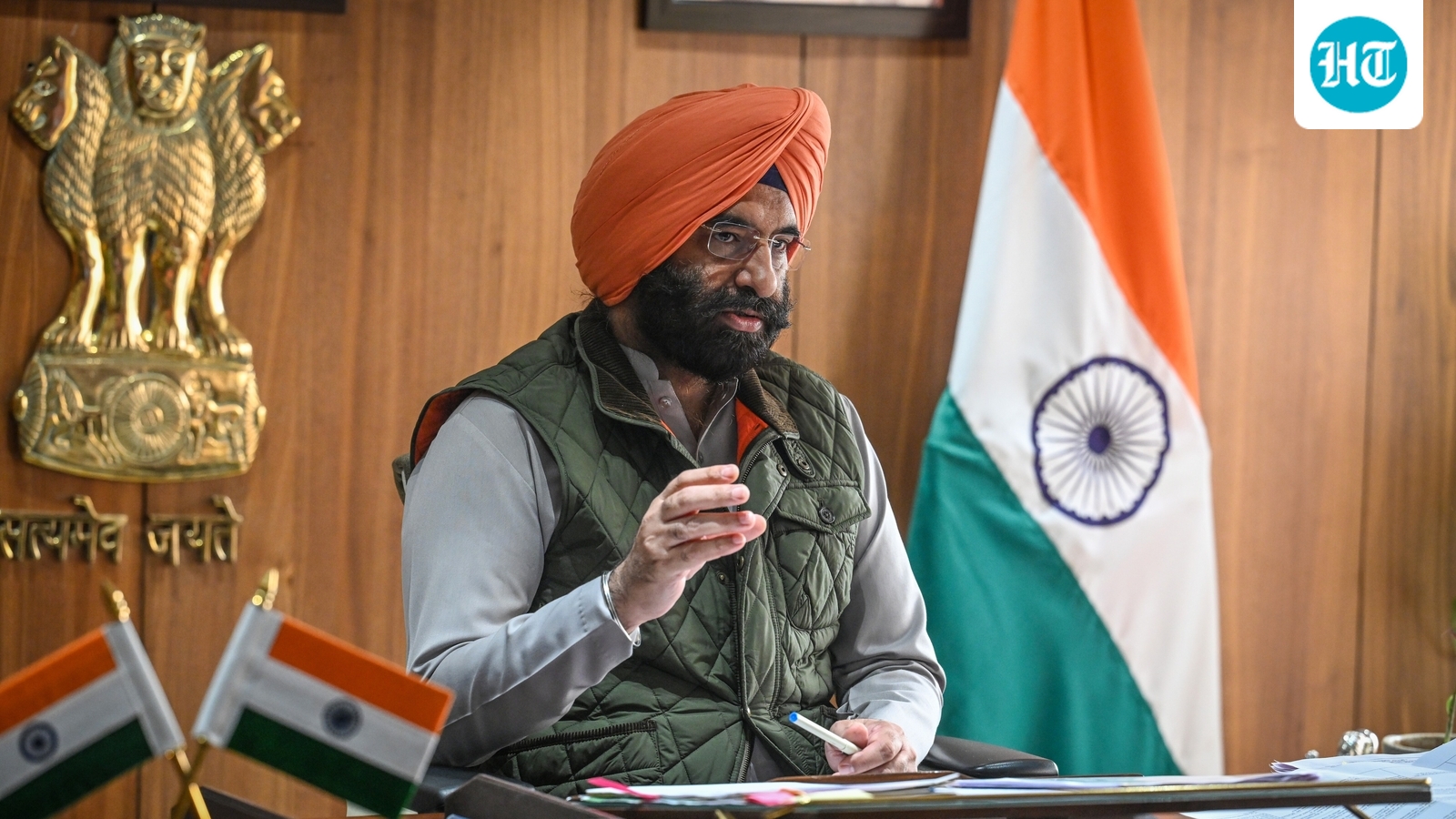
As Delhi's air quality hit a record high, Environment Minister Manjinder Singh Sirsa outlined the government's strategy to combat pollution. In an exclusive interview with HT, Sirsa highlighted the four main contributors to pollution: vehicular emissions, dust, industrial waste, and waste burning.
The government is focusing on a multi-pronged approach, including shifting to electric vehicles, improving road conditions, and monitoring pollution hotspots. Additionally, 91 mechanized road sweepers are deployed, and anti-smog guns are being installed on high-rise buildings.
Sirsa emphasized the importance of industrial regulation, with 27 unauthorized areas in the process of being regularized. Over 1,200 polluting industries have been identified, and action has been taken against them. The Delhi Pollution Control Committee will monitor construction sites online, and 1,812 enforcement teams are on the ground to tackle pollution.
Cloud seeding trials have been conducted, but Sirsa clarified that it's not a government initiative, but rather a collaborative effort with IIT-Kanpur. The government is also exploring innovative solutions, including smog-eating surfaces and roof-mounted pollution-absorbing devices.
To tackle the current crisis, Stage-3 of the Graded Response Action Plan has been implemented, with immediate effect. Sirsa stressed the need for interstate coordination, with regular meetings with NCR states to address cross-boundary pollution.
The government has set a long-term goal to reduce pollution by 50% by 2030. Sirsa outlined measures to achieve this, including greening initiatives, better monitoring of industries and construction, and reducing dust pollution by 30%.
Regarding protests at India Gate, Sirsa acknowledged the right to protest but emphasized that it's impossible to clean up 10 years of pollution in just eight months. He also addressed allegations of data manipulation, stating that all data is online and available for public scrutiny.
Sirsa emphasized the importance of tackling sewage to improve Yamuna water quality, with a realistic deadline of December 2027 to clean the river, improve air quality, and flatten landfills.