Delhi Stuck in 'Very Poor' Air, But Why No Stage 3 Measures Yet? Experts Weigh In
Air Quality Index (AQI) again breached the 350-mark, a threshold set by SC last year for GRAP-3 measures, but not in place yet this year as per revised norms | India News
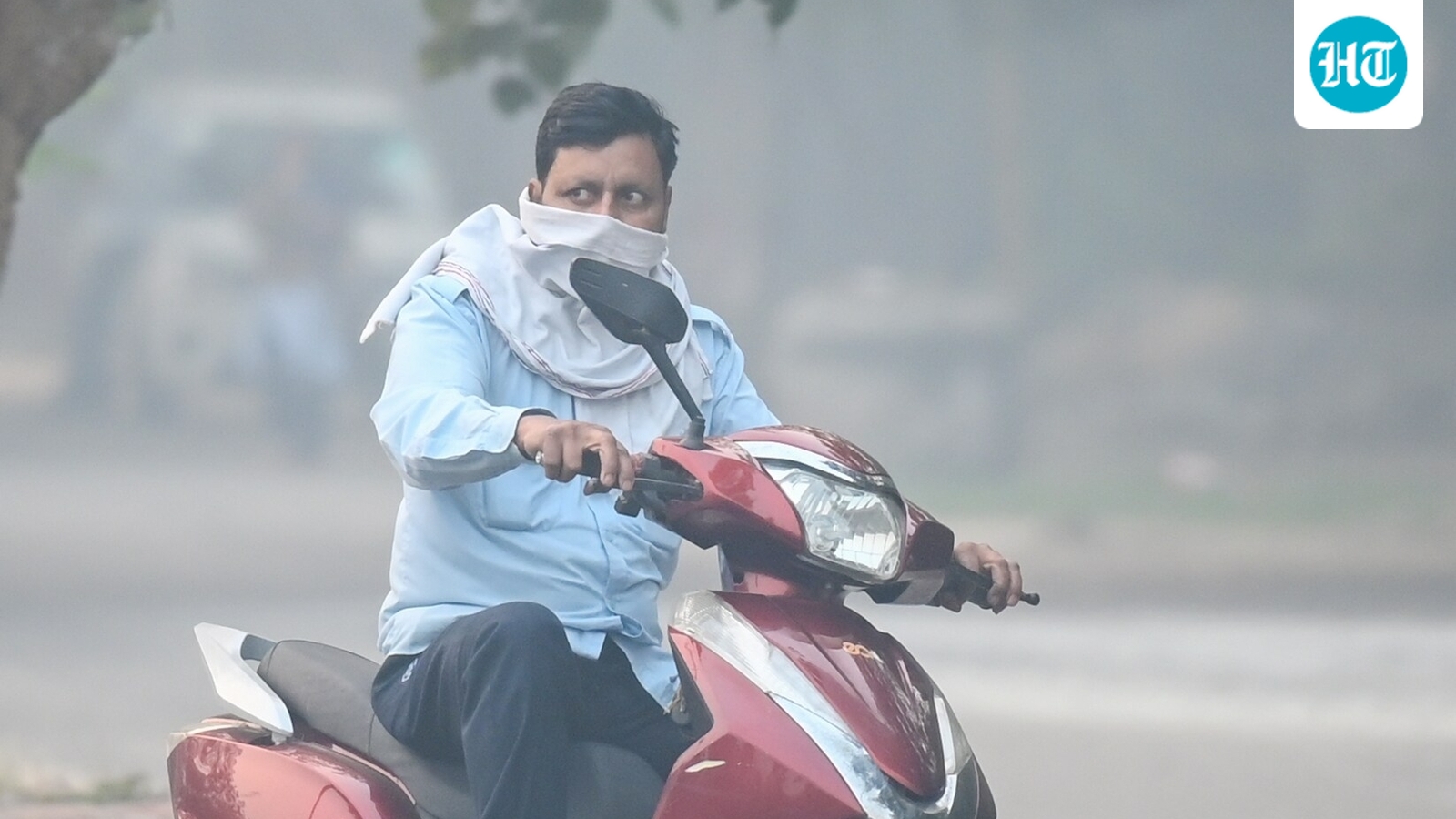
As Delhi's air quality worsened to 'very poor' on November 8, with an AQI of 355, many are left wondering why the city hasn't yet implemented Stage 3 measures under the Graded Response Action Plan (GRAP). The 24-hour rolling average peaked at 388, posing significant health risks to residents.
According to the Central Pollution Control Board (CPCB), Stage 2 of GRAP, which includes measures such as increasing parking fees, restricting polluting buses, and advising citizens to use public transport, has been in effect since October 19. However, experts claim that these measures are not sufficient to tackle the severe air pollution in the city.
The Supreme Court had directed the regulatory body, CAQM, to alter the pollution thresholds in 2024, setting the stage for Stage 3 measures to be implemented at an AQI of 350. However, the CAQM has chosen to stick to the original thresholds, invoking Stage 3 only when the AQI reaches 400.
Experts have criticized this approach, calling it 'passive.' "The aim should have been to prevent AQI from touching 350," said Sunil Dahiya, founder and lead analyst at Envirocatalsysts. Dipankar Saha, former head of CPCB's air laboratory, added that by the time the AQI becomes 'severe,' residents have already faced high exposure to particulate matter and gases like ozone.
Forecast predicts that the air quality is likely to worsen further, reaching the 'severe' category on Tuesday, November 9.
Under GRAP Stage 1, which was imposed on October 14, restrictions include banning operations at unregistered construction sites, prohibiting open fires, and sweeping and sprinkling on roads. Stage 2, which was invoked on October 19, focuses on discouraging private vehicle use, enhancing cleaning, and restricting the entry of polluting buses from neighboring states.
If implemented, Stage 3 measures would include a strict ban on older four-wheelers (BS-III for petrol and BS-IV for diesel) in Delhi-NCR, restrictions on diesel-operated Medium Goods Vehicles (MGVs) and certain non-Delhi registered Light Commercial Vehicles (LCVs), and advising people to work from home if possible.
Stage 4, 'severe plus,' would see the entry of trucks into Delhi stopped (except essential commodities and clean fuel trucks), strict bans on Delhi-registered diesel-operated BS-IV and below Heavy Goods Vehicles (HGVs), and state governments may consider imposing additional emergency measures, such as the odd-even rationing scheme for vehicles.