Dowry Deaths in India: Supreme Court Calls Out Commercialization of Marriage
The Supreme Court condemned dowry-related cruelty, emphasizing judicial deterrence and cancelling bail for a man accused of his wife's dowry death. | India News
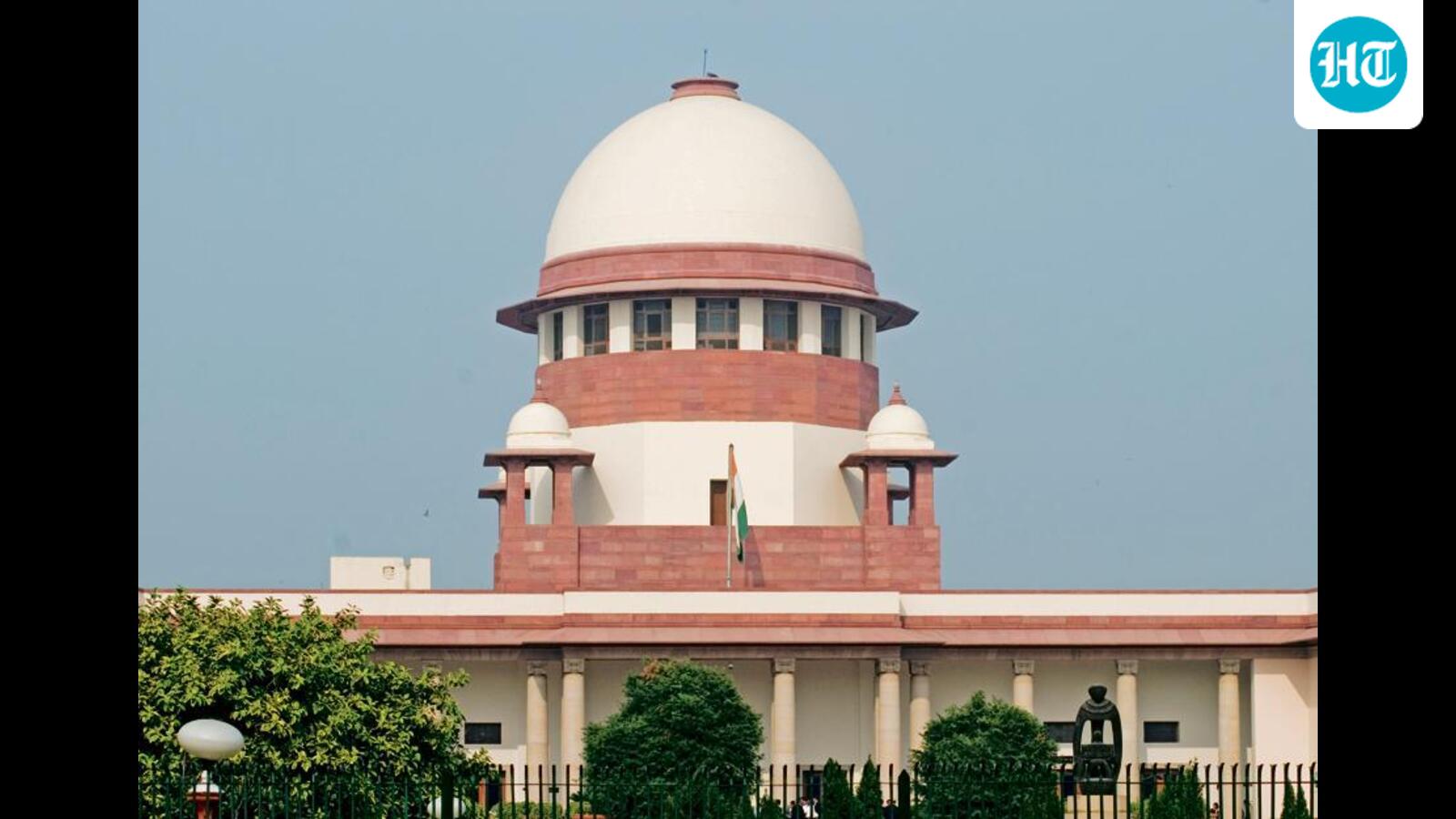
The Supreme Court of India has delivered a scathing verdict against dowry-related cruelty, warning that the practice has led to the commodification of marriage. In a recent case, the court cancelled the bail of a man accused of dowry death and ordered his immediate arrest. The judgment highlights the alarming rise in dowry death cases and emphasizes the need for a firm and deterrent judicial response.
According to the court, the social evil of dowry has become a means to display social status and satisfy material greed, reducing the sacred institution of marriage to a mere commercial transaction. Dowry-driven cruelty or deaths are considered an affront to the collective conscience of society, striking at the root of human dignity and violating constitutional guarantees of equality and life and liberty.
The court cited the case of a woman who died four months after her marriage, allegedly subjected to harassment and cruelty for additional dowry. The prosecution alleged that the woman's family spent over ₹37 lakh at the wedding, only to be met with demands for more dowry. Witnesses testified that the woman had repeatedly confided about physical and mental torture, and the accused was arrested only after 104 days.
The Supreme Court held that the Allahabad High Court failed to consider the statutory presumption under Section 113B of the Evidence Act, which creates a presumption of dowry death once the foundational facts are established. The court observed that the high court order was perverse and unsustainable, ignoring precedent requiring heightened caution in dowry-death bail decisions.
The judgment underscores the need for a firm and deterrent judicial response to dowry-related crimes, warning that judicial leniency emboldens perpetrators and undermines public confidence in the justice system. The court emphasized strict scrutiny in bail matters under sections 304B and 498A of the Indian Penal Code, read with sections 3 and 4 of the Dowry Prohibition Act.