Empowering India's Nari Shakti: Unlocking a Brighter Future for All
Political voice and leadership multiply the impact of every other intervention and give women the power to shape tomorrow’s rules. | India News
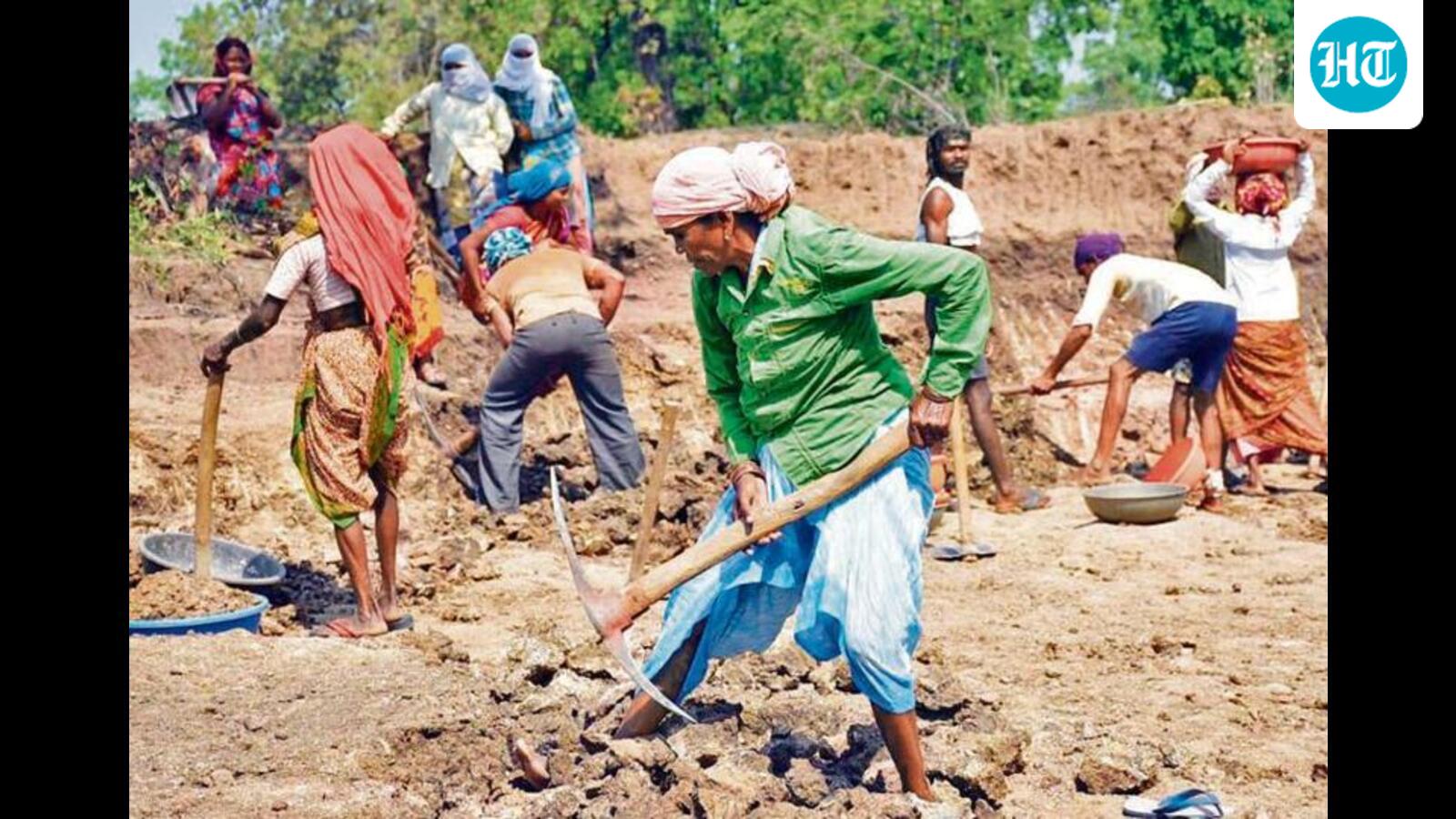
India is at a critical juncture in its journey towards achieving gender equality and women's empowerment. As the country accelerates towards its goal of becoming a $28 trillion economy by 2047, it's imperative that the focus shifts from symbolic reverence to practical power. The concept of Nari Shakti (women's power) must be taken from the realm of tradition to that of development, where women are not just recipients of entitlements but full rights holders and decision-makers.
A McKinsey Global Institute report and analysis of National Family Health Survey data highlight the economic benefits of closing gender gaps, which can add 20-30% to GDP. India's demographic moment presents an opportunity to harness the dividend of a young population, particularly if it becomes a female dividend. With fertility rates declining and girls' and young women's ambitions rising, the country has made significant strides in higher education, with near parity and 43% of STEM students being women.
The government's targeted flagship programmes, combined with transversal initiatives in infrastructure, health, education, and social protection, have lifted women's presence in higher and technical education. Digital missions and rural programmes have empowered tens of millions of women, giving them direct access to information, markets, and services. However, the next level of transformation must move women from being recipients of entitlements to full rights holders and decision-makers.
Intersectionality in India means that many women face multiple layers of disadvantage. The abolition of instant triple talaq has strengthened Muslim women's rights in marriage, and the election of Droupadi Murmu as President of India embodies how far a marginalised woman can rise in a republic. The tomorrow we must build is one in which such trajectories are systemic and widespread rather than exceptional.
Freedom from violence remains the non-negotiable foundation of a gender equal society. Ending violence against women and girls, investing in women's health, and ensuring sexual and reproductive rights must stay at the top of the agenda. Political voice and leadership multiply the impact of every other intervention, giving women the power to shape tomorrow's rules.
Culture is an infrastructure of meaning through which societies understand themselves and imagine their future. Women across creative industries are rewriting the script and reclaiming the Devi idea, expressing reverence as equal rights, respect, and shared responsibility. The next level of transformation must be led from offices, boardrooms, laboratories, and digital platforms, with every institution building gender parity into its DNA.
India's G20 presidency placed women-led development at the centre of the agenda, securing commitments on bridging the digital gender gap, raising women's labour force participation, and expanding women's entrepreneurship and leadership. Empowered women are the great transformers of our age, unlocking demographic advantage and enabling women and girls to live lives of freedom, choice, and dignity. If India sustains and amplifies this movement, its civilisational second coming as a leading power will be fast forwarded by a journey to Viksit Bharat (developed India) by 2047 that is lit and led by Nari Shakti.