
Ethiopian Volcanic Ash Cloud Heads to NW India, Disrupting Flights and Air Quality
The ash plumes from Ethiopia volcanic eruption is expected to enter Gujarat and move towards Rajasthan, Delhi-NCR and Punjab in the next few hours | India News
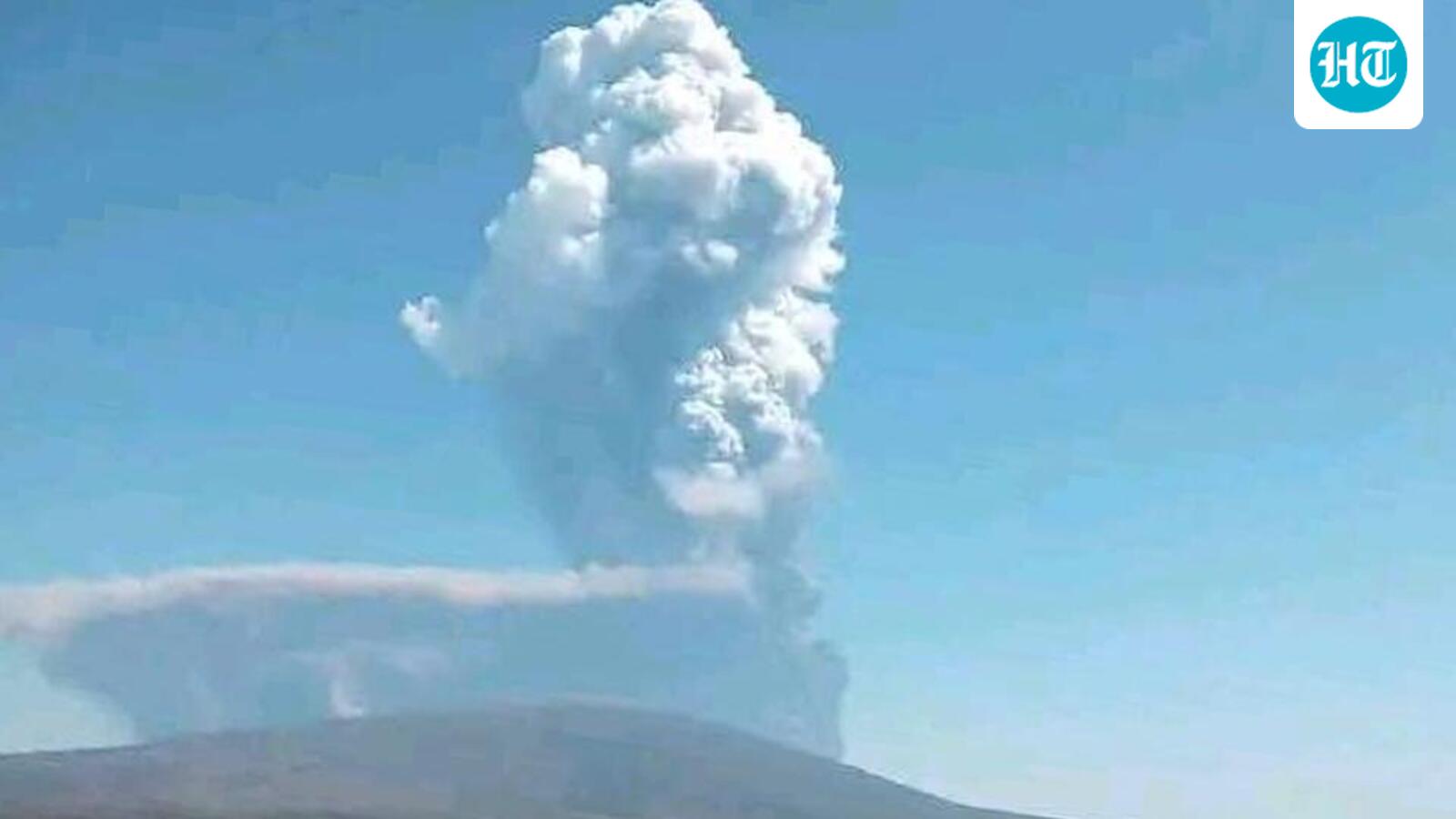
A historic volcanic eruption in Ethiopia's Hayli Gubbi volcano has sent a massive ash cloud hurtling towards northwest India, with meteorological experts warning of significant disruptions to air travel and air quality.
The cloud, which includes volcanic ash, sulphur dioxide, and small particles of rock, is expected to reach Gujarat and Rajasthan by Monday night, before moving towards Delhi-NCR and Punjab in the coming hours. Aircraft operations are already being impacted, with several flights canceled or re-routed due to the ash cloud's presence in Indian airspace.
Airlines, including IndiGo, have begun canceling flights and re-routing them via Pakistan airspace, which is currently closed to Indian airlines. While the impact on flight operations is currently minimal, experts warn that the situation is expected to worsen on Tuesday.
The Indian Meteorological Department (IMD) has confirmed that the ash cloud will primarily impact flights, with temperatures and air quality expected to be affected in the region. The air quality in the National Capital Region (NCR) is already on the brink of 'severe', with Delhi's air quality index (AQI) standing at 382 at 4 pm on Monday.
As the ash cloud approaches, residents in northwest India can expect a hazy, cloudy sky and a marginal rise in temperature. While the impact on air quality is uncertain, experts warn that the already high pollution levels in the region could be exacerbated by the ash cloud.
The IMD has stated that the ash plume is moving rapidly across Central Asia and into India, with a speed of around 100-120km/h. As the cloud continues to move eastwards, residents in cities such as Jodhpur, Delhi, and Jaipur can expect disruptions to air travel and air quality in the coming hours.
The Indian government and aviation authorities are closely monitoring the situation and taking necessary measures to mitigate the impact of the ash cloud on air travel and air quality. As the situation develops, residents in northwest India are advised to stay informed and take necessary precautions to ensure their safety.