
Ethiopian Volcano's Ash Cloud Misses Delhi, But Why?
IMD director general said that since the volcanic ash is being observed only in the upper troposphere, it has no impact on air quality and weather. | India News
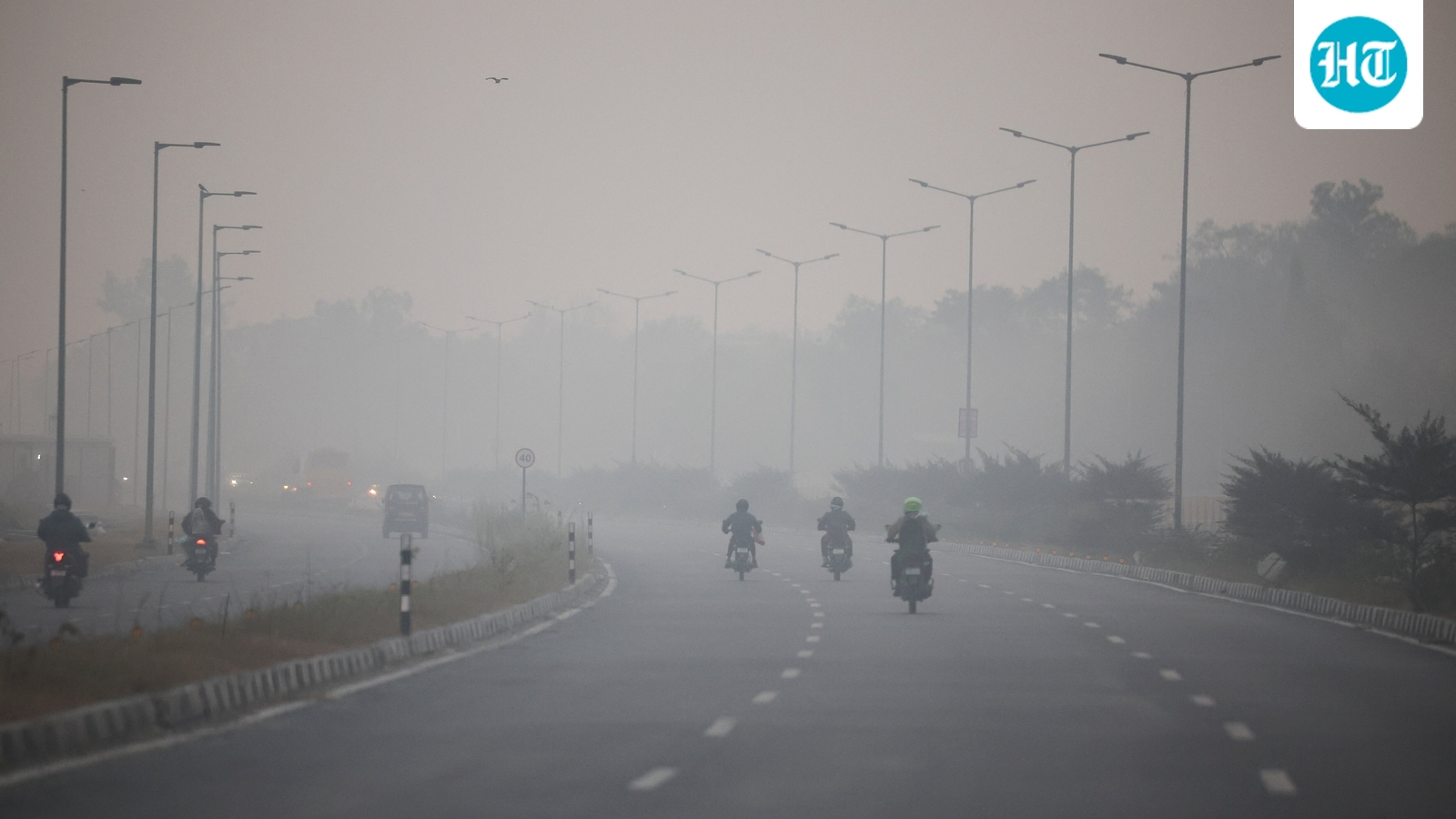
A massive volcanic ash cloud from Ethiopia's Hayli Gubbi volcano, which erupted for the first time in nearly 12,000 years, swept across northwestern India on Monday night. The plume of ash reached Delhi around 11 pm and affected flight operations in several major cities.
According to the India Meteorological Department (IMD), the ash cloud is expected to move towards China by Tuesday evening, leaving India by 7:30 pm local time. Despite its presence, the air quality in Delhi has not been significantly affected.
M. Mohapatra, IMD's director general, attributed the lack of impact on air quality to the ash cloud's position in the upper troposphere. 'It will appear as a hazy, cloudy sky with its impact expected for a few hours, as it continues to move further eastwards,' he said.
Environmental expert Vimlendu Jha agreed, stating that the ash cloud will not immediately impact Delhi's AQI. However, he warned that the clouds are made of sulphur dioxide and glass particles, which could potentially affect air quality if they descend to lower altitudes.
Delhi's air quality remained in the 'very poor' category on Tuesday, with an AQI of 362 at 8 am and 356 at 2 pm, according to the Central Pollution Control Board's (CPCB) Sameer app. The city's AQI is currently not significantly impacted by the Ethiopian volcanic eruption, but residents are advised to continue monitoring the situation.
The IMD estimates that the volcanic ash will completely move towards China by evening, with no significant impact on air quality or weather expected in India. As the situation develops, residents and authorities will continue to monitor the ash cloud's effects on Delhi's air quality.