EU-India Trade Pact: A Beacon of Stability in Turbulent Global Economy
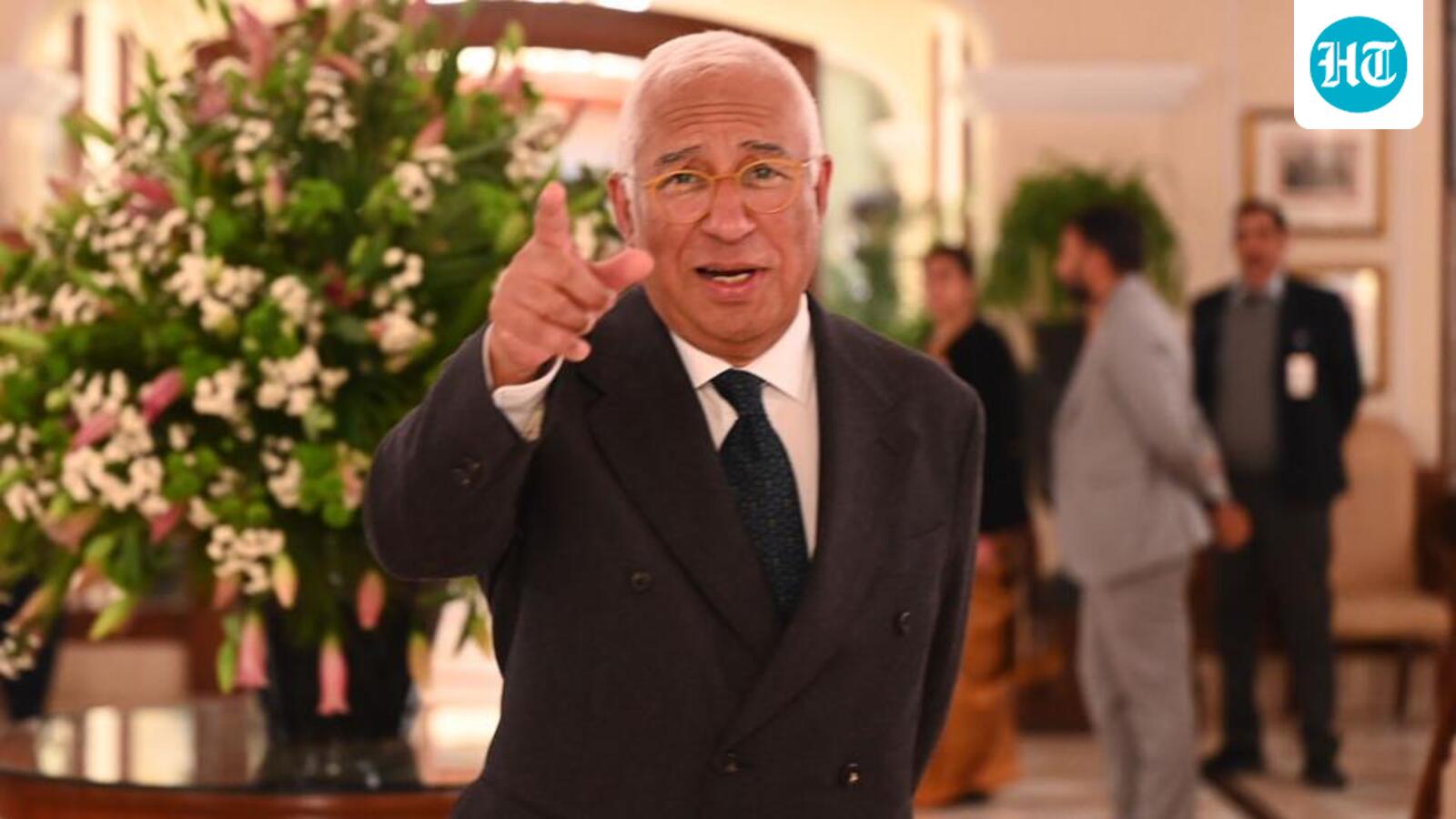
Image Source: Internet
European Council President Antonio Costa has hailed the upcoming EU-India trade pact as a crucial geopolitical stabilizer, capable of providing stability and predictability in an increasingly turbulent global economy. Costa made the remarks during an exclusive interview with HT, shortly after participating in the Republic Day celebrations in New Delhi. The EU president emphasized that the growing security and defense cooperation between the two sides is crucial for preserving security in the Indo-Pacific and ensuring free and open commerce between the region and the Atlantic. Costa noted that the EU has described India as an indispensable partner and expressed confidence that the upcoming 16th India-EU Summit will deliver on key issues, including a trade agreement, security and defense cooperation, and mobility. He highlighted that the trade agreement is a significant geopolitical stabilizer, showcasing how international rules-based trade can be protected. The EU president acknowledged that the trade pact is not just about economics but also sends a strong message to the world that India and the EU believe in trade agreements over tariffs. He emphasized that the agreement is crucial at a time when protectionism is rising, and some countries are increasing tariffs. Costa pointed out that the combined market of 2 billion people, representing a quarter of global GDP, will boost economies, create jobs, and promote prosperity. Costa also emphasized the need for predictability in trade and highlighted the EU's efforts to weave a network of trade agreements, with 78 agreements around the world. He expressed hope that the EU will conclude the political negotiations on the trade agreement with India, which he described as the most important trade agreement ever signed by the EU. The EU president noted that India and the EU are two important poles in the emerging multipolar world, working together on trade, security, and defense to protect international norms and the rule of law. He emphasized the need to respect the UN Charter and support multilateralism, which is essential in this multipolar world. Costa highlighted the security and defense partnership between the two sides, which has different dimensions, including cooperation on cyber threats, counter-terrorism, and maritime security. He noted that the EU is working with India in Operation Aspides in the Red Sea and Operation Atalanta in the Mediterranean, which is crucial for security in the Indo-Pacific and preserving free and open trade. The EU president also spoke about the future of Europe's partnership with the US and the role of India in this scenario, particularly in defense industry cooperation. He emphasized the need to preserve NATO and increase burden sharing, while also diversifying suppliers and investing in European defense capabilities. Costa acknowledged the divergences between the EU and India on Russia's war in Ukraine, but expressed hope that the EU can help India diversify its energy sourcing. He noted that the EU has reduced its purchases from Russia by 74% and is working with India to increase its capacity to produce its own energy and promote the use of renewable energy. Finally, Costa expressed his optimism about the future of India-EU relations and emphasized the importance of upholding the principles of the UN Charter, condemning those who violate them, and supporting those who suffer from these violations.