EU, India Unite to Secure Undersea Cables Against Rising Threats
Seventy participants from India, the EU and Indian Ocean countries will discuss ways to secure critical submarine infrastructure, with the focus on undersea cables | India News
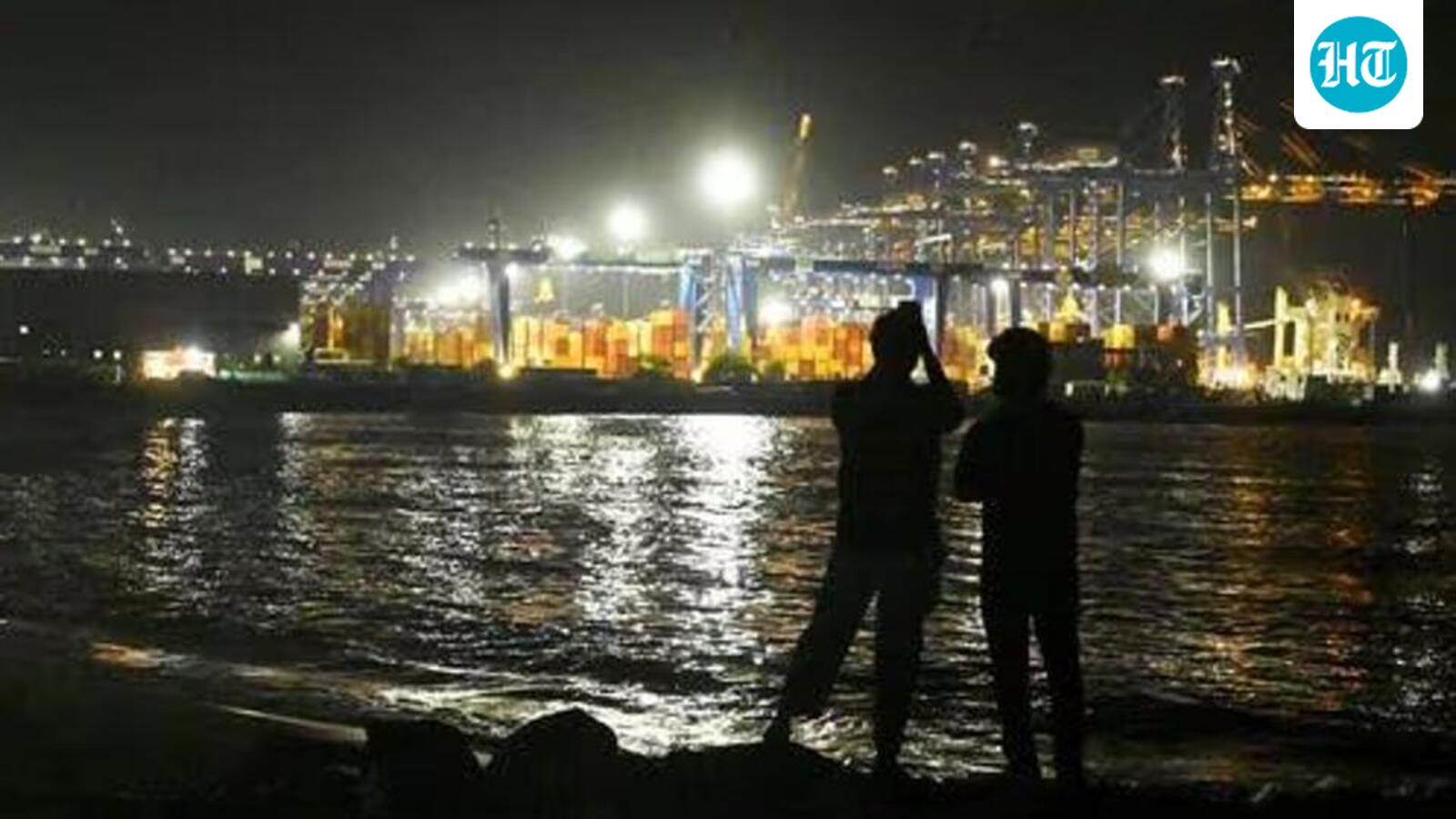
In a major maritime security collaboration, India and the European Union (EU) will co-host a workshop in New Delhi on Friday to safeguard critical undersea cables that are vulnerable to intentional damage and malign activities. The event will bring together 70 experts from India, the EU, and key Indian Ocean countries to discuss ways to secure these vital infrastructure, which carries 99% of global internet traffic and is essential for commerce and digital growth.
The 'track 1.5 seminar' aims to strengthen maritime cooperation between India, the EU, and the Indo-Pacific region by identifying risks, sharing best practices, and driving practical solutions. Representatives from Madagascar, the Maldives, Mauritius, Oman, and the Seychelles will participate, given their proximity to strategically important undersea cables.
The workshop, organized by India's National Maritime Foundation and the EU, comes at a time when undersea cables are unprotected on the ocean floor, difficult to monitor, and exposed to threats. The EU Ambassador Hervé Delphin emphasized the need for comprehensive maritime security, stating that cooperation in the maritime domain is a key component of the strategic EU-India agenda.
The EU Action Plan on Cable Security provides a framework for strengthening the security of undersea cable infrastructure and can serve as a basis for developing further cooperation with international partners like India. Vice Admiral (retired) Pradeep Chauhan, director general of the National Maritime Foundation, highlighted the importance of regional maritime action in securing undersea infrastructure, which is critical for economic security and sovereignty.
Protecting undersea infrastructure requires enhanced surveillance and monitoring systems, as well as strategic coordination between governments, private operators, and international partners to ensure a rapid response. The EU and India's joint effort aims to address these challenges and promote regional maritime cooperation to secure the critical undersea cables that are the backbone of global communication and commerce.