Fandoms Take Center Stage: 'Parasocial' Named Cambridge Dictionary's Word of 2025
The word itself is not new. It’s been around since 1956, though it was coined for people’s relationship with a different kind of screen.  | India News
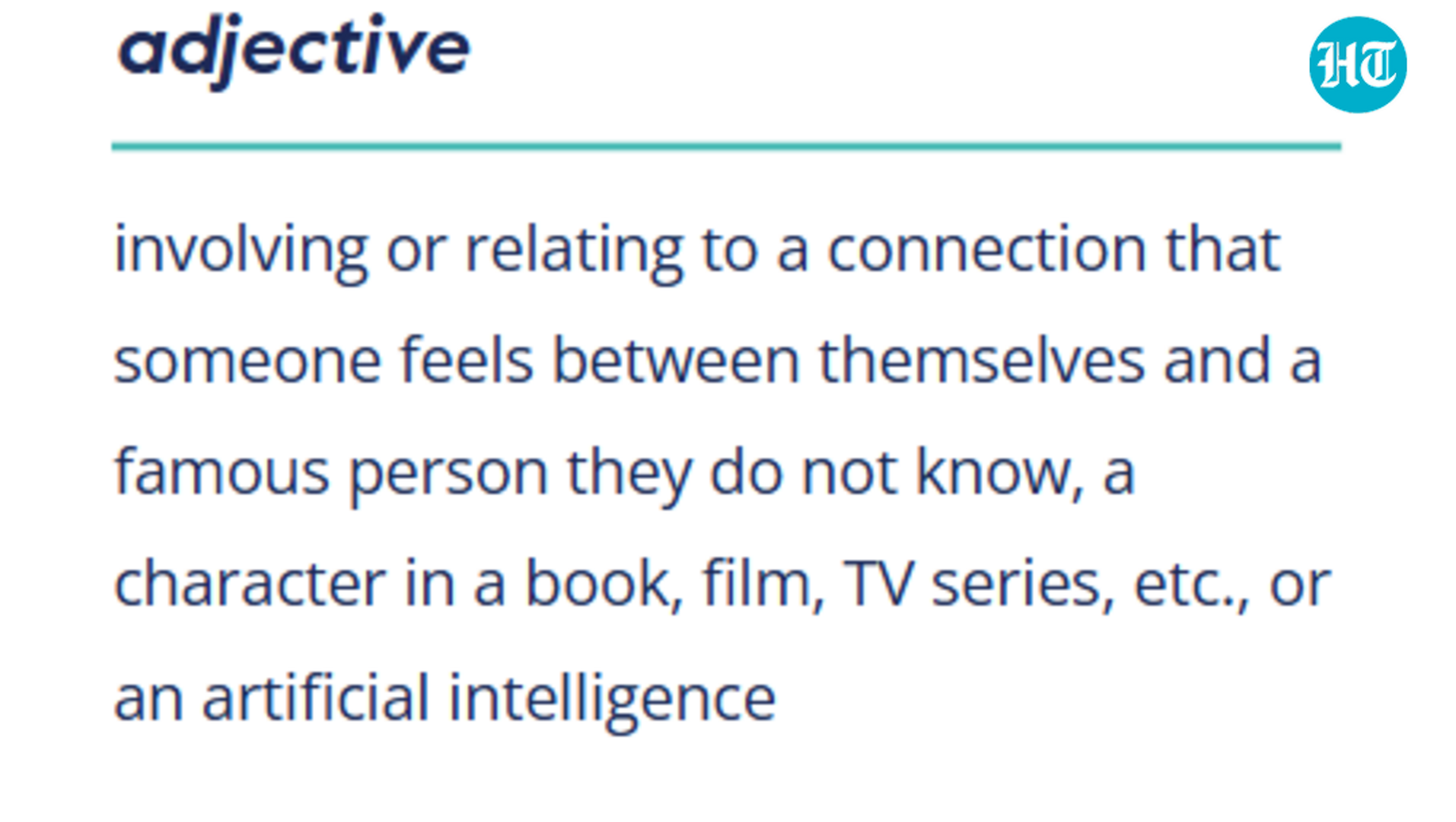
Cambridge Dictionary has crowned 'Parasocial' as its Word of the Year for 2025. This phenomenon refers to the intense emotional connection people feel towards celebrities, fictional characters, or even artificial intelligence, despite having no direct relationship with them. The term has been around since 1956 but has gained traction in recent years, particularly on social media.
The rise of parasocial connections can be attributed to the active engagement of fans through likes, shares, comments, and purchases of celebrity merchandise. Gone are the days of passive fandom; today's superfans are driven by a sense of belonging and loyalty. In Japan, these enthusiasts are known as Otaku, while in Korea, they're called Sasaeng. The term 'Parasocial' has become a mainstream expression to describe this modern obsession.
Dictionary searches for 'Parasocial' skyrocketed in June after YouTube streamer IShowSpeed blocked an overzealous fan who claimed to be his 'number 1 parasocial'. The term continued to trend in August following news of Taylor Swift's engagement and again last week after an Australian fan, Johnson Wen, was sentenced to jail for harassing Ariana Grande at a movie premiere in Singapore.
Fandom has become a powerful force, bringing both joy and despair to fans worldwide. Indians celebrated their women's cricket team victory with parasocial enthusiasm, while mourning the loss of Bollywood actors Satish Shah and Asrani. The phenomenon highlights the blurred lines between online and offline relationships in the digital age.
Other notable terms that made it to Cambridge Dictionary's list this year include Slop, referring to lowbrow content, and Memeify, which involves turning an event or person into a meme. Dictionary.com's Word of the Year, however, is a number: 67, a term that has left grown-ups puzzled.
The trend of new terms emerging each year is a reflection of our increasing dependence on the internet and the need to make sense of our online experiences. As we navigate the complexities of digital relationships, it's clear that the language we use to describe them will continue to evolve.