
Goa Tiger Reserve Plan Unveiled: Supreme Court Panel Recommends Two-Phase Notification
The Supreme Court formed the Central Empowered Committee (CEC) after Goa challenged a July 2023 high court order to notify a tiger reserve | India News
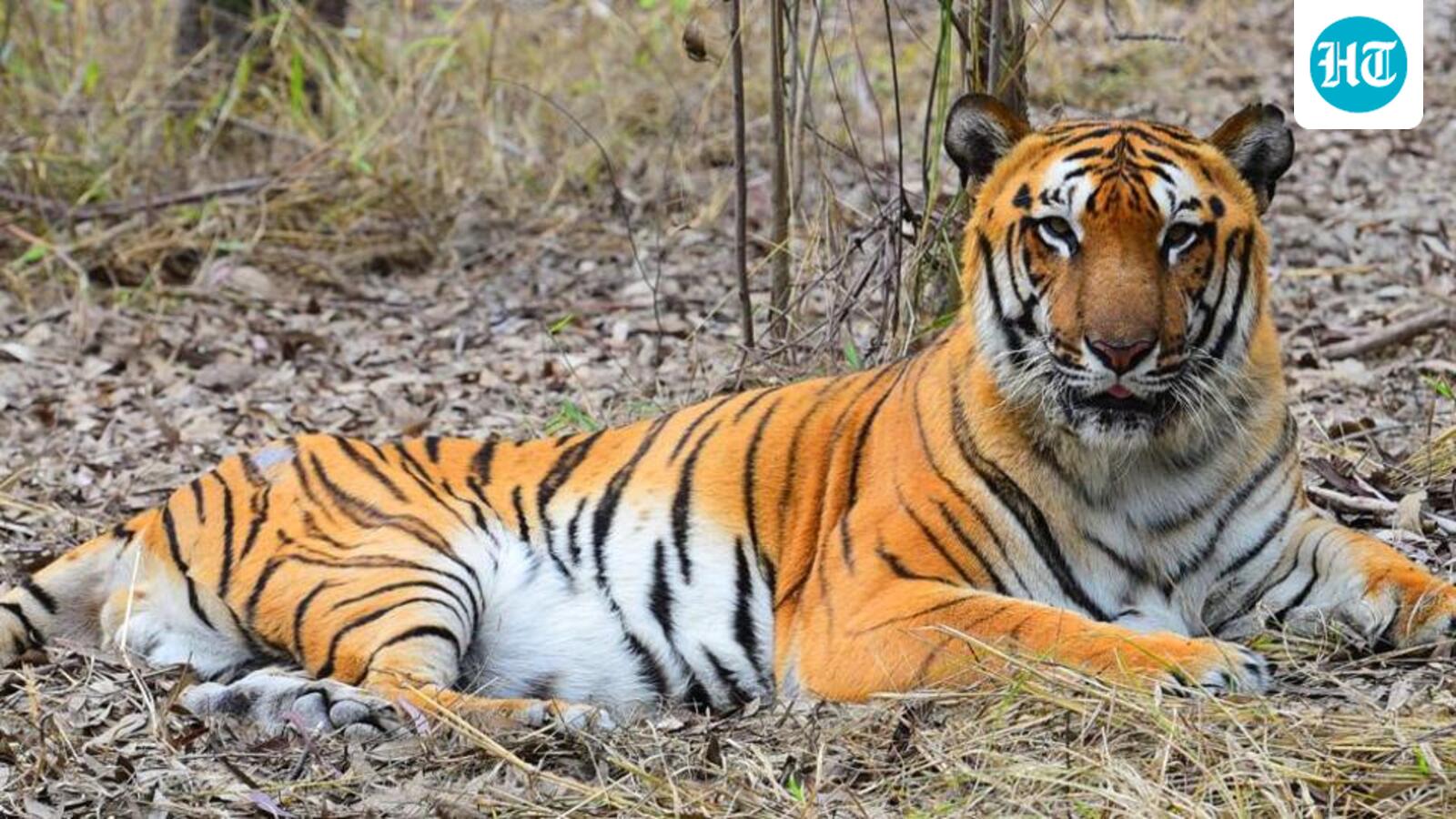
A Supreme Court-appointed panel has presented a comprehensive plan for a tiger reserve in Goa, recommending a two-phase notification process. The Central Empowered Committee (CEC) proposed that areas contiguous with Karnataka's Kali Tiger Reserve be designated as the core area first. This includes approximately 468.6 square kilometers of the Cotigao and Netravali Wildlife Sanctuaries.
The CEC's report, submitted to the Supreme Court, suggests that the Bhagwan Mahavir Wildlife Sanctuary (64.9 square kilometers) and Bhagwan Mahavir National Park (107 square kilometers) be notified as a buffer area. However, protected areas with significantly higher numbers of households, such as the southern part of Bhagwan Mahavir Wildlife Sanctuary and Mhadei Wildlife Sanctuary, may be excluded in the first phase.
The committee emphasized the need for community consultations, awareness-building, and confidence-generation measures to ensure the long-term success and sustainability of tiger conservation efforts. The CEC recommended that the government initiate the process of notification within the next three months and prepare a Tiger Conservation Plan in consultation with the National Tiger Conservation Authority (NTCA).
Goa Foundation's Claude Alvares welcomed the panel's recommendations, which contradict the state government's opposition to a tiger reserve. The government had argued that the area proposed for the reserve has a huge population of inhabitants, which would be unwilling to relocate. However, the CEC's report cites public apprehension regarding displacement and land acquisition, and emphasizes the importance of securing informed cooperation and confidence from local communities.
The plan builds on previous recommendations made by the NTCA in 2020, 2016, and 2011, which suggested a tiger sanctuary at the Mhadei Wildlife Sanctuary following the deaths of four tigers in 2019. The proposed Goa Tiger Reserve aims to function as an ecologically integrated and viable landscape, forming an integral part of the larger Kali-Goa conservation complex.