Govt Reviews Social Security Rules for Gig Workers Amid Calls for Reform
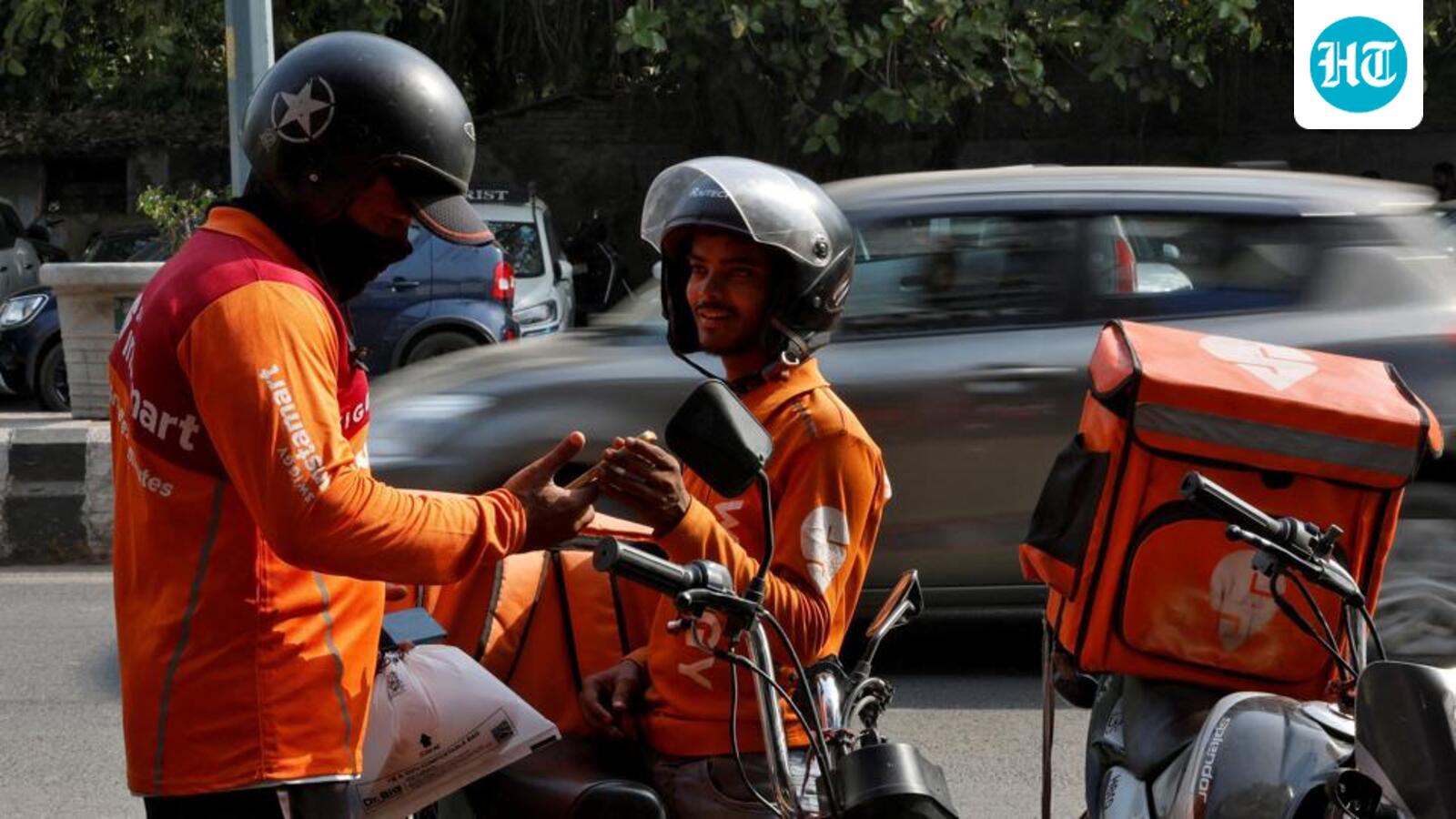
Image Source: Internet
The Indian government is reassessing its draft rules for social security benefits for gig workers, which could lead to changes in the eligibility criteria. The current rules require platform workers to work for at least 90 days or 120 days for those working on multiple platforms to be eligible for benefits like health and accident insurance. However, workers' unions argue that these thresholds are too high and could leave many gig workers without access to these essential benefits. They have called for reducing the threshold to 60 days, citing the reality of gig work patterns. Labor Minister Mansukh Mandaviya has also intervened, urging rapid-delivery platforms to ease work pressure on delivery partners by not promising 10-minute delivery as a standard practice. The government has announced that it will ensure all gig workers are covered and is examining suggestions to change the eligibility criteria if necessary. The Social Security Code 2020 aims to provide social security benefits to gig workers for the first time, and the government is working to address the challenges of the gig economy. Gig workers' unions have called for a flash strike on New Year's Eve, highlighting the poor work conditions and low wages faced by many in the industry. A prominent union leader said that the current rules would leave most gig workers without access to social security benefits. The draft rules also raise concerns about how aggregator firms will calculate their contributions towards a social security fund when gig workers shift between platforms. Labor activists have called for clarity on this issue to ensure that gig workers receive the benefits they deserve. The government has the power to frame welfare schemes for gig and platform workers under Section 114 of the Code on Social Security, 2020, which includes benefits like life and disability insurance, health, maternity, and old-age support. The rules require aggregators to share details of gig workers on a designated portal and contribute to a social security fund.