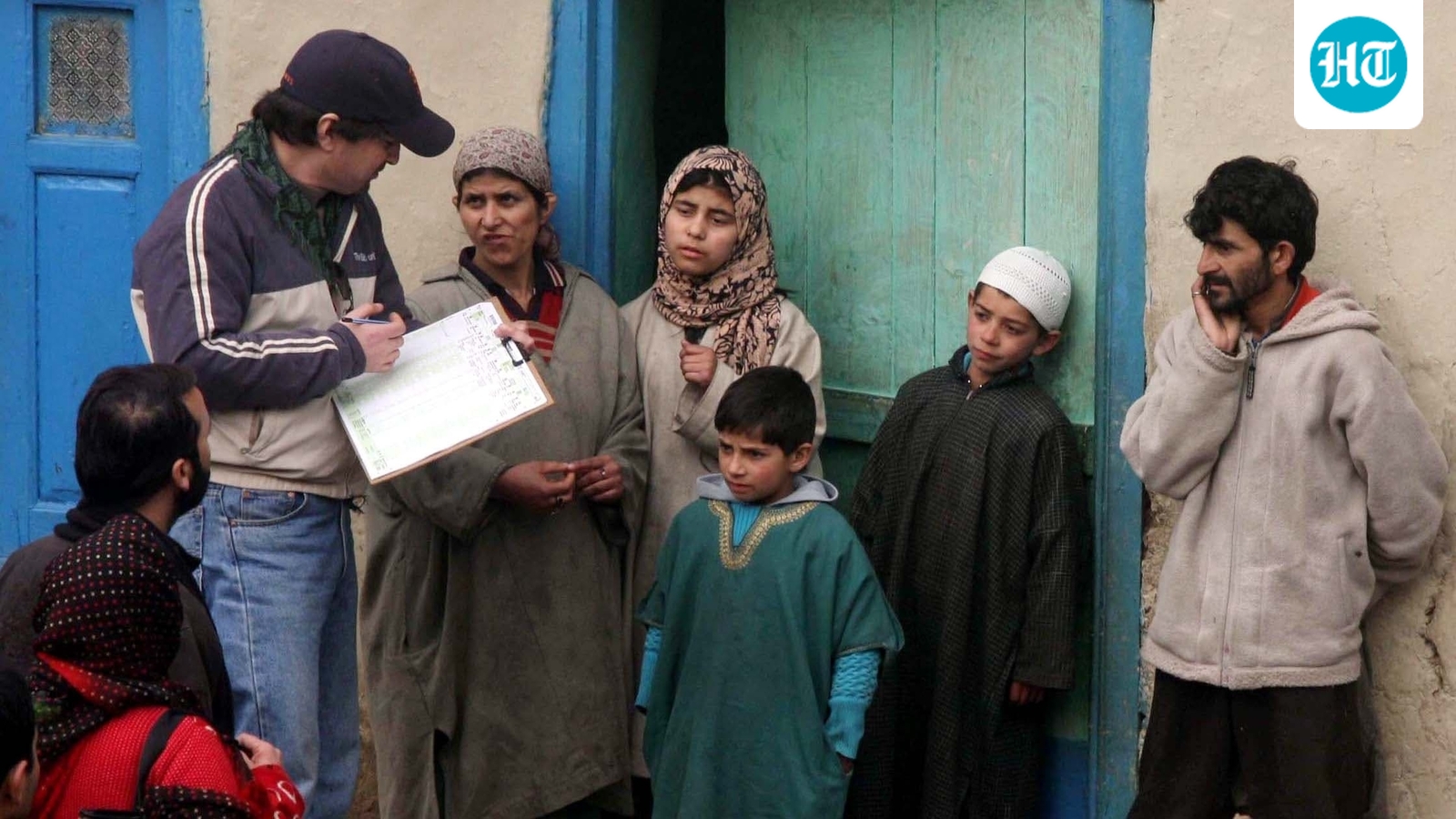
Heating Bills to Plunge, AC Demand to Soar as Global Warming Widens the Rich-Poor Divide

Image Source: Internet
A stark new reality is emerging as the world warms: wealthy nations in colder climates will enjoy plummeting heating bills, while poorer countries in warmer regions face a massive surge in air conditioning demand. According to a recent study published in Nature Sustainability, countries like Canada, Russia, and Norway will see a significant decline in heating needs as temperatures rise. In contrast, nations like India, Nigeria, and Indonesia will bear the brunt of soaring cooling needs, with a 13.4% increase in cooling degree days projected for India alone. The economic implications are far-reaching: while wealthy nations save on energy bills, developing countries will face massive infrastructure costs to install cooling systems, expand electricity grids, and power air conditioners in regions where many lack reliable power. Associate Professor Radhika Khosla calls the findings a 'wake-up call,' warning that overshooting the 1.5°C warming threshold will have devastating impacts on education, health, migration, and farming. The study reveals that the warming rate is not linear, with cooling needs changing faster this decade as the world approaches 1.5°C of global temperature rise. By 2050, nearly 3.8 billion people – almost half the world's population – will live in extreme heat regions, defined as areas with more than 3,000 cooling degree days. The Central African Republic, Nigeria, and South Sudan are already experiencing the most significant increases in dangerously hot temperatures. The study's lead author, Jesus Lizana, emphasizes the need for early adaptation measures to mitigate the effects of global warming. 'Our study shows that most of the changes in cooling and heating demand occur before reaching the 1.5°C threshold,' he says. 'For example, many homes may need air conditioning installed in the next five years, but temperatures will continue to rise long after that if we hit 2.0°C of global warming.' Net zero sustainable development remains the only established path to reversing this trend, according to experts. With the population living in extreme heat regions projected to increase from 23% in 2010 to 41% by 2050, the need for urgent action has never been more pressing.