IITs Break Barriers: How a 2018 Scheme Boosted Female Enrolment by 20%
Data-driven study finds Supernumerary Seats Scheme has doubled women’s presence in IIT BTech programmes, widened access for SC/ST women, shifted branch choices | India News
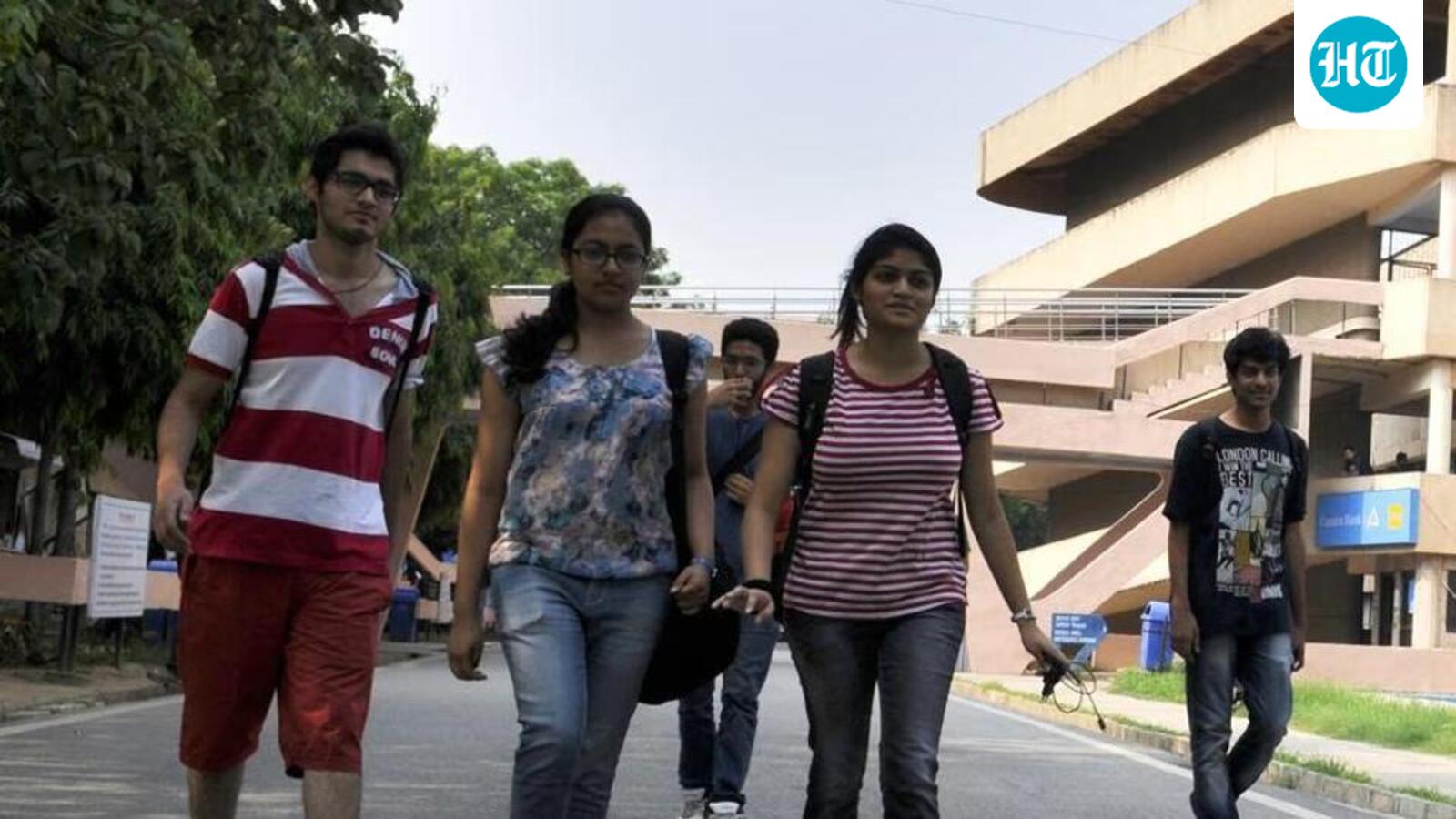
A groundbreaking study published in the Higher Education journal has revealed the remarkable success of the Supernumerary Seats Scheme (SSS) introduced in 2018 to increase female representation in IITs. The scheme, which adds 20% extra seats for female students, has led to a significant boost in female enrolment, with the number of girls allotted BTech seats in IITs nearly reaching 20% by 2020.
According to the study, which is the first rigorous evaluation of the scheme, the policy has prompted high-ranking female candidates to opt for competitive, male-dominated engineering branches. The study also found that the scheme has increased the representation of Scheduled Caste and Scheduled Tribe (SC/ST) women in IITs.
The SSS operates differently from traditional caste-based reservation systems, where the extent of affirmative action varies across branches. The scheme adds extra seats only for girls, increasing total capacity without reducing seats for boys. For instance, a programme with 100 seats might add 20 female-only seats, raising the total to 120.
While most IITs have achieved the 20% target, IIT Kharagpur remains an exception, with female enrolment still below the benchmark in 2024. The study suggests that the institute's remote location may discourage women from choosing it despite strong JEE performance among female candidates in the Kharagpur zone.
The authors recommend stronger official communication about SSS's success, more support systems to help beneficiaries thrive, and public clarification that SSS does not reduce male seats. They also highlight the scheme's intersectional benefit, which has increased the representation of women from disadvantaged caste groups.
The study found a shift in female preferences post-2018, with high-ranking girls now more likely to opt for traditionally male-dominated programs. Echoing the impact, a third-year BTech student at IIT (ISM) Dhanbad said, "SSS is very helpful in motivating females to aim for studying engineering in IITs.