India and Bangladesh Start Critical Water Pact Renewal Amid Strained Ties
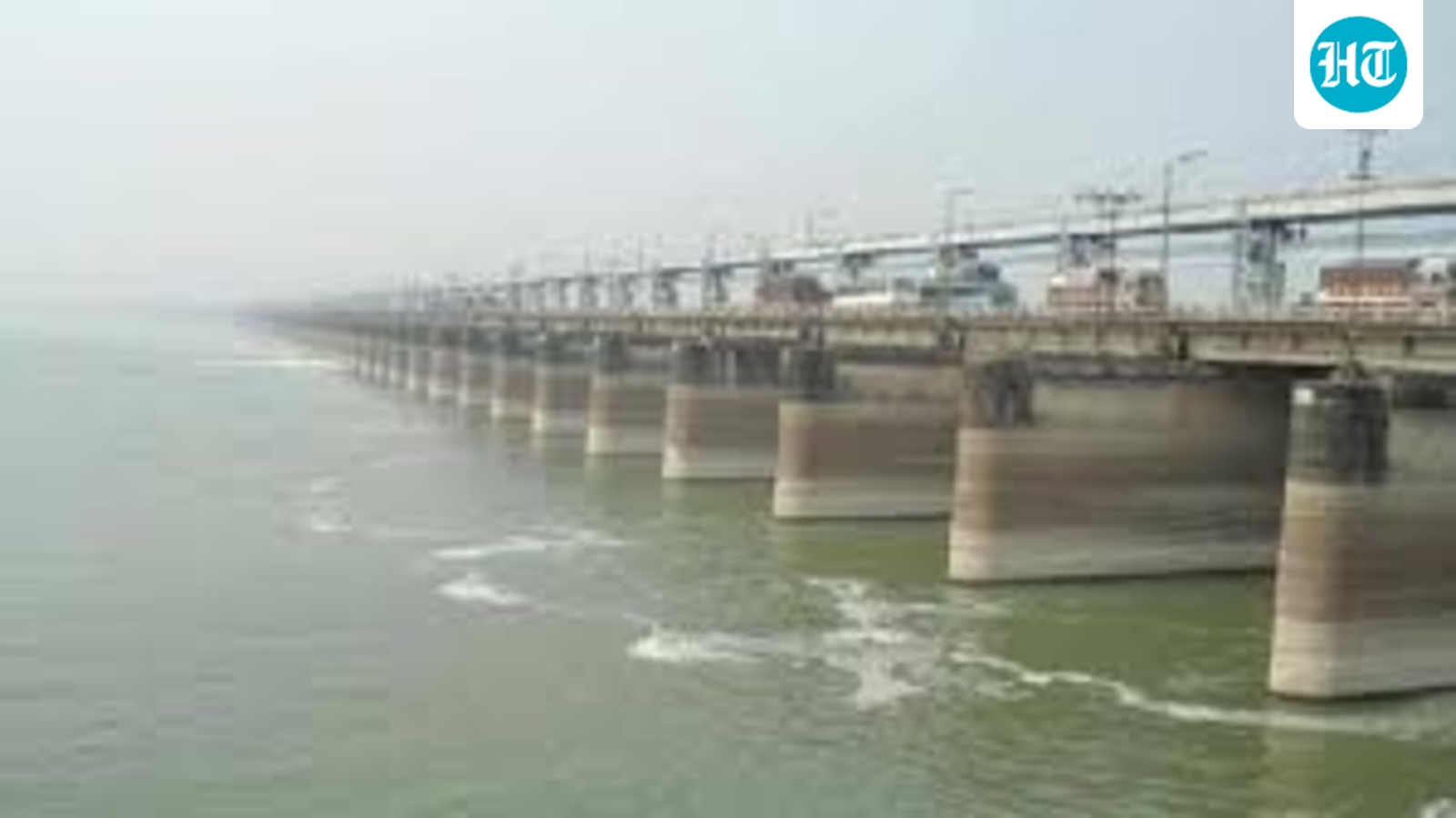
Image Source: Internet
India and Bangladesh have initiated a crucial assessment process to renew their 30-year-old water sharing treaty, which governs the flow of the Ganges River. The treaty, signed in 1996, is set to expire, and the renewal process comes at a delicate time in bilateral relations, strained since the fall of former Prime Minister Sheikh Hasina. A two-member Indian team and a four-member Bangladeshi delegation are collecting hydrological data to determine water flows at critical points along the Ganges. The assessments, which will continue until May 31, are essential to decide the contours of a potential new treaty. India's Jal Shakti ministry is also examining inputs from states, particularly Bihar and West Bengal, on local conditions and water requirements. The existing treaty, signed between India's H.D. Deve Gowda and Bangladesh's Sheikh Hasina in 1996, ensured Bangladesh recognized the Farakka barrage, a dam that diverts water from the Ganges to the Hooghly river. The renewal of the treaty is critical, as Bangladesh has criticized India's decision to shelter Hasina, while India has accused the interim government of failing to protect Hindus. Under the current treaty, India and Bangladesh share the Ganges water at Farakka, with varying allocations based on the river's flow. The renewal process will determine the future water sharing arrangement, which could have significant implications for Bihar, a key state that relies heavily on the Ganges for drinking water and industrial needs. Bihar has requested 2000 cusecs of water under the proposed new treaty, but a recommended allocation of 900 cusecs has been suggested for the state during the lean season. The state's chief minister, Nitish Kumar, has sought desiltation of the Farakka barrage to mitigate the perennial problem of floods in Bihar. The technical visits will continue every 10-12 days until the end of May, and both countries are cooperating in the assessment process. The findings will be crucial in determining the contours of a potential new treaty, which will shape the future of water sharing between India and Bangladesh.