India Considers Alternatives to Hanging as Supreme Court Monitors Progress
The Union government is exploring more humane execution methods than hanging, with a decision pending. A detailed hearing is set for January 21, 2026. | India News
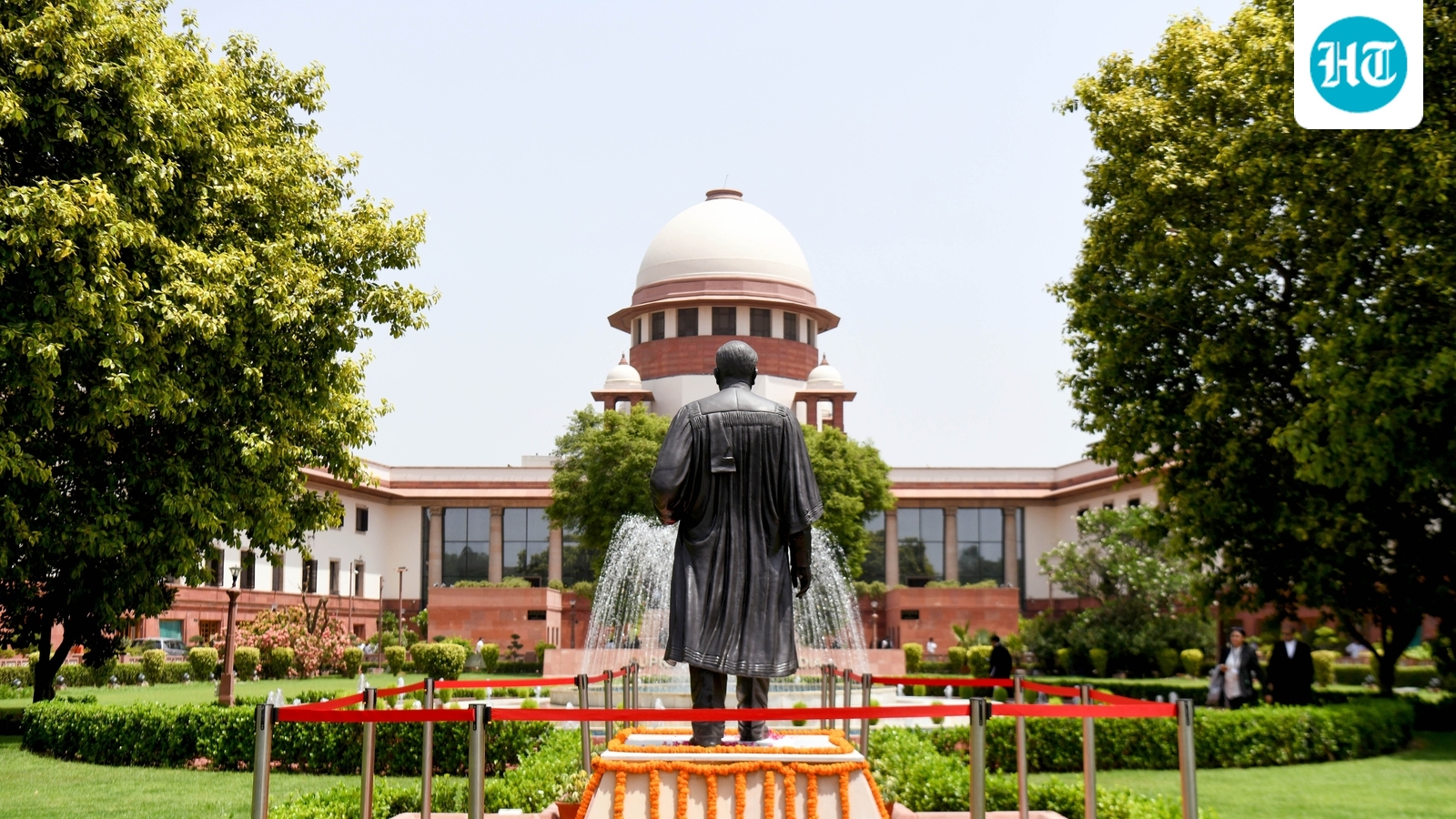
The Indian government has informed the Supreme Court that it is exploring alternative methods of execution, potentially replacing hanging. Attorney General R Venkataramani told the court that deliberations are underway, but no decision has been made. The Centre is seeking more time to present a concrete position.
The development comes in response to a petition filed by senior advocate Rishi Malhotra, who has challenged the constitutionality of execution by hanging. Malhotra has argued that the method is archaic and causes prolonged suffering, violating the right to life with dignity under Article 21 of the Constitution.
The court has taken cognizance of the evolving global practices and has suggested that the Centre consider whether a condemned prisoner may be permitted to choose the mode of execution. In its earlier affidavit, the government maintained that hanging is the safest and quickest method, but acknowledged that it is open to reviewing the existing system.
A committee is being formed to study alternative methods of execution, including lethal injection. The Supreme Court has adjourned the matter to January 21, 2026, for a detailed hearing. Malhotra's petition has argued that more than 40 countries have adopted modern and humane modes of execution, and it is time for India to follow suit.
The Centre's decision to explore alternatives to hanging is a significant development, and the Supreme Court's scrutiny is expected to lead to a more nuanced discussion on the death penalty and its implementation in India.