India, EU Seal Historic Free Trade Deal; Boosts Economic Ties
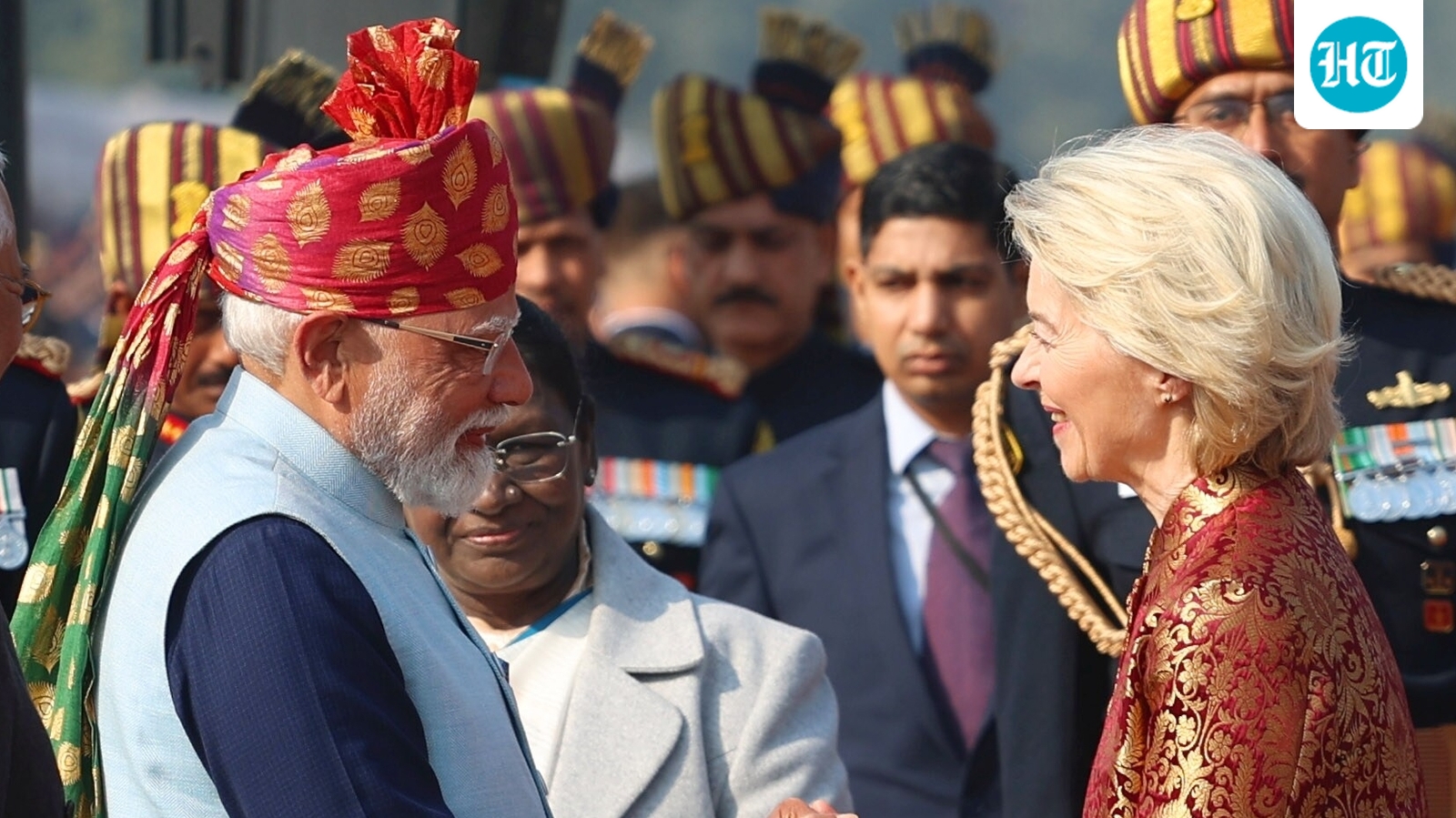
Image Source: Internet
India and the European Union have finalized negotiations for a historic Free Trade Agreement, marking a significant milestone in their economic integration. The deal, set to take effect next year, aims to improve trade and investment opportunities for both parties. According to Commerce Secretary Rajesh Agrawal, the agreement has been finalized after intense negotiations, with the EU pushing for reduced import duties on Indian goods. Agrawal confirmed that the deal will come into force sometime next year, following a 5-6 month 'legal scrubbing' period and formal signing. The EU delegation, led by President Ursula von der Leyen and European Council President Antonio Costa, is in New Delhi to participate in the 77th Republic Day and the 16th India-EU Summit. Prime Minister Narendra Modi welcomed the EU leaders, highlighting the growing strength of their partnership. The EU has described the agreement as the 'mother of all deals', which could significantly open the Indian market to European firms. European Union Trade Commissioner Marcos Sefcovic emphasized that the deal would create a free trade area encompassing 2 billion people, lifting many Indian customs duties on European goods. The agreement was fast-tracked after PM Modi and President von der Leyen agreed to expedite negotiations last year. The EU had been pushing for sharp cuts in India's import duties on cars, while India sought to reduce trade curbs on its steel exports. The deal excludes sensitive farm and dairy items, with New Delhi maintaining the need to protect its farmers. The agreement is seen as a strategic move by the EU to diversify its trade ties beyond the US and China, while Indian officials have signaled willingness to open markets to foreign investment and goods in key areas. Vice-President of the European Commission, Kaja Kallas, highlighted the strong momentum in EU-India relations, spanning trade, security, and defence cooperation. The deal is expected to boost trade and investment opportunities for both parties, marking a significant step forward in their economic ties.