India Introduces Sweeping Labour Reforms, Boosting Worker Rights and Employers' Flexibility
New labour codes: The new labour codes reduce gratuity eligibility for fixed-term employees to one year, ensure minimum wage for all. | India News
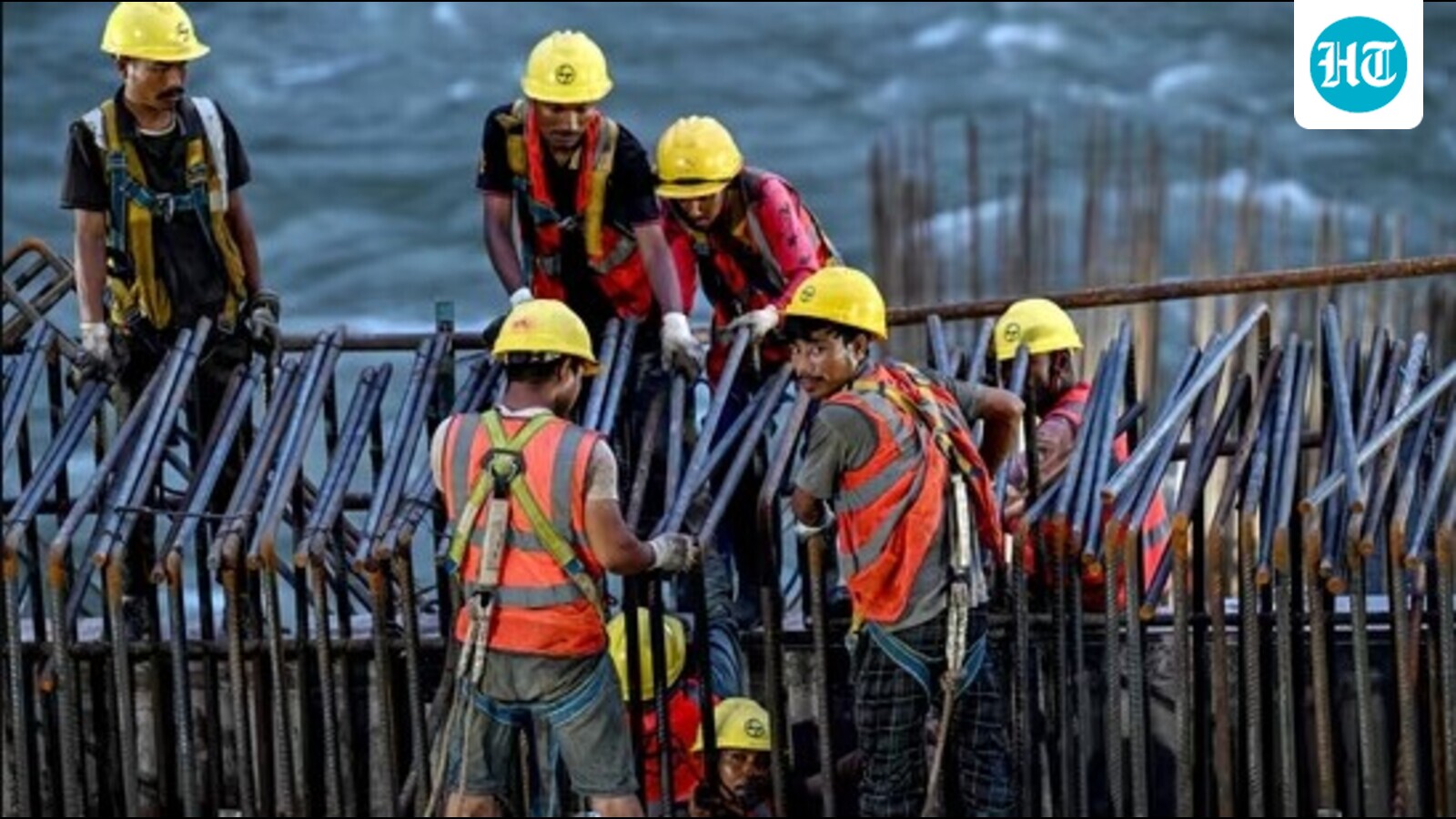
India's labour landscape has undergone a significant transformation with the implementation of four landmark labour codes. As of Friday, these codes aim to modernize the country's workforce, offering enhanced benefits to employees while granting employers greater flexibility.
The new codes bring about several key changes, including the introduction of a national minimum wage applicable to all workers, as opposed to a limited set of scheduled industries. Additionally, fixed-term employees will now be eligible for gratuity payments after one year of continuous service, a reduction from the previous five-year requirement.
The codes also redefine gig and platform work, providing a clear definition for the first time. According to the Code on Social Security, 2020, a gig worker is an individual who participates in a work arrangement outside of a traditional employer-employee relationship and earns income from such activities.
One of the notable provisions requires employers to offer free annual medical check-ups to workers above the age of 40, emphasizing preventive healthcare. Moreover, all companies must provide a written appointment letter to new hires, and fixed-term employees will enjoy the same benefits as permanent staff, including leave, working hours, and medical benefits.
The codes also bring about reforms in salary payment, mandating companies to pay their workers on time, with IT firms required to release salaries by the 7th of every month. Furthermore, the new provisions allow women to work night shifts and enter industries previously restricted due to safety concerns, subject to their consent and necessary safety measures.
The labour minister, Mansukh Mandaviya, hailed the codes as a step towards promoting employment opportunities for women and ensuring gender neutrality. The codes also make enrolment in the Employees' State Insurance Corporation compulsory for establishments with even a single employee engaged in hazardous processes, providing nationwide coverage instead of limited regions.
These sweeping reforms are expected to have a profound impact on India's workforce, striking a balance between enhancing worker rights and granting employers greater flexibility.