India Launches Ambitious Plan to Eradicate Legacy Waste Dumps by 2026
Manohar Lal Khattar, who adopted the site on September 17 to monitor the work, said 4.79 lakh tonnes of waste were remediated between September 17 and November 6 | India News
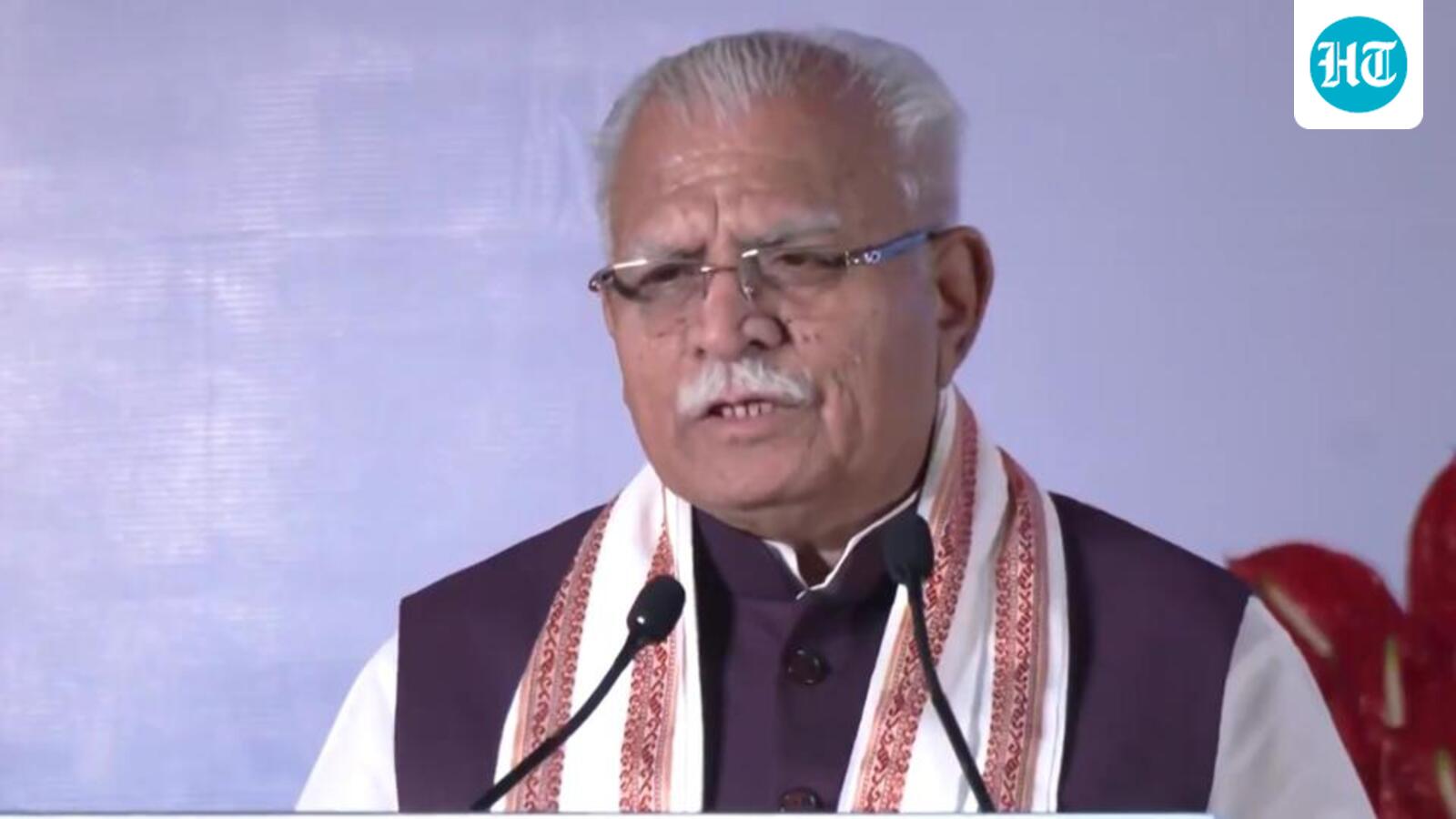
In a major push to tackle India's waste management crisis, Union Minister Manohar Lal Khattar unveiled the Dumpsite Remediation Accelerator Programme (DRAP) on Saturday, aiming to clear over 245 legacy waste dump sites across the country by 2026. The programme, backed by a ₹3,000 crore fund, will focus on high-load locations that account for nearly 80% of India's remaining legacy waste.
The Delhi government's Bhalswa landfill, one of the largest sites, has already shown promising results. With Khattar's personal oversight, the site has seen the remediation of 4.79 lakh tonnes of waste between September 17 and November 6. The project is expected to clear 40 lakh cubic metres of waste by October 2026, unlocking 70 acres of urban land.
Khattar emphasized the need for stronger political oversight and faster problem-solving at the local level. He urged local leaders to adopt dump sites and leverage Corporate Social Responsibility (CSR) funds, private organizations, and state agencies to support remediation.
DRAP will operate under the 5P framework of political leadership, public finance, public advocacy, project management, and partnerships. Cities will be required to prepare micro-action plans, with progress tracked in real time through the DRAP portal. Larger dump sites, such as Ghazipur and Deonar, will receive priority attention due to their scale and local constraints.
The Ministry of Housing and Urban Affairs also launched the Urban Investment Window (UWIN), a new mechanism to provide faster and larger capital for urban infrastructure development. UWIN will help states and city corporations access municipal bonds, concessional multilateral financing, and connect with domestic and global investors.
The estimated ₹70,000 crore requirement for urban development till 2047 highlights the need for a structured financing support system. With DRAP and UWIN, India is taking a significant step towards eradicating legacy waste dumps and promoting sustainable urban development.