
India's Climate Leadership Shines at COP30: A New Era of Multilateralism and Accountability
Union environment minister Bhupender Yadav said COP30 restored faith in multilateralism as developing countries see a structured process | India News
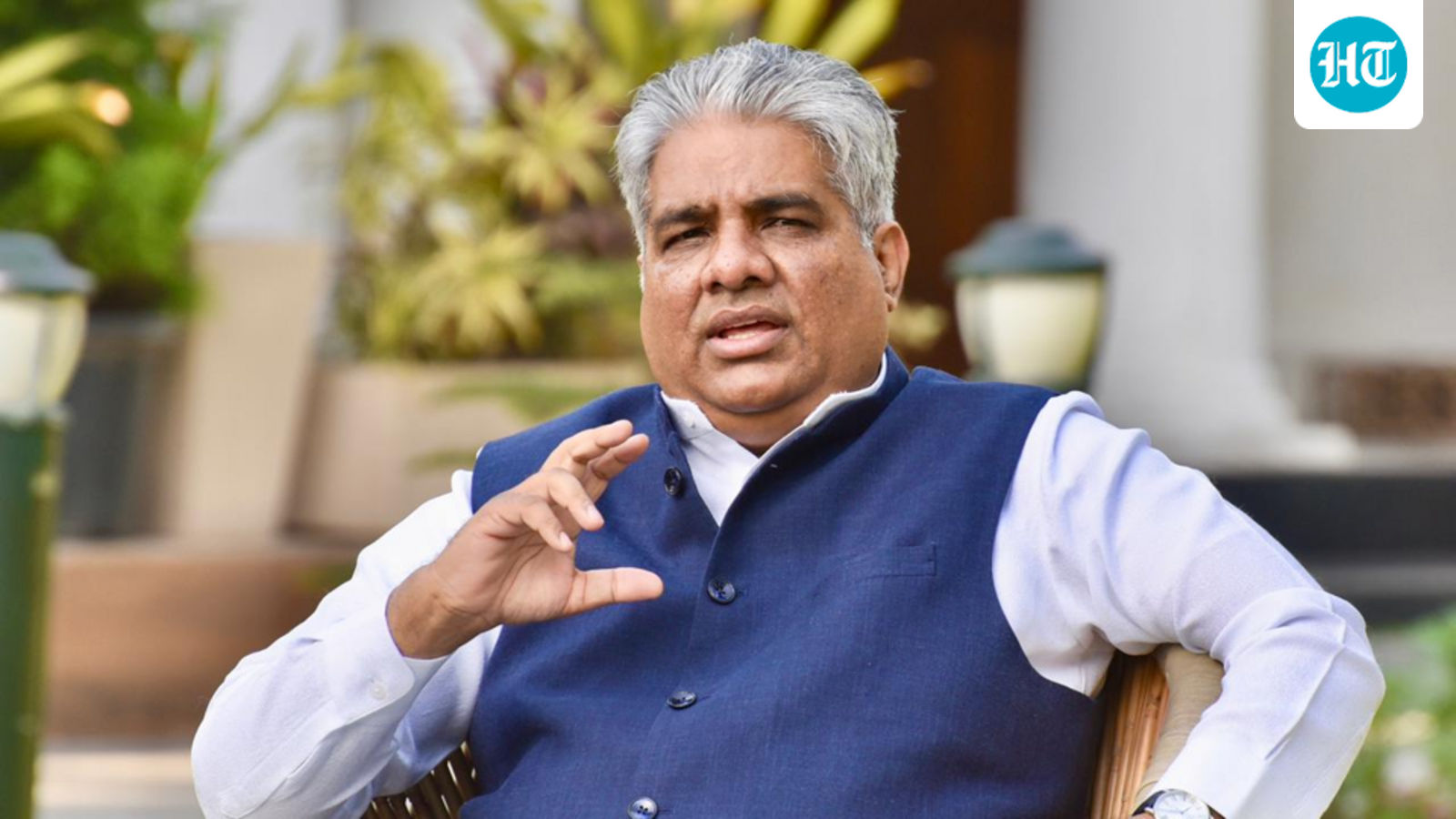
The 2025 United Nations Climate Change Conference (COP30) in Brazil's Belém has been hailed as a significant success by Union Environment Minister Bhupender Yadav. The conference marked a decisive victory for India and the developing world, with a two-year work programme on Paris Agreement's Article 9.1 being a crucial outcome.
This development re-anchors the global climate finance debate, holding developed nations accountable for their legally binding finance obligations. For years, developed countries had diluted their commitments, and this new work programme brings the focus back on their responsibilities.
India's leadership played a central role in shaping the Mutirão decision, which emphasizes cooperation and implementation. The country's priorities for climate finance, including adaptation finance and technology implementation, are reflected in the 29 consensus-based decisions. The Global South's core priorities are also addressed, ranging from climate and adaptation finance to technology, just transitions, and concerns over unilateral trade measures.
A significant achievement at COP30 was the establishment of a new institutional arrangement for just transition, reflecting developing-country priorities. The Technology Implementation Programme and the Global Implementation Accelerator have also been set up to accelerate implementation, strengthen solidarity, and enhance international cooperation.
India welcomes the decision to triple adaptation finance by 2035 and has called for the urgent need for a substantial scaling-up of international adaptation finance flows to developing countries. The country has also taken note of the Belém Roadmap on Transitioning Away from Fossil Fuels and the Belém Roadmap on Forest and Climate.
COP30 has fully met India's expectations, reaffirming its leadership and commitment to climate multilateralism. The conference has opened long-blocked pathways to additional public financial resources, enabling developing countries to pursue mitigation and adaptation without compromising poverty eradication or growth needs.
India's National Adaptation Plan (NAP) and Nationally Determined Contribution (NDC) update is expected to be declared on time, with the country declaring its NDCs for 2031-2035 and the NAP.
In an interview with HT, Yadav said, "COP30 has delivered on India's core objectives, that is, promoting inclusivity, safeguarding the interests of developing nations, and strengthening trust in the multilateral process.