India's Commerce Secretary Calls for Overhaul of Special Economic Zone Policies Amid Global Trade Shifts
Participants at an interface in Chennai drew the commerce secretary’s attention to lack of parity for SEZ units under concessional import duty, duty drawback schemes available to DTA units | India News
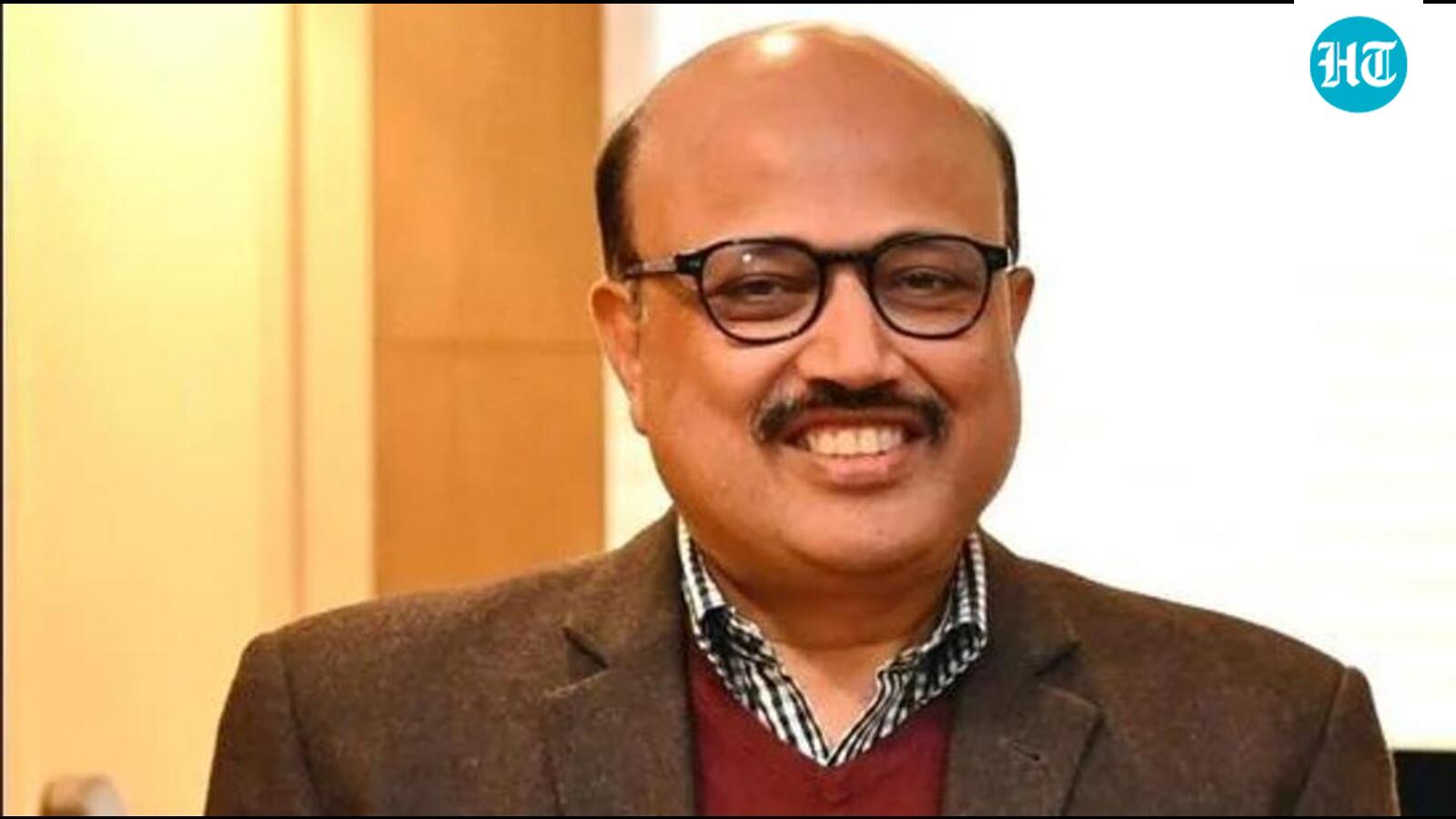
India's commerce secretary, Rajesh Agrawal, has emphasized the need for a major overhaul of special economic zone (SEZ) policies to align with the country's changing economic landscape. Speaking at an industry interface in Chennai, Agrawal highlighted the impact of shifting global value chains, rising demand for domestic tariff area (DTA) access, and evolving free trade agreements (FTAs) on SEZ policies.
The event, organized by the Export Promotion Council for EOUs and SEZs (EPCES), brought together over 150 stakeholders who raised concerns about the lack of parity for SEZ units under import duty and duty drawback schemes available to DTA units. They also pointed to operational inefficiencies caused by the new procurement certificate process, countervailing duties imposed by the US, and the need to review quality control orders (QCOs) for SEZ-to-DTA sales.
Representatives of SEZs and their units highlighted issues related to SEZ-DTA transactions, import monitoring systems, and reverse job work challenges faced by micro, small, and medium enterprises (MSMEs). IT/ITES stakeholders expressed concerns over rules on vacant built-up area classification, timelines for renewal of Letters of Approval (LoA), and procurement attestation requirements that differ from GST norms.
In response to these concerns, Agrawal assured the industry that the ministry would examine each challenge in detail to strengthen ease of doing business. He emphasized the importance of long-term vision and data-driven policymaking, urging industry to prepare structured analyses to support reform considerations.
Agrawal also assured stakeholders that connectivity concerns with BSNL and issues related to import monitoring systems would be reviewed. The ministry has committed to enhancing the SEZ ecosystem to make it more dynamic, responsive, and globally competitive.
The commerce secretary's comments come as India seeks to navigate the complexities of a rapidly changing global trade landscape. By re-examining SEZ policies, the government aims to create a more flexible, efficient, and globally aligned SEZ framework that supports the country's economic growth and competitiveness.