India's Export Potential to Russia Expands Amid Bilateral Trade Boost
The complementarity between India’s global export strengths and Russia’s demand profile offers huge potential  | India News
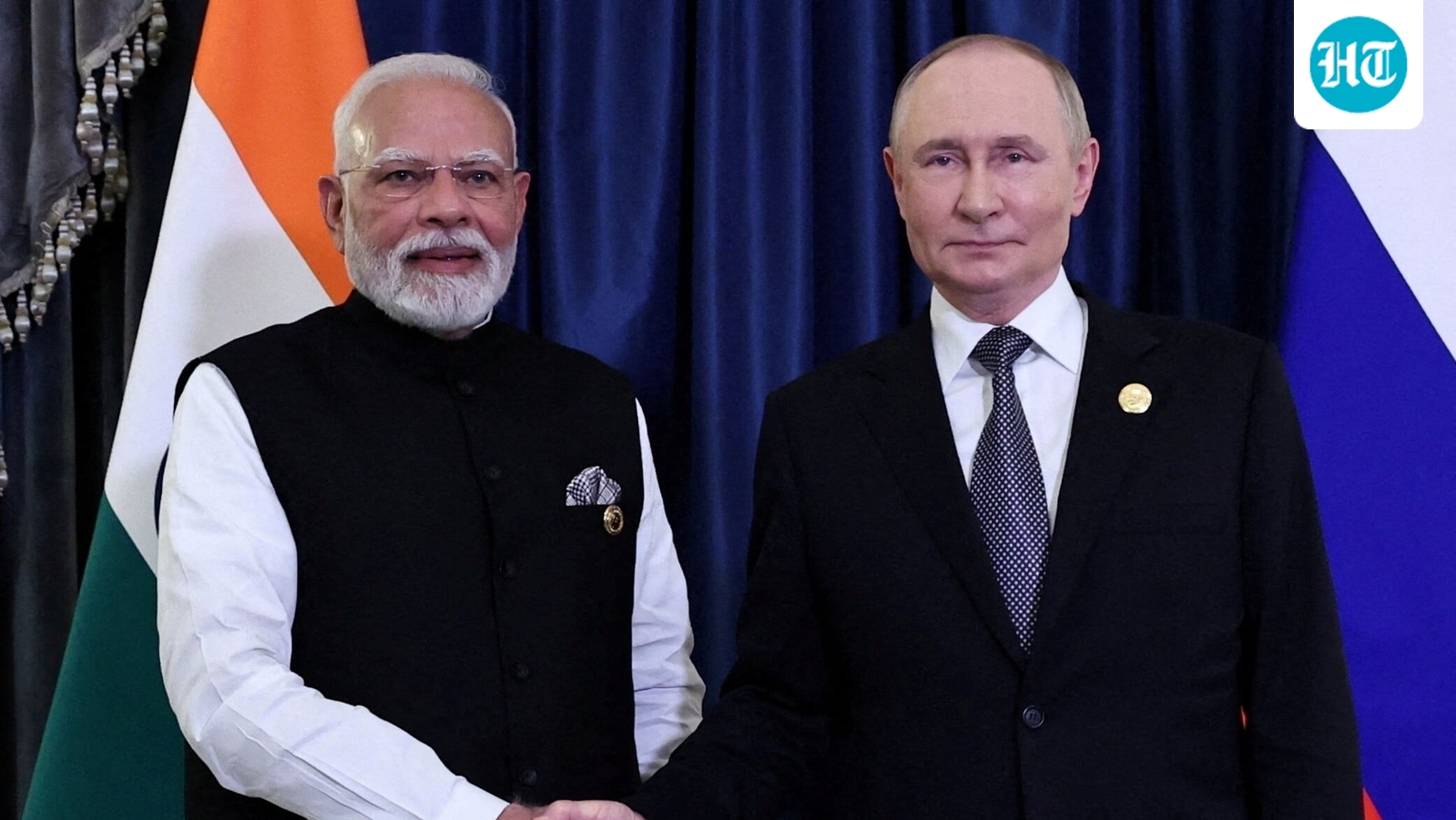
India's bilateral trade with Russia is undergoing a significant transformation, shifting from a narrow energy focus to a more diversified and resilient economic partnership. According to officials, Russia's demand profile presents a substantial opportunity for Indian exports, particularly in engineering goods, pharmaceuticals, and agricultural products.
Currently, India accounts for a modest 2.3% of Russia's imports, but officials believe the complementarity between India's global export strengths and Russia's demand profile offers huge potential for growth. New Delhi and Moscow have a strong and time-tested bilateral relationship, which can be leveraged to boost two-way trade.
India's exports to Russia have steadily increased since the Covid-19 pandemic, from $2.56 billion in 2020 to $4.92 billion in 2024. Although Russia accounts for only 1.1% of India's global exports, the trajectory indicates strong prospects for growth.
The jump in bilateral trade is largely attributed to India's increased imports of cheaper Russian energy in recent years. Total bilateral trade reached $69.2 billion in 2024, up from $8.5 billion in 2020. Russian crude accounted for nearly 21% of India's total oil imports.
Beyond hydrocarbons, fertilizers, and vegetable oils are key imports. India's post-Covid trade growth has marked a turning point, with the country consistently expanding its presence across various product categories, including vehicles, drugs, and pharma, and engineering goods.
To further expand exports to Russia, India needs to align its globally competitive sectors with Russia's large and underserved import needs. India enjoys more than 60% trade complementarity with Russia, offering significant opportunities for growth.
Indian agriculture and allied products have strong promise, with the country exporting $452 million of products to Russia against their global import demand of $3.9 billion. Engineering goods present a significant gap, with New Delhi exporting $90 million, while Moscow imports $2.7 billion in this segment.
Similar prospects exist for Indian chemicals and plastics products, with India currently contributing only $135 million, whereas demand in Russia is over $4 billion. Pharmaceuticals remain a strategic corridor, with India's exports standing at $546 million, against a market of $9.762 billion.
India's labour-intensive industries, such as textiles, apparel, leather goods, handicrafts, processed foods, and light engineering, also hold substantial promise given Russian demand and India's cost competitiveness. Electronics and textiles currently have a market share below 1%, yet demand is sizable, offering space for scale if supported by stronger distribution networks.
With India's imports from Russia largely limited to oil and fertilizers, the policy focus lies in growing Indian exports across this diversified set of opportunities, positioning India as a more significant and reliable supplier to the Russian market in the years ahead.