India's Golden Moment: Can PM Modi Seize the Opportunity for Healthcare Reform?

Image Source: Internet
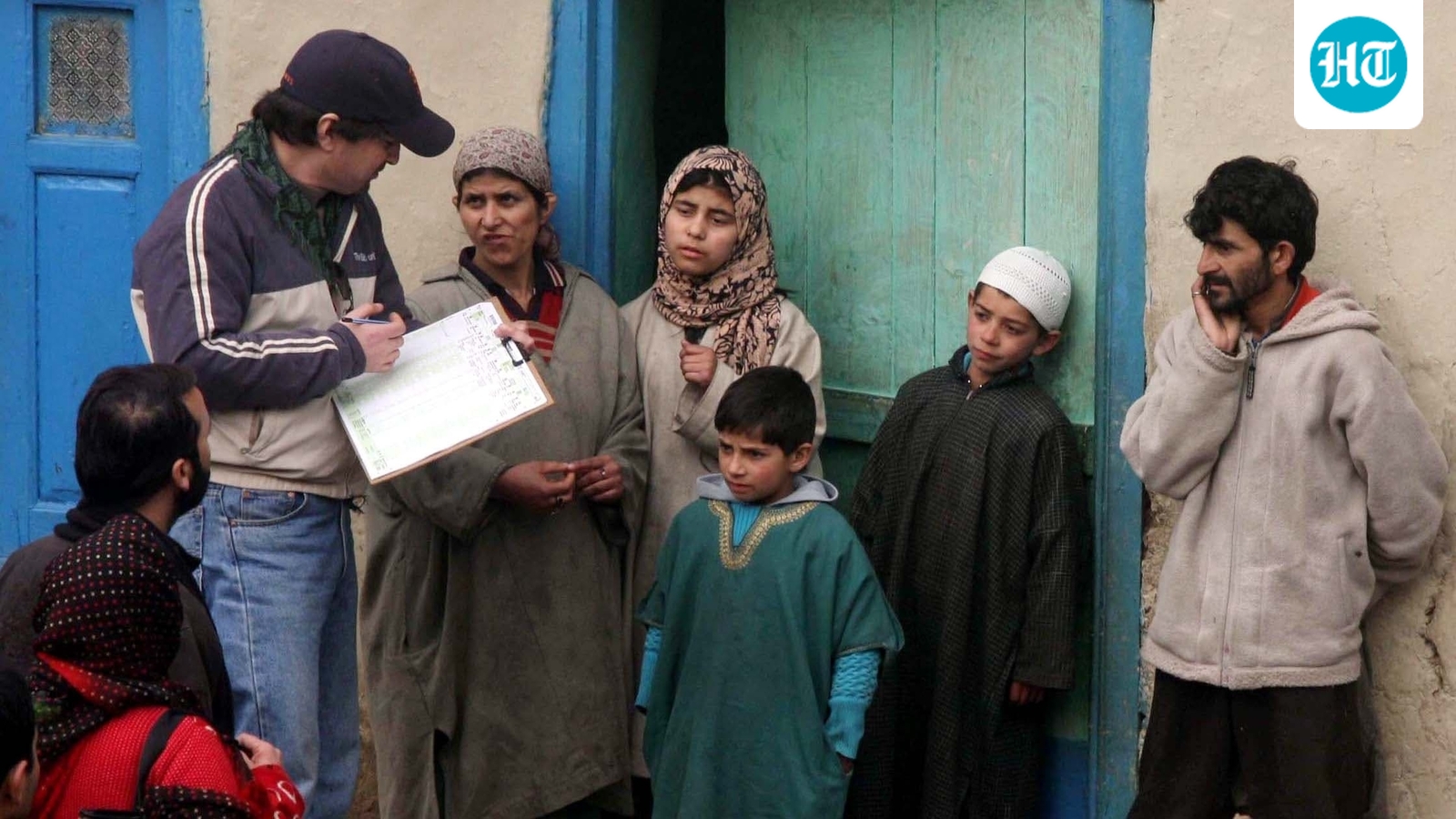
India is at a crossroads, with a unique opportunity to transform its healthcare system for its 1.4 billion people. The country's high public trust, booming economic growth, and stable government create the perfect storm for major reform. According to Richard Horton, editor of The Lancet, this is a 'once in a generation' chance that Prime Minister Narendra Modi must not miss. Horton's appeal to the prime minister comes as he released a major commission report identifying poor quality care, fragmented delivery, and governance failures as the main barriers to universal health coverage. The report, which surveyed 50,000 households across 121 districts in 29 states, found that hundreds of thousands of people die each year due to substandard healthcare. The Lancet Commission on a Citizen-Centred Health System for India proposes a high-performing, publicly financed and publicly provided integrated healthcare delivery system as the primary vehicle for universal coverage. The commission also recommends mandatory re-licensing for doctors, integration of traditional medicine practitioners into the system, and the creation of a 'State of India's Health System' report to track progress and celebrate achievements. Horton emphasized that the public in India is 'extremely optimistic' about the future, and that this optimism, combined with high public trust in the government, creates a unique opportunity for reform. However, he warned that if the government fails to act, the consequences will be dire. The report's findings are stark: 1.6 million people die every year in India due to poor quality care, and life expectancy is nine years lower than in China. Horton called this 'an unacceptable difference' and emphasized that the problem is not just access to care, but the quality of care. To address the quality crisis, Horton proposed a range of reforms, including mandatory re-licensing for doctors, integration of traditional medicine practitioners, and the creation of a functional gatekeeping system. He also emphasized the need for a 'citizen-led' approach to reform, with the community demanding these changes. The commission's main recommendation is for a high-performing, publicly financed and publicly provided integrated healthcare delivery system as the primary vehicle for universal coverage. Horton emphasized that this is not just a technocratic issue, but a matter of public demand and accountability. With the government's 'war chest' of economic growth, Horton urged the prime minister to seize the opportunity for reform and create a healthcare system that is 'fit for purpose'. The Lancet Commission's report provides a roadmap for reform, and it is up to the government to take action and ensure that the public's trust is not betrayed.