India's Green Highway Revolution: Turning Waste into Worth
India's road network is expanding rapidly, adopting waste materials like steel slag and recycled plastics to reduce environmental impact and carbon footprint. | India News
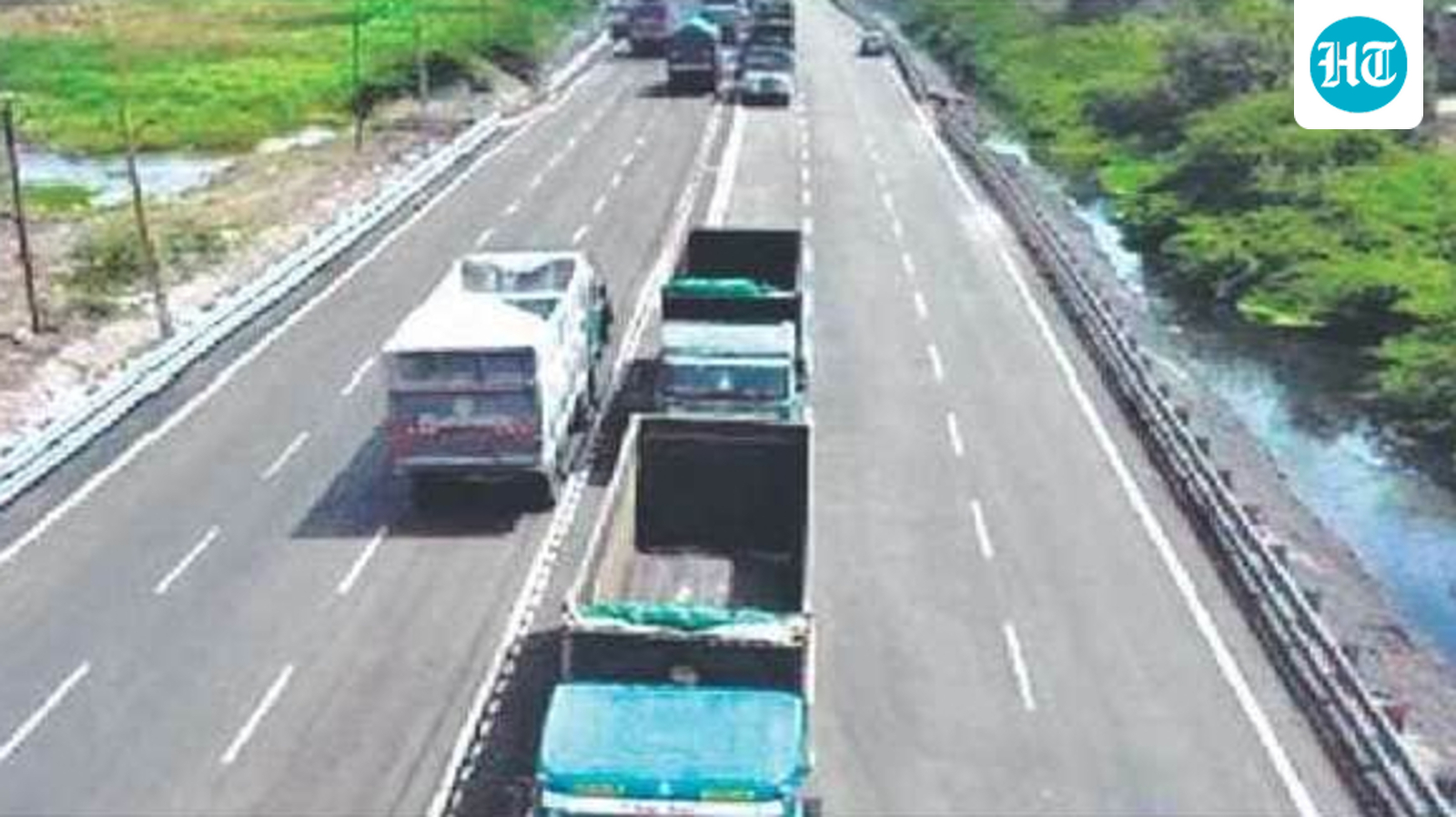
India's massive road network, spanning over 6.6 million kilometres, is set to undergo a significant transformation. The government aims to build 40 kilometres of national highways daily, but this massive infrastructure growth comes with a hefty environmental price tag. To mitigate this, India is embracing innovation, turning industrial, municipal, and farm waste into usable construction materials.
In Raigarh, Chhattisgarh, a two-kilometre, six-lane road is being rebuilt using steel slag, a by-product of steelmaking. This project, supported by CRRI, is one of India's most advanced industrial waste utilisation efforts. Steel slag can replace natural aggregates in all pavement layers, reducing carbon emissions by about 30% and diverting over 22 million tonnes of slag generated annually from landfills.
Another innovation changing road construction is the use of geocells—a honeycomb-shaped grid made primarily from recycled plastics. These structures, when filled with soil or aggregates, improve load distribution and make roads sturdier. CRRI and Bharat Petroleum Corporation Limited have jointly patented this system and demonstrated it on a 1,280-square-metre stretch near the DND–Faridabad–KMP Expressway.
Private sector players are also experimenting with greener materials. Vertis Infrastructure Trust has reused about 700 tonnes of waste plastic in its Udupi and Ulundurpet highway projects, achieving higher durability and lower maintenance. Moglix has set up a greenfield facility producing crumb rubber–modified bitumen from waste tyres and plastic waste–modified bitumen.
Experts stress the urgency for codification and standardisation to enable wider adoption of such materials. CRRI, along with the IRC, is developing a Green Rating Framework for Road Construction Materials to assess recyclability, embodied energy, and life-cycle impact. The GRIHA Council, which rates India's buildings and infrastructure on environmental performance, launched the Infrastructure Rating for Highways in December 2024 with 12 sustainability criteria.
The National Highways Authority of India (NHAI) has reported a reduction in greenhouse gas intensity and the use of 631 lakh metric tons of recycled materials such as fly ash, plastic waste, and reclaimed asphalt. If similar sustainability models are integrated into highways, India can embed circularity and carbon reduction goals in line with its 2070 net-zero commitment.