India's Justice System Falls Short: 70% of Prisoners are Innocent Until Proven Guilty
According to statistics maintained by the undertrial review committee established under a 2015 Supreme Court judgment, there are 530,333 prisoners, with undertrials accounting for 74% | India News
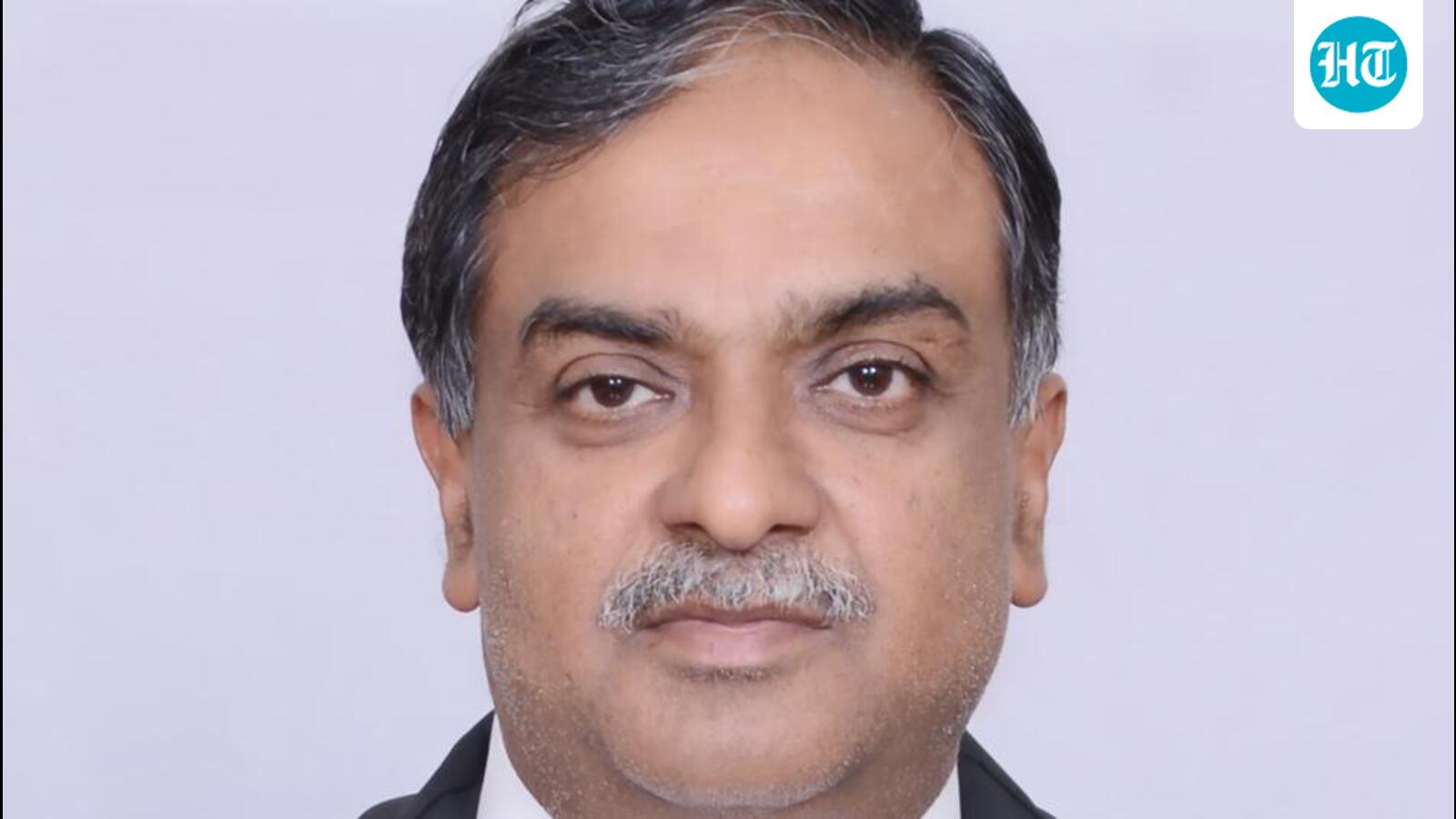
New Delhi: In a stark reflection of India's justice system, Supreme Court Judge Justice Vikram Nath has highlighted the alarming trend of undertrials languishing in custody, with over 70% of the country's prison population consisting of accused individuals awaiting trial. According to statistics, there are over 530,000 prisoners, with undertrials making up 74% of this number.
Justice Nath emphasized that the fundamental principle of 'innocent until proven guilty' has become a distant reality for many undertrials. The senior judge pointed out that a significant number of people continue to be in prison not because of the law, but due to the system's failure to provide them with justice. Many undertrials spend more time in jail than the maximum sentence prescribed for their alleged offenses, or remain incarcerated for bailable offenses due to their inability to furnish bail or produce sureties.
The judge noted that despite the law guaranteeing free legal aid, only 7.91% of undertrial prisoners have been able to access it. This is largely due to a lack of awareness about the right to free legal aid, as well as distrust of state-provided advocates. Justice Nath stressed that the system must prioritize the needs of the vulnerable, including poor, marginalized, and unaware individuals.
The judge highlighted the importance of meaningful legal aid, citing research by the Square Circle Clinic that has helped secure the release of over 1,700 inmates since 2019. He emphasized the need for a continuous and accountable chain of representation from the first court appearance to the conclusion of trial, and for the creation of national and state-level databases to track undertrial detention patterns.
Justice Nath also called for differentiated protections for women undertrials, transgender persons, and those with mental health concerns, whose vulnerabilities are often compounded by systemic invisibility. He urged the system to prioritize the restoration of liberty and dignity, quoting Justice H.R. Khanna: 'If we are to err, let us err on the side of liberty and dignity.' The judge's words serve as a stark reminder that India's justice system has a long way to go in ensuring that the rights of the vulnerable are protected.