India's New Labour Codes Revolutionize Worker Welfare with Sweeping Reforms
4 new labour codes: The new reforms set uniform wage rules, stricter safety norms and easier compliance for employers. | India News
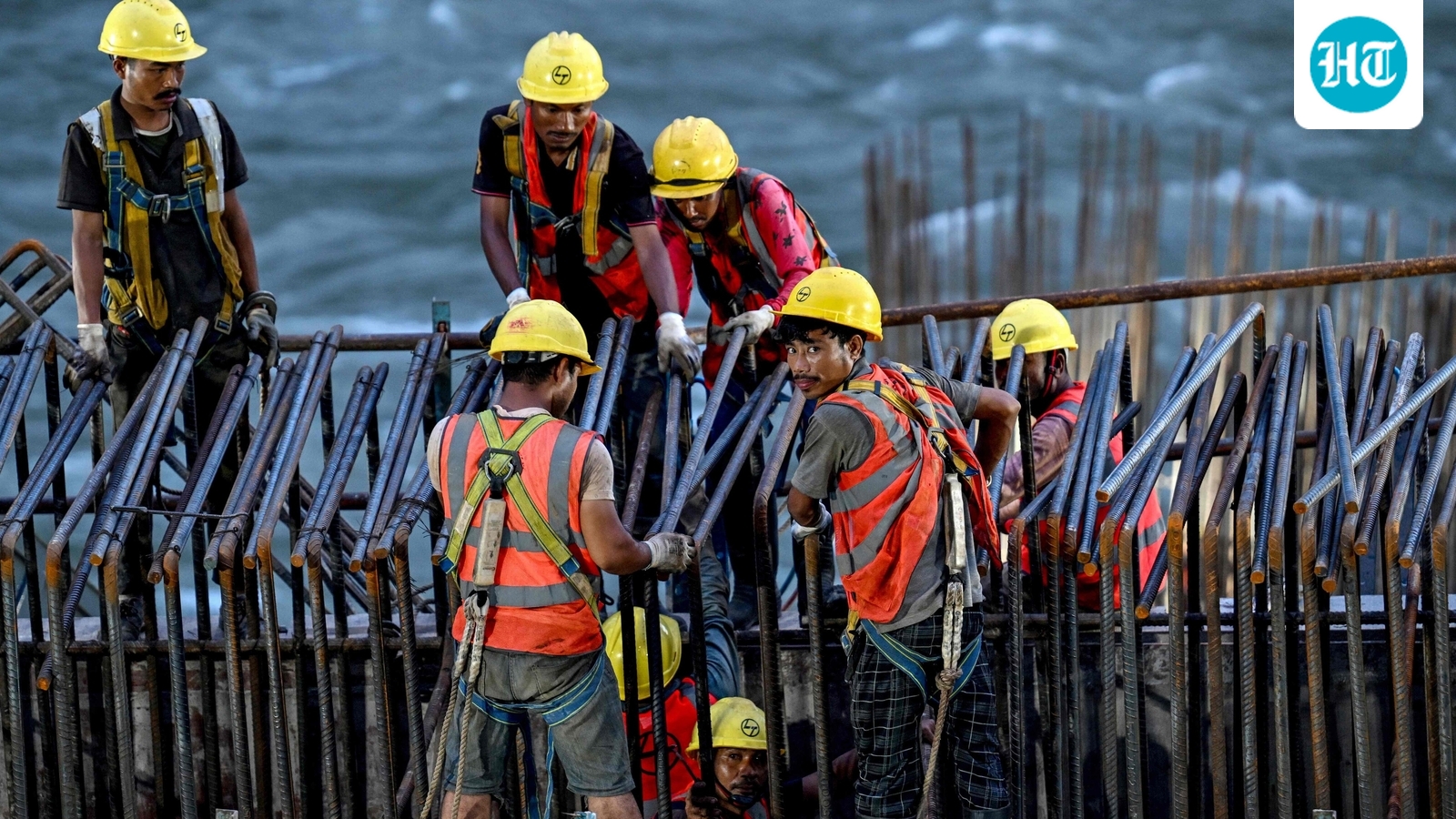
India's labour landscape has undergone a significant transformation with the introduction of four comprehensive Labour Codes, effective from Friday. These codes, aimed at consolidating 29 older labour laws, mark a major milestone in the country's labour history. The new framework seeks to improve worker welfare and expand protections across sectors, setting uniform wage rules, stricter safety norms, and easing compliance for employers.
Prime Minister Narendra Modi welcomed the reforms, calling them the most comprehensive and progressive since India's independence. The Labour Minister, Mansukh Mandaviya, hailed the rollout, promising a guarantee of better wages, safety, and dignity for workers.
The new Labour Codes offer a range of benefits across various sectors, including:
* Fixed-Term Employees: equal benefits, gratuity after one year, equal wages, and reduced over-contractualisation
* Gig & Platform Workers: clear definitions, social security contributions, and Aadhaar-linked Universal Account Number
* Contract Workers: increased employability, equal benefits, and principal employer responsibilities
* Women Workers: legal ban on gender discrimination, equal pay, and mandatory women representation in grievance committees
* Youth Workers: guaranteed minimum wage, appointment letters, and mandatory payment of wages during leave
* MSME Workers: full coverage under Social Security Code, guaranteed minimum wage, and access to facilities
* IT & ITES Workers: timely wage payment, equal pay, and stronger women participation
* Cross-Sector Reforms: National Floor Wage, gender-neutral pay, Inspector-cum-Facilitator, and unified safety standards
These reforms are expected to strengthen the rights of workers and promote a self-reliant and developed India by 2047.