India's Public Sector Banks Paralysed as Nationwide Strike Enters Third Day
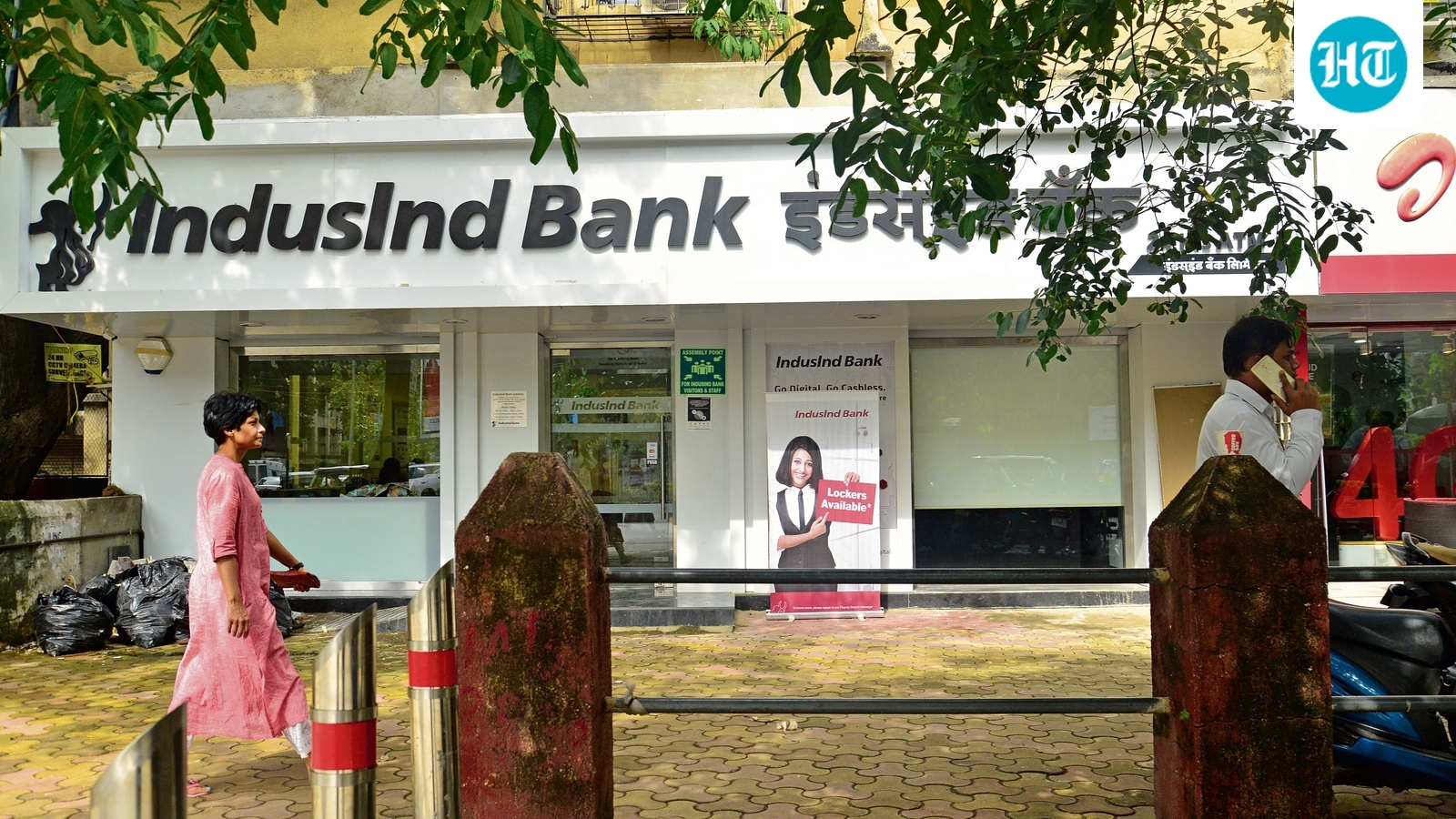
Image Source: Internet
A nationwide strike by bank employee unions has brought public sector banking operations to a standstill, affecting millions of customers. The strike, which began on Sunday, January 25, and was scheduled to end on Tuesday, January 27, has seen all public sector banks, including the State Bank of India, shut down or operate with reduced services. The unions, part of the United Forum of Bank Unions (UFBU), are demanding a five-day workweek, citing that the current system, where banks remain closed on every second and fourth Saturday, is outdated. The strike has been called after meetings with the chief labour commissioner failed to yield results. The UFBU, which represents employees and officers across public sector banks, has been pushing for a five-day workweek since March 2024, when the idea emerged during a wage revision settlement. The union points out that the RBI, LIC, GIC, stock exchanges, and government offices already follow a five-day workweek, and that there is no justification for banks to function otherwise. While private sector banks such as ICICI Bank, HDFC Bank, Kotak Mahindra Bank, and Axis Bank are expected to remain unaffected by the strike, the disruption to public sector banks is likely to cause inconvenience to customers. The State Bank of India has issued a statement advising customers that while arrangements have been made to ensure normal functioning, there is a possibility of operations being hampered. The strike has also led to a warning from the bank that customers may face difficulties in availing services. The UFBU has stated that the five-day workweek will not result in a loss of man-hours, as employees have agreed to work an extra 40 minutes daily from Monday to Friday. The union has been critical of the government's failure to respond to its 'genuine demand', and has decided to go ahead with the strike in the absence of a positive outcome from the meetings with the chief labour commissioner.