A fragile Iran truce, a high-stakes Modi-Trump reset, and a hard-nosed case for 'India First' are converging into a decisive few weeks for New Delhi's foreign and security policy.
The imminent Iran-US interim deal could lift the blockade of the Strait of Hormuz after three and a half months of war, opening the world's most critical energy chokepoint to maritime traffic again.
For India, heavily dependent on Gulf oil, this is a shot in the arm: 16 days of ceasefire have already pulled prices down and injected optimism into global markets.
However, as Shishir Gupta stresses, this is no peace agreement; it is a 60-day breathing space to negotiate the real prize - a nuclear deal.
The core issues remain: Iran's nuclear programme, its growing ballistic missile arsenal, and a network of empowered proxies ring-fencing Israel with longer-range rockets and missiles.
Until these are addressed, any celebration is premature; the 'devil lies in the detail' of a still-unseen text.
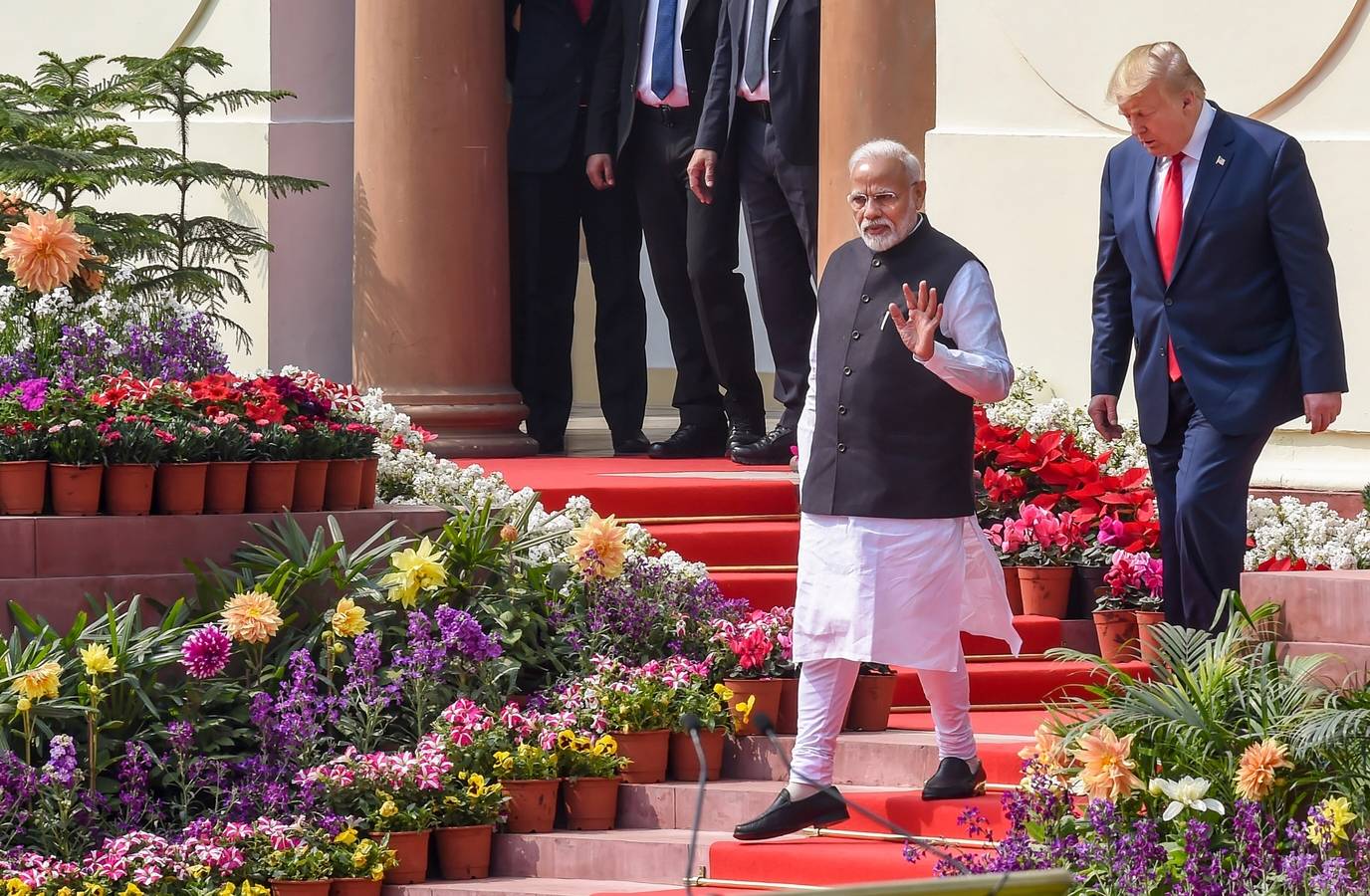
Modi's upcoming meeting with Trump on the sidelines of the G7 will be a packed agenda, with Iran, trade, and the recent killing of three Indian sailors in the Gulf of Oman on the table.
Delhi will seek a 'competitive tariff' - parity with peer exporters - to hold its own in the American market, and Modi will make it clear that Indian lives cannot be collateral damage in a war India is not party to.
Pakistan's diplomatic role in the Iran file has given it a moment, but its limits are clear: Islamabad 'plays both sides' and buys major defence hardware from both the US and China.
Gupta argues that India must stop seeing the world through American, Chinese, or Russian lenses and return to a pure interests-based 'India First' approach.
This means buying Russian oil if it keeps the economy running, hardening against Pakistan's and China's military acquisitions, and investing heavily at home in research, development, and defence manufacturing.