India's Supreme Court Revives Green Permits for Retroactive Projects, Overturning Earlier Ban
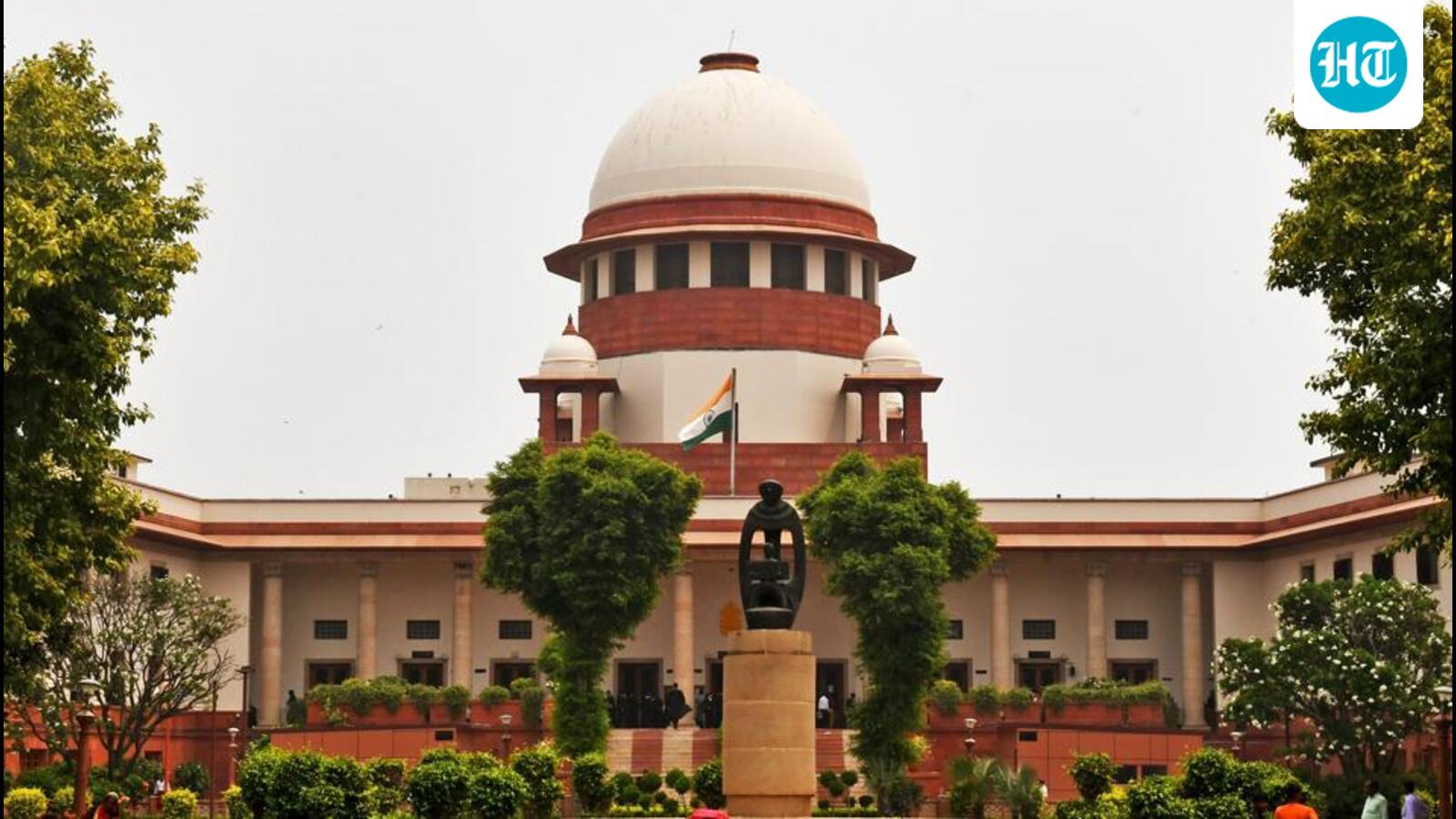
Chief Justice of India (CJI) Bhushan R Gavai and Justice K Vinod Chandran, writing separate but concurring opinions, allowed a batch of review petitions and declared that the May verdict, delivered by a two-judge bench of justices Abhay S Oka (since retired) and Ujjal Bhuyan in the Vanashakti case, could not stand in the face of earlier Supreme Court rulings that had recognised limited situations where post-facto EC may be permissible | India News
{
"title": "India's Supreme Court Revives Green Permits for Retroactive Projects, Overturning Earlier Ban",
"article": "In a significant move, the Supreme Court of India has overturned its earlier order that barred the grant of ex-post-facto environment clearance (EC) to development projects. By a 2-1 majority, the court allowed a batch of review petitions, paving the way for the revival of the 2017 notification and 2021 office memorandum (OM) that permit post-facto ECs in limited situations with heavy penalties.
The court's decision, led by Chief Justice Bhushan R Gavai, was based on the argument that the earlier ruling failed to consider binding earlier precedent and thereby violated judicial discipline. The majority judgment noted that the earlier ruling produced consequences that were legally unsustainable and devastating for numerous public projects across the country.
Justice Gavai emphasized that the earlier ruling relied only on selective portions of earlier rulings and missed crucial paragraphs of key judgments that favored a balanced approach and recognized the legitimacy of post-facto approvals in limited circumstances. He also highlighted that the practical fallout of the earlier judgment would have resulted in the demolition of numerous completed or near-completed public projects worth ₹20,000 crore.
The court's decision is seen as a relief for several public projects, including the nearly 1,000-bed AIIMS Medical College and Hospital in Odisha, a greenfield airport in Vijayanagar, Karnataka, and several common effluent treatment plants. The projects, which had completed required studies and were awaiting final ECs, would have been demolished if the earlier judgment had stood.
Justice Vinod Chandran, concurring with Chief Justice Gavai, wrote that the power to regulate inherently includes the power to relax regulations, unless expressly barred. He emphasized that the 2017 notification and 2021 OM were not regressive measures but pragmatic responses to ground realities in environmental regulation.
However, Justice Ujjal Bhuyan dissented, maintaining that the earlier ruling was correctly decided and that permitting ex-post facto ECs undermines the statutory scheme and encourages violations. The court's decision is expected to have significant implications for environmental regulation in India and will be closely watched by experts and stakeholders.
The court's verdict is a win for several projects that were facing demolition risks, including 45 major projects worth ₹79,000 crore that were stuck in the regulatory process. The decision also highlights the importance of a balanced approach in environmental regulation, recognizing the need for flexibility and pragmatism in addressing ground realities."