India's Toxic Air Crisis: 60% of Districts Exceed Safety Limits
A study has revealed that as many as 60 percent of India’s districts have an AQI index which exceeds the limit set by Indian authorities themselves. | India News
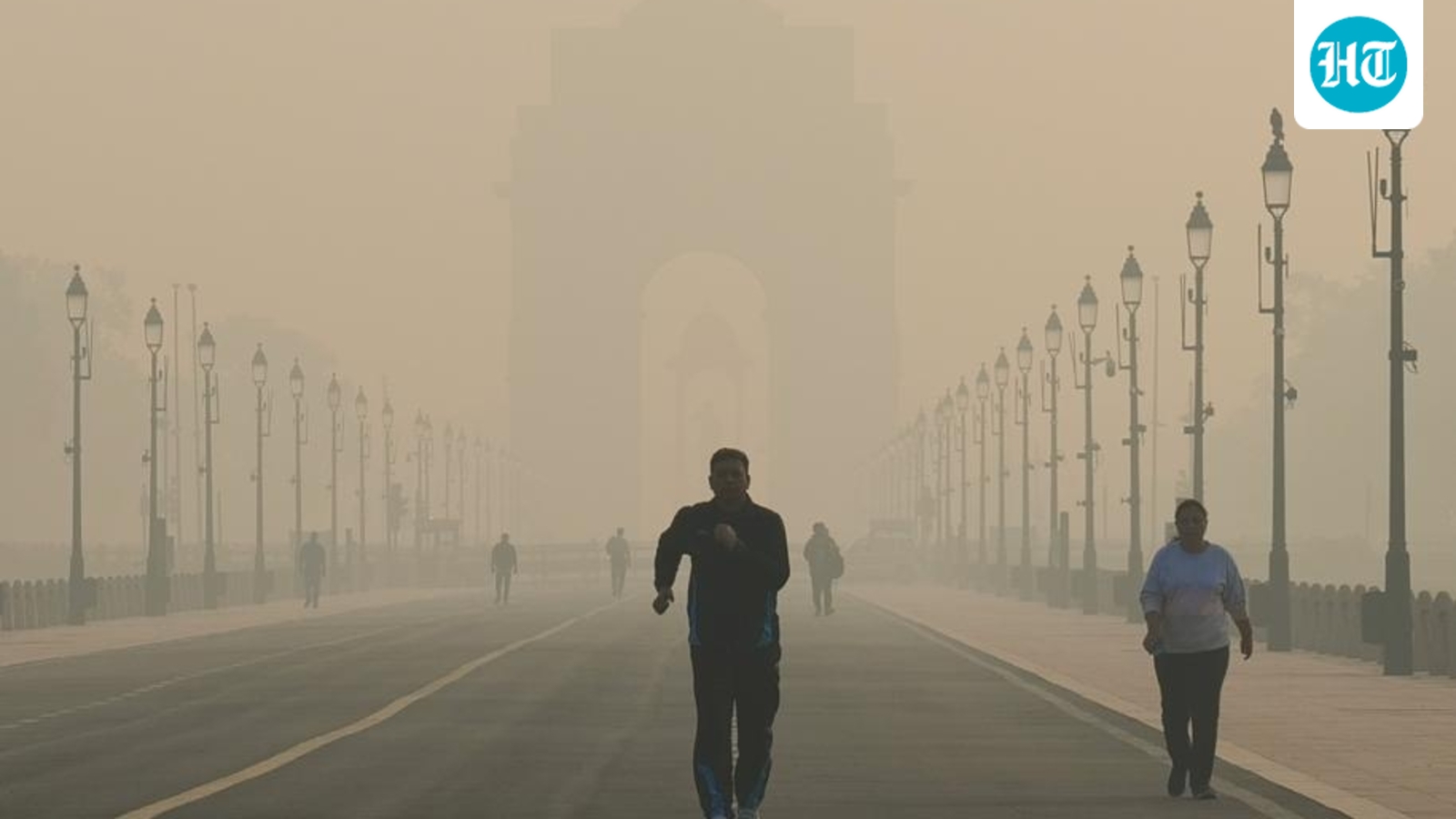
A recent study on India's air quality has revealed a shocking truth: 60% of the country's 749 districts have particulate matter 2.5 levels exceeding safety regulations. The National Ambient Air Quality Standard (NAAQS) limit of 40 µg/m³ is consistently breached in all these districts.
According to the study, 'Beyond city limits: A satellite-based PM2.5 assessment across India's airsheds, states, and districts,' authored by Manoj Kumar, Monish Raj, Panda Rushwood, and Rosa Gierens, Delhi, Tripura, Punjab, Haryana, Himachal Pradesh, Meghalaya, and Chandigarh are the most polluted states, with all districts exceeding NAAQS limits in all seasons except monsoon.
The study, published by the Centre for Research on Energy and Clean Air, found that all 33 states and union territories of India have a concentration of PM2.5 above the World Health Organization's (WHO) limit of 5 µg/m³. Out of these, 28 states and union territories have exceeded NAAQS limits, which is eight times higher than the WHO's.
Delhi tops the list of the most polluted cities in India, with a PM2.5 concentration of 101 µg/m³. The Indo-Gangetic airshed remains the most polluted region in the country, with Northeastern states like Tripura and Assam also facing increasing pollution.
Adding to Delhi's air quality woes, a rare volcanic eruption in northern Ethiopia has discharged a plume of smoke, which has reached the city, further exacerbating the poor air quality. Although experts say the impact is unlikely to be significant, the city is already recording excessive levels of PM and a very high Air Quality Index (AQI) reading. The situation is likely to worsen, leaving Delhi residents gasping for breath.