India's Unified Higher Education Body to Empower Institutions, Boost Global Competitiveness
The VBSA Bill, 2025 aims to decentralize higher education regulation in India, enhancing institutional autonomy and focusing on student outcomes. | India News

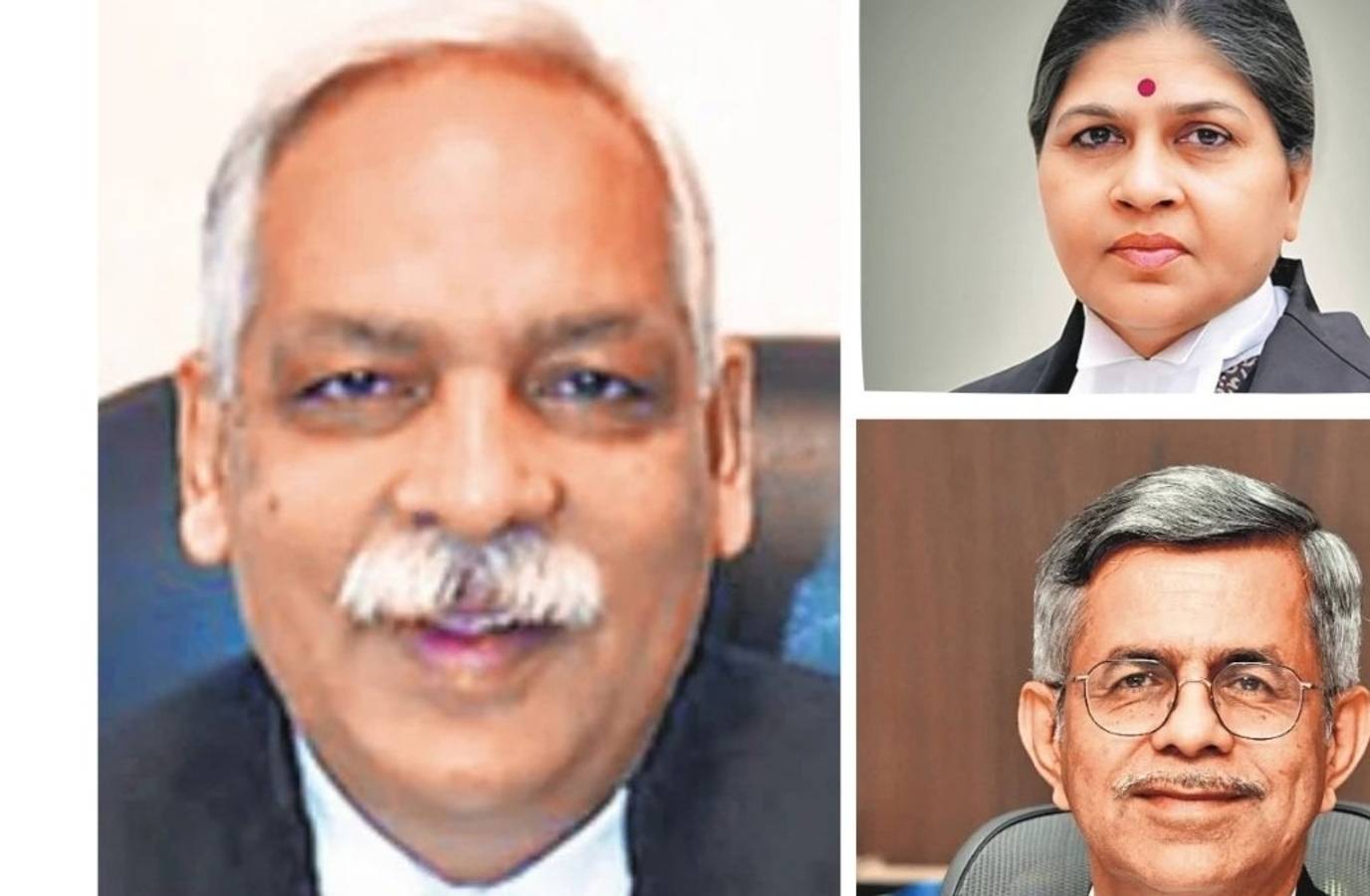
India is set to introduce a unified higher education body, the Viksit Bharat Shiksha Adhishthan (VBSA), aimed at decentralizing regulation and giving colleges and universities greater autonomy to shape their own outcomes. According to Vineet Joshi, secretary in the department of higher education and chairman of the University Grants Commission (UGC), the new framework will simplify India's complex regulatory architecture while empowering institutions to take ownership of their performance.
The VBSA Bill, approved by the cabinet on December 12, seeks to replace three regulators – the UGC, the All India Council for Technical Education (AICTE), and the National Council for Teacher Education (NCTE) – with a single body. This move is expected to streamline the system, reducing the number of regulators from 14 to 1, and ensuring that institutions deal with a single authority.
Joshi emphasized that the new framework will not lead to over-centralization, but rather give institutions the freedom to declare their own data and make decisions based on it. The intent is to simplify regulation without diluting expertise, and to ensure that institutions are held accountable for their performance.
The bill also aims to regulate the establishment of higher educational institutes, imposing a fine of ₹2 crore on those who set up universities without proper government approval.
Prof TG Sitharam, chairman of the AICTE, highlighted the importance of India's young talent pool, particularly in emerging technologies such as artificial intelligence and data science. He noted that India's human capital is highly regarded globally, and that this talent advantage is driving investment decisions.
Joshi linked the VBSA reforms to the National Education Policy (NEP) 2020, which marked a shift towards a student-first approach. He emphasized that every major policy change since 2020 has flowed from this principle, with a focus on empowering students and making them job-ready.
The VBSA Bill also seeks to address the changing role of teachers in technology-driven disciplines. Sitharam noted that the learning space has changed, and that teachers need structured support to adapt to new technologies and pedagogies.
The evolving regulatory framework links institutional autonomy to performance, particularly student outcomes. Joshi emphasized that autonomy will be granted to institutions that demonstrate high-quality performance, and that those that fail to meet expectations will work towards improvement.
Enrolment data shows significant gains in access and inclusivity, with Scheduled Castes, Scheduled Tribes, and Other Backward Classes experiencing higher growth rates than the unreserved category. Women's participation has also risen sharply, with female gross enrolment exceeding male enrolment for six consecutive years.
Looking ahead, Sitharam expressed confidence that these reforms will propel India to global leadership in innovation and entrepreneurship within the next five years.