India Seeks 20% Defence Budget Hike for FY 26-27 Amid Geopolitical Tensions
The defence budget for FY 2025-26 accounts for 1.9% of the country’s projected gross domestic product (GDP) | India News
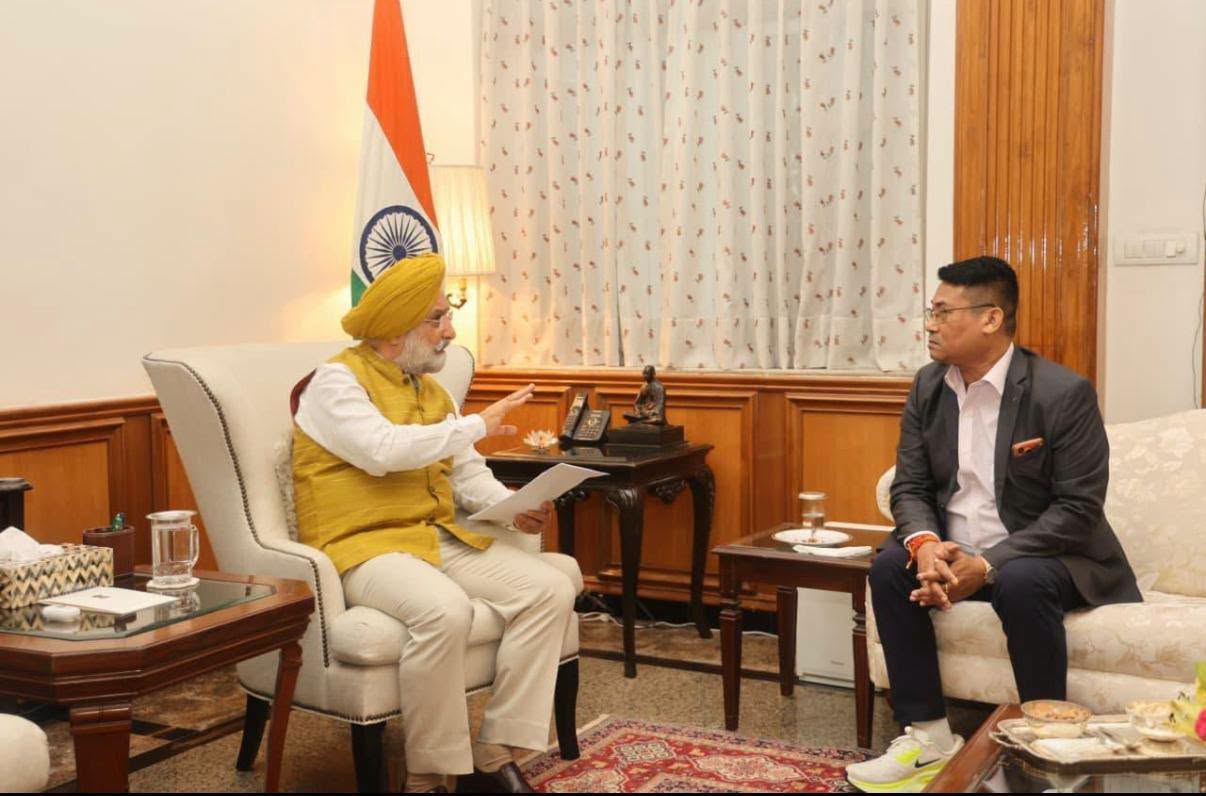
India's Defence Ministry is set to ask for a 20% increase in the country's defence budget for the financial year 2026-27. The move comes amidst growing security concerns in the region, with Defence Secretary Rajesh Kumar Singh stating that the country needs to boost its military capabilities to stay competitive.
In a recent address to industry leaders, Singh warned that the government will not hesitate to foreclose contracts if defence companies fail to meet their timelines, particularly in emergency procurements where timely delivery is crucial.
India had allocated ₹6.8 lakh crore for defence spending in the current fiscal year, a 9% increase from the previous year. Singh expressed confidence that the finance ministry will approve the additional funds, citing the country's growing defence industry and its ability to absorb the increased resources.
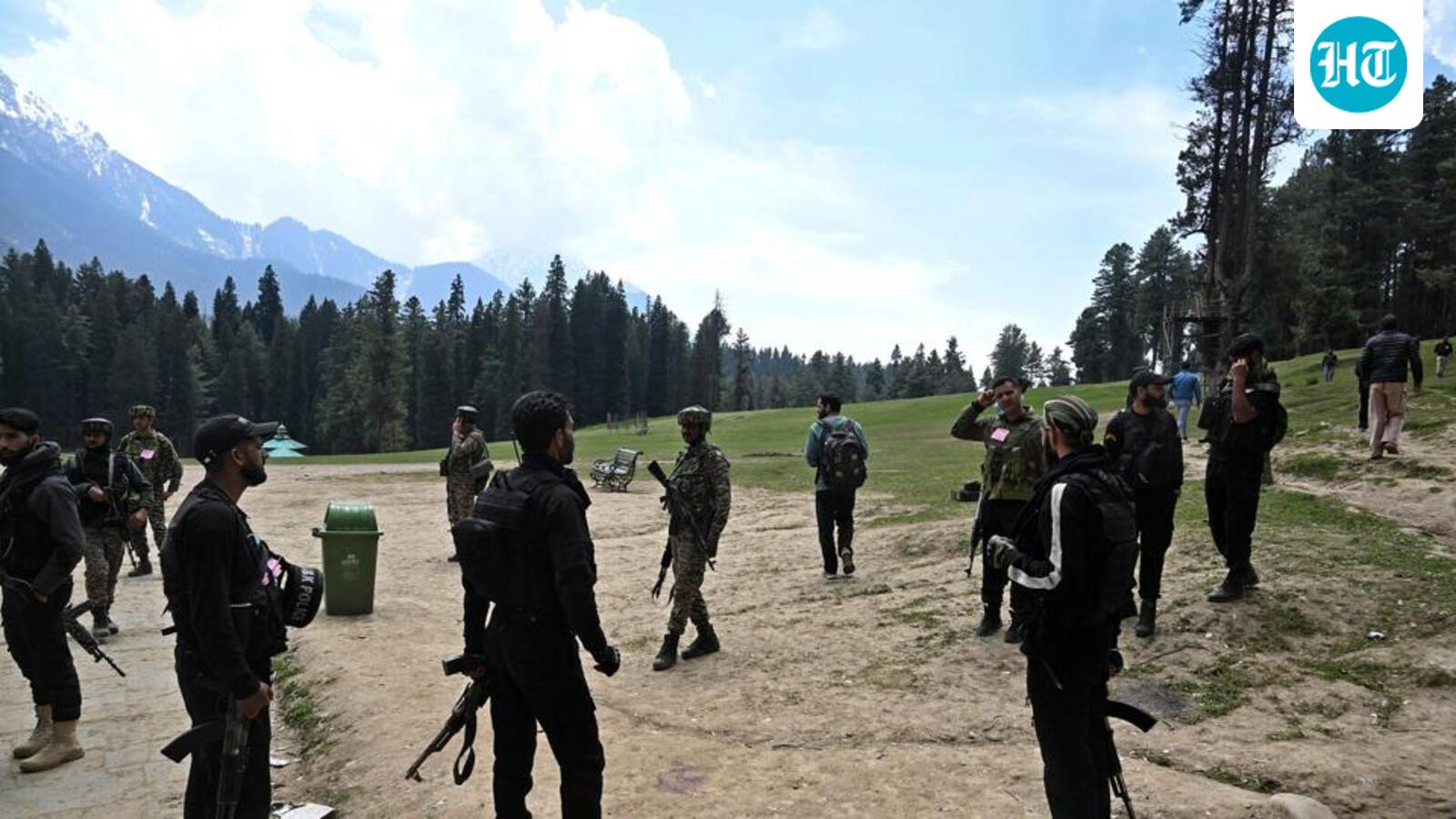
The defence budget hike is expected to be sought in the backdrop of Operation Sindoor, a significant military operation. The allocation accounts for 1.9% of the country's projected GDP.
Singh also emphasized the need for India to diversify its defence purchases from abroad and focus on spending most of the budget within the country. He urged foreign original equipment manufacturers to consider co-producing weapons and systems with Indian firms to gain a share of the domestic market.
The Defence Secretary also touched upon India's defence relationships with Russia and the United States, stating that the country will continue to cooperate with Russia while maintaining strategic autonomy. India has already bought military hardware worth $30 billion from the US over the past decade.
To boost domestic defence production, the department of military affairs is set to release the next positive indigenisation list, which will place more defence items under an import ban. So far, India has issued five such lists, covering 509 major defence items, with around 50% of them already being indigenised.