
India Set to Boost Nuclear Deterrence with Third Ballistic Missile Submarine
Aridaman is set to be commissioned early next year, followed by a fourth SSBN codenamed S-4* in 2027, Hindustan Times has learnt.  | India News
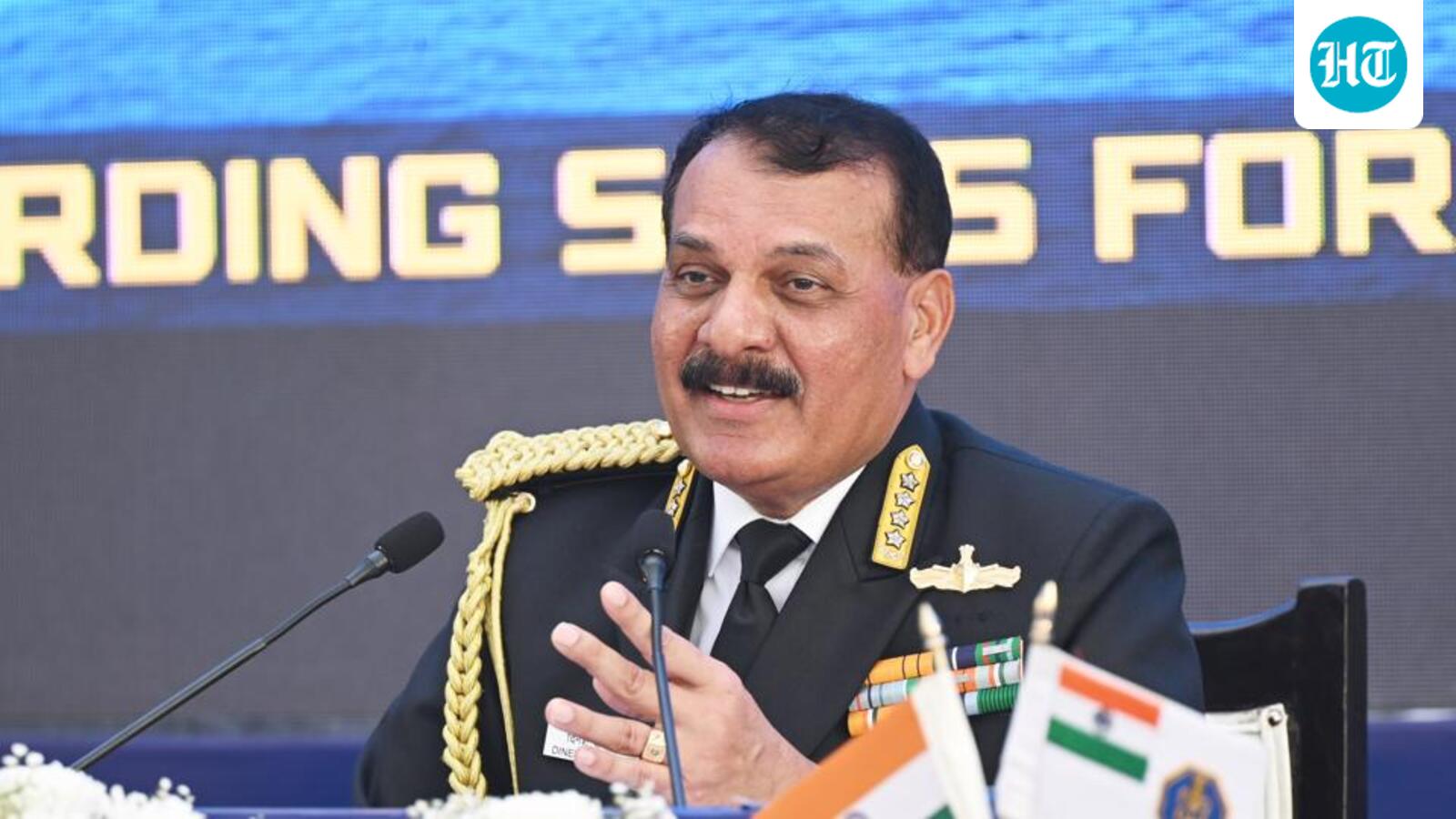
India is poised to strengthen its strategic forces with the upcoming commissioning of its third nuclear-powered ballistic missile submarine, Aridaman. The submarine, currently undergoing final trials, is expected to be inducted into service early next year, marking a significant milestone in India's nuclear triad capabilities.
The Arihant-class submarine, named Aridaman, is set to become the navy's third SSBN (Ship Submersible Ballistic Nuclear), joining INS Arihant and INS Arighaat. With a length of 6,000 tonnes, Aridaman will be capable of launching nuclear warheads up to 750 km away, making it a formidable addition to India's nuclear deterrent.
India's nuclear triad, which includes land, sea, and air-based nuclear capabilities, is one of the few in the world. The country's first indigenous SSBN, INS Arihant, successfully completed its first deterrence patrol in 2018, while INS Arighaat was commissioned in August 2024.
The upcoming commissioning of Aridaman will be followed by the induction of a fourth SSBN, codenamed S-4*, in 2027. These advanced submarines will be capable of launching longer-range missiles, with some reports suggesting they may be equipped with K-4 SLBMs, which can strike targets up to 3,500 km away.
India's nuclear arsenal has been steadily growing, with the Stockholm International Peace Research Institute (SIPRI) estimating that the country has 180 nuclear warheads as of January 2025. However, China's nuclear arsenal remains significantly larger, with an estimated 600 nuclear warheads.
Meanwhile, the navy is also working on a ₹70,000-crore Project 75I to build six advanced conventional submarines, with the first submarine expected to be delivered in 2027. The project aims to enhance the navy's underwater capabilities and promote self-reliance in defense manufacturing.
In related news, the navy chief revealed that the four-day military confrontation with Pakistan in May had a noticeable impact on the country's economy. The operation, codenamed Operation Sindoor, saw the navy confine the Pakistan Navy to its own shores, leading to a decrease in shipping traffic through Pakistani ports.
Finally, the navy chief announced that the first deliveries of the Rafale Marine fighter jets will take place in 2029, with the first set of four jets expected to be delivered in 2029. The jets will be operated from the navy's two aircraft carriers and will enhance the country's air defense capabilities.