India Shifts Focus from Dams to Water Conservation and Community-Led Efforts
Jal Shakti Minister C R Paatil says dams no longer a viable, long-term solution | India News

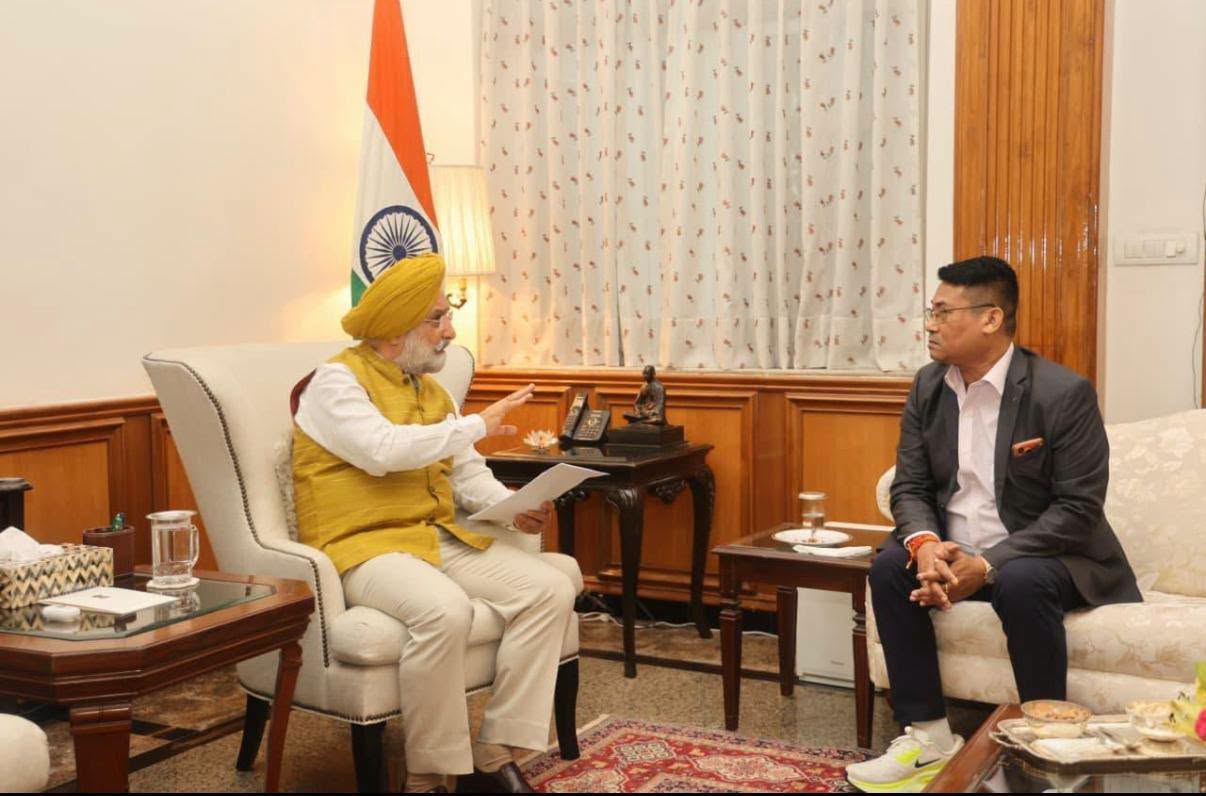
New Delhi, India - The country's Jal Shakti Minister, C R Paatil, has announced a significant shift in the nation's water management strategy. Speaking at the launch of the Ministry's two-day summit, 'Vision for Sujalam Bharat', Paatil emphasized that building new dams is no longer a viable long-term solution due to high costs, land acquisition challenges, and dwindling river flows.
According to Paatil, India's water crisis is a pressing issue, with the country accounting for 18% of the world's population and livestock but only 4% of the global freshwater resources. He highlighted the difficulties in constructing new dams, pointing out that it takes 25 years and ₹25,000 crore to build a single dam.
To address the water crisis, the government has turned its focus to large-scale water conservation, community participation, and groundwater recharge through initiatives such as the 'Jal Sanchay Jan Bhagidari' and the Jal Shakti Abhiyan. Paatil noted that the rapid expansion of JSJB structures, with citizens building 27.5 lakh structures against the target of 10 lakh in the first 10 months, demonstrates the potential of community-led efforts.
Ministers of State for Jal Shakti, Raj Bhushan Choudhary and V Somanna, also emphasized the need for a cohesive and sustainable water management strategy. Choudhary highlighted the urgent need for interventions to address India's groundwater situation, which has been severely impacted by over-exploitation. Somanna stressed the importance of combining traditional knowledge with technological solutions to ensure long-term water security.
The ministers also highlighted the success of various initiatives, including the 'Catch the Rain' campaign, which has delivered extraordinary results, and the Jal Jeevan Mission, which has provided tap water to 82% of rural households. They emphasized that water security is not only an environmental or economic issue but also a matter of dignity, health, and social equity.