
Indian Airlines on Track to Meet Airbus Safety Deadline Despite Initial Concerns
The regulator said that a total of 200 IndiGo aircraft, 113 of Air India and 25 of Air India Express were impacted following the pitch-down incident | India News
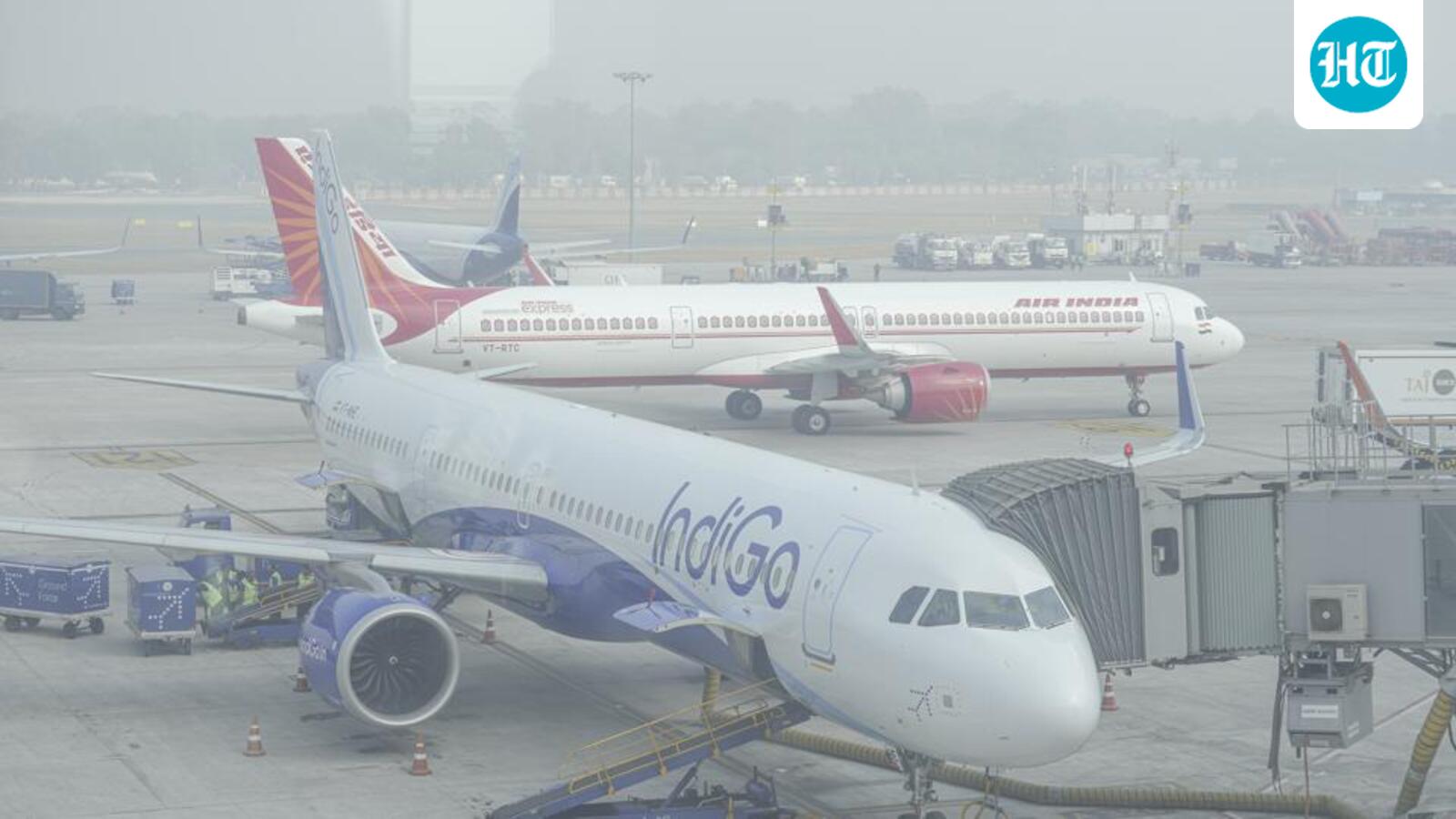
New Delhi: Indian airlines have made significant progress in upgrading their Airbus fleets, with over 55% of the 338 affected aircraft already upgraded. The move comes in response to a recent JetBlue incident in which several passengers were injured due to an uncommanded pitch-down. The European Union Aviation Safety Agency (EASA) issued an emergency airworthiness directive, prompting the Directorate General of Civil Aviation (DGCA) to act swiftly.
According to the DGCA, Indian carriers have been working closely with Airbus to complete the necessary upgrades. As of Saturday, IndiGo had upgraded 143 of its 200 affected aircraft, with no cancellations expected. Air India had completed upgrades on 42 of its 113 affected aircraft, while Air India Express had completed upgrades on four of its 25 affected aircraft.
The regulator has set a tight timeline for completing the remaining work, with full compliance expected before November 30. Air India expects minor delays or rescheduling, while IndiGo has emphasized its commitment to minimizing disruptions. With engineers working round the clock, the airlines are confident of meeting the deadline and ensuring continued safe operation of their aircraft.
The incident on the JetBlue flight, which occurred on October 30, led to a malfunction in the Elevator Aileron Computer (ELAC) flight control computer. Airbus issued an Alert Operators Transmission (AOT) instructing airlines on software changes or replacement of the affected ELAC units. The DGCA acted quickly to draw up an action plan, issuing a Mandatory Modification on November 29 to ensure the continued safe operation of the aircraft.
The regulator's swift action and the airlines' commitment to upgrading their fleets have ensured that Indian air travel remains safe and reliable. As the deadline approaches, the country's aviation sector is bracing for the upgrade, with airlines working tirelessly to meet the requirements and ensure minimal disruptions to passengers.