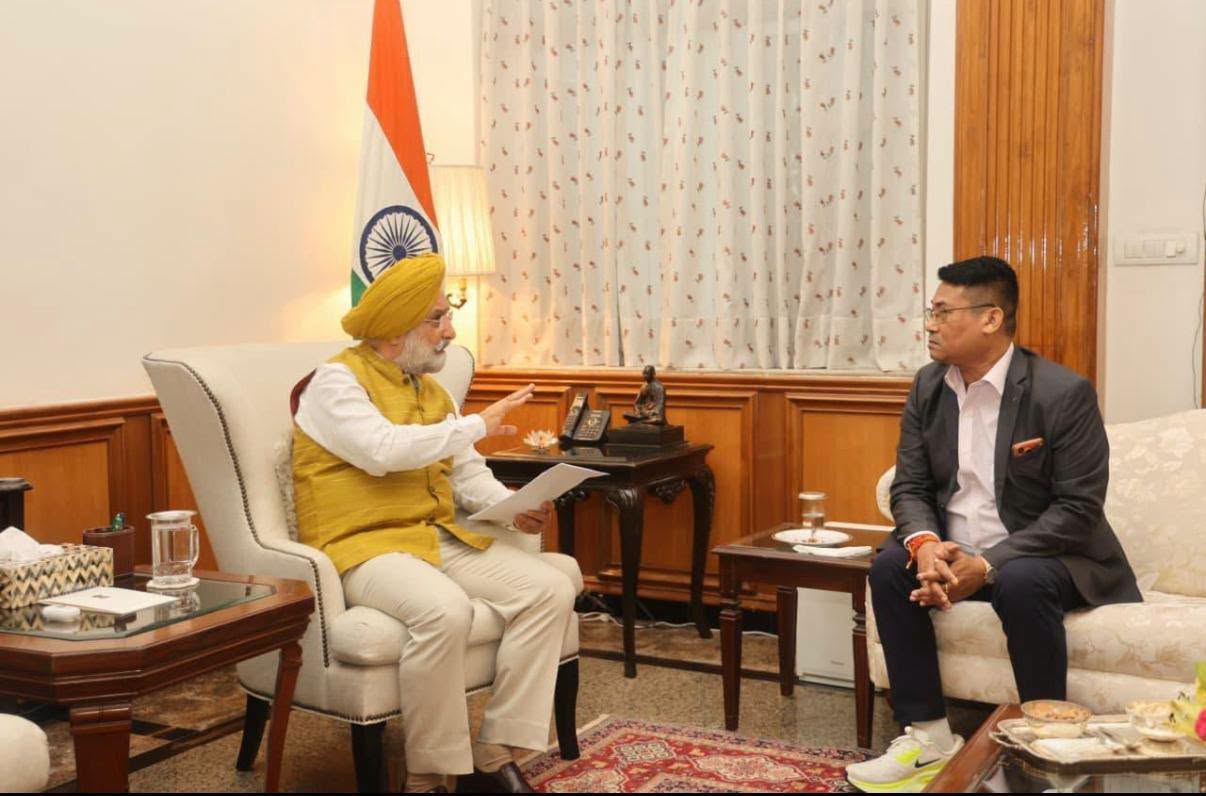
Justice Surya Kant Sworn in as India's 53rd Chief Justice, Pledging to Uphold Constitutional Values
Justice Surya Kant was appointed as the next CJI on October 30 and will remain in the post for nearly 15 months. | India News
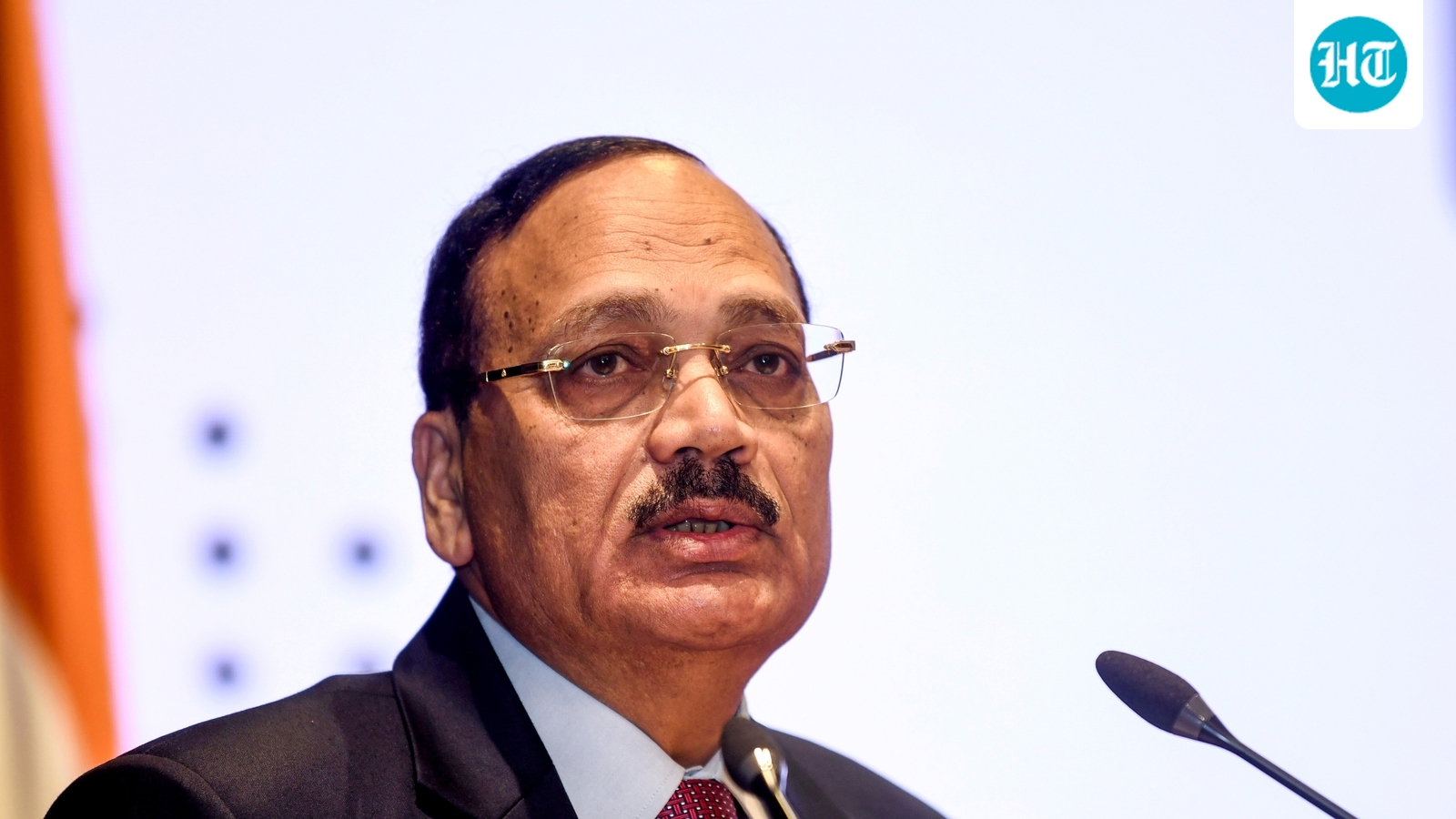
Justice Surya Kant, a trailblazer in India's judicial history, took oath as the 53rd Chief Justice of India on Monday. His tenure comes at a pivotal moment, with key verdicts and orders on abrogation of Article 370, free speech, and citizenship rights already under his belt.
Born into a middle-class family in Hisar district of Haryana, Justice Kant rose from humble beginnings to become the country's highest judicial authority. His remarkable journey, marked by academic excellence – he stood 'first class first' in his Master's degree in law in 2011 from Kurukshetra University – has been characterized by several landmark verdicts and orders.
As a judge in the Punjab and Haryana High Court, Justice Kant penned notable judgments that have had a lasting impact on the nation. His appointment as the Chief Justice of Himachal Pradesh High Court in 2018 was a significant milestone. As a Supreme Court judge, he has been part of several crucial verdicts, including the presidential reference on the powers of the Governor and President in dealing with bills passed by a state assembly.
One of his notable decisions was to keep the colonial-era sedition law in abeyance, directing that no new FIRs be registered under it until a government review. He also nudged the Election Commission to disclose the details of 65 lakh voters excluded from the draft electoral rolls in Bihar while hearing a batch of petitions challenging the poll panel's decision.
In a significant move that emphasized grassroots democracy and gender justice, Justice Kant led a bench that reinstated a woman sarpanch unlawfully removed from office and called out the gender bias in the matter. He is also credited with directing that one-third of seats in bar associations, including the Supreme Court Bar Association, be reserved for women.
As the new Chief Justice of India, Justice Kant will remain in office for nearly 15 months, until February 9, 2027, when he attains the age of 65 years. His appointment has sent a strong message about the importance of upholding constitutional values and upholding the rule of law in the country.