Justice Vikram Nath Takes Helm of NALSA as New Executive Chairperson
As per convention, the post of executive chairperson of the National Legal Services Authority (NALSA) goes to the second senior-most judge of the Supreme Court | India News
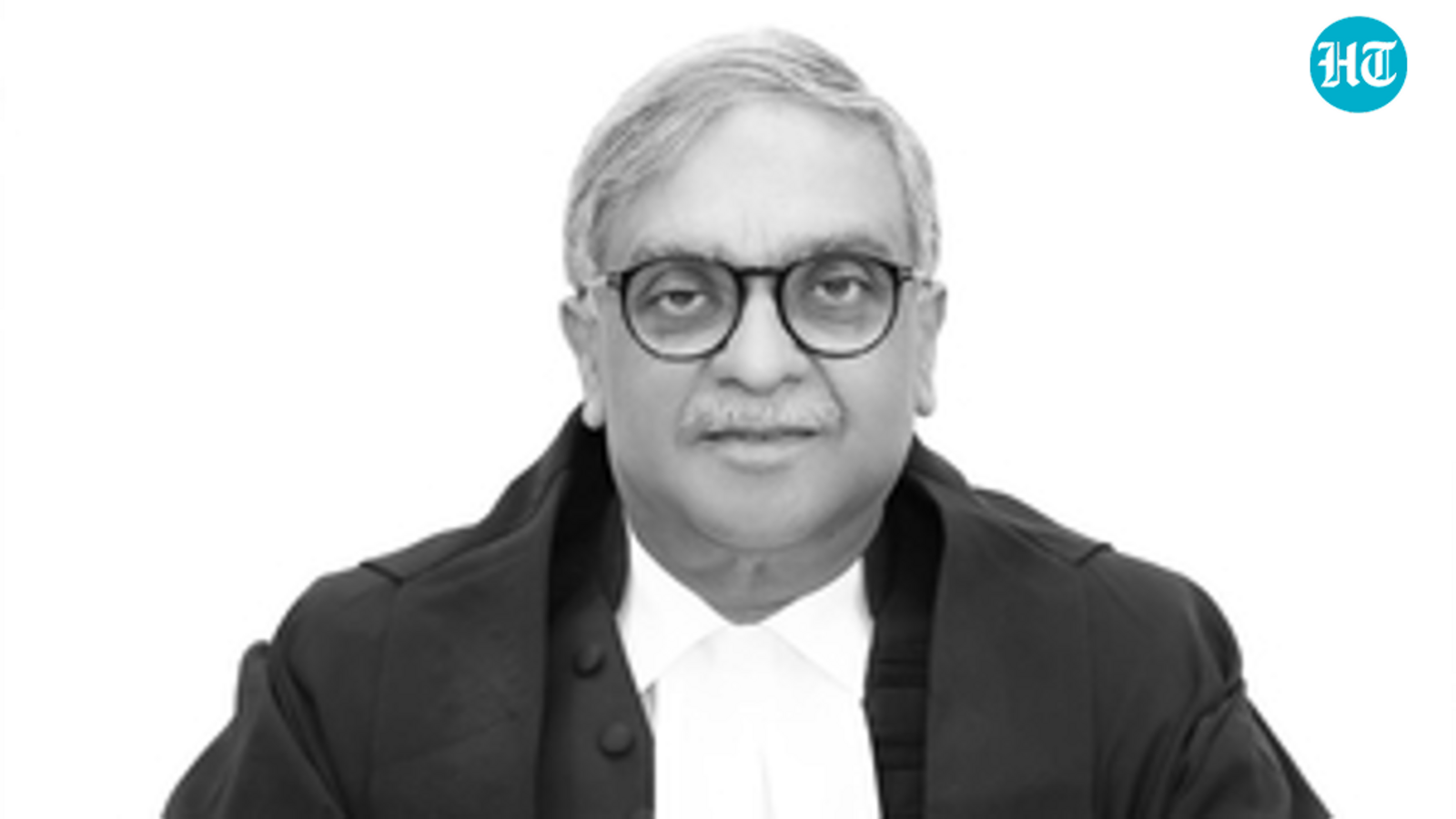
The President of India has appointed Supreme Court Justice Vikram Nath as the executive chairperson of the National Legal Services Authority (NALSA) with effect from November 24. This appointment marks a significant milestone in Justice Nath's illustrious career, as he takes on the key administrative role at India's top legal aid institution. NALSA is dedicated to providing free and competent legal services to marginalized and economically weaker citizens.
With over two years of experience at the Supreme Court, Justice Nath has established himself as a champion of access to justice and institutional reforms. Prior to his current role, he served as Chairman of the Supreme Court Legal Services Committee, where he played a pivotal role in improving justice delivery and advocating for systemic changes.
Justice Nath's tenure at the apex court has been marked by several constitutionally significant decisions, including his involvement in a landmark five-judge bench ruling that clarified the President's powers regarding state bills. The bench held that the President and Governors cannot be bound by judicially imposed timelines for granting assent, cautioning that such a mandate would disrupt the separation of powers.
In another notable judgment, Justice Nath led a three-judge bench that modified previous directions concerning stray dogs in Delhi-NCR, emphasizing the need for state accountability. He also authored the judgment that acquitted Surendra Koli in the Nithari killing case, highlighting the importance of re-examining evidence in such high-profile cases.
Justice Nath's appointment as NALSA executive chairperson is seen as a testament to his commitment to upholding the constitutional mandate under Article 39A, which ensures that no individual is denied justice due to financial or social constraints. His leadership is expected to further strengthen NALSA's mission to provide free and competent legal services to marginalized communities.