Karnataka CM Warns of 'Coercive Centralism' Threatening India's Federal Democracy
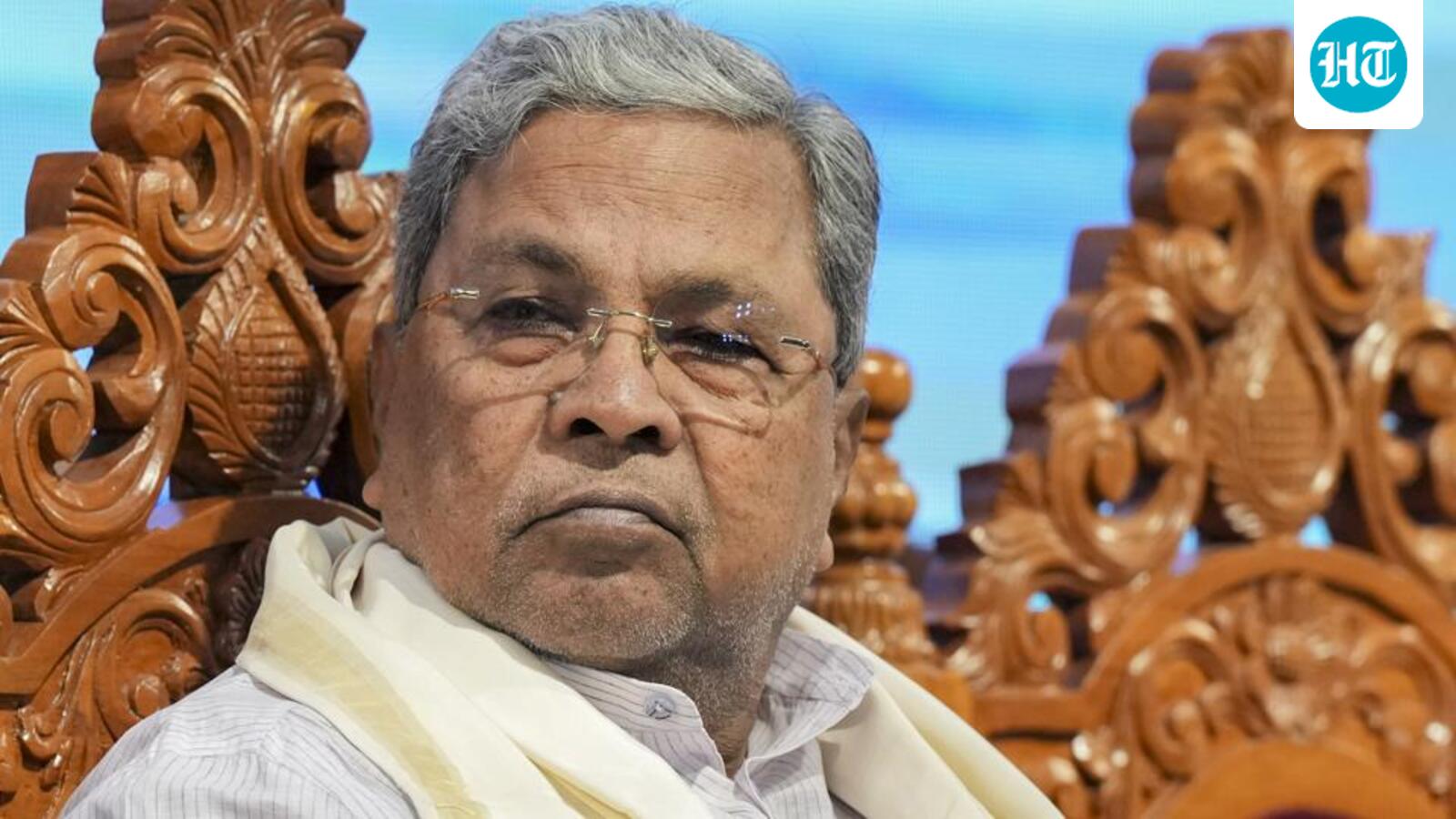
Image Source: Internet
Karnataka Chief Minister Siddaramaiah has sounded the alarm over a worrying shift from cooperative federalism to coercive centralism in India. Speaking at the South Indian Socialist Conference, he warned that decisions made in Delhi are being imposed on states and celebrated as reforms, threatening the very foundations of India's federal democracy.Siddaramaiah emphasized that cooperative federalism is not a choice, but the soul of the Indian Constitution. He argued that the current trend of coercive centralism is not just a policy issue, but a threat to the structure of the Indian union, executed through financial control, political pressure, and constitutional manipulation.The CM alleged that the BJP-led union government has replaced trust with control and partnership with punishment, systematically dismantling the cooperative and socially democratic approach. He pointed out that fiscal federalism has been hollowed out through shrinking tax devolution and the hoarding of resources via cesses and surcharges.States are being reduced to implementers without authority, expected to deliver welfare while being denied funds, Siddaramaiah said, warning that population control, social progress, and responsible governance are no longer rewarded but penalized. He also highlighted the proposed delimitation of Lok Sabha constituencies, which he warned would weaken the political voice of south India and lead to the suppression of fiscal federalism.Citing studies, the CM said that Uttar Pradesh and Bihar could gain over 20 seats, while Tamil Nadu and Kerala together could lose 16 seats, with Karnataka also facing a serious reduction in political representation. He warned that if delimitation proceeds without correcting this injustice, South India would be 'politically marginalized' in its own country.Siddaramaiah's remarks come at a time when the very idea of India is being tested. He urged the nation to come together to protect the soul of the Constitution and ensure that the country's unity lies not in uniformity, but in respect for its diverse regions, languages, and cultures.