Karnataka Power Struggle: CM Siddaramaiah and Deputy CM D K Shivakumar Reaffirm Unity Ahead of Crucial Winter Session
It comes after the Congress high command instructed both leaders to settle their differences before the winter session of the Karnataka Assembly begins in Belagavi on December 8 | India News
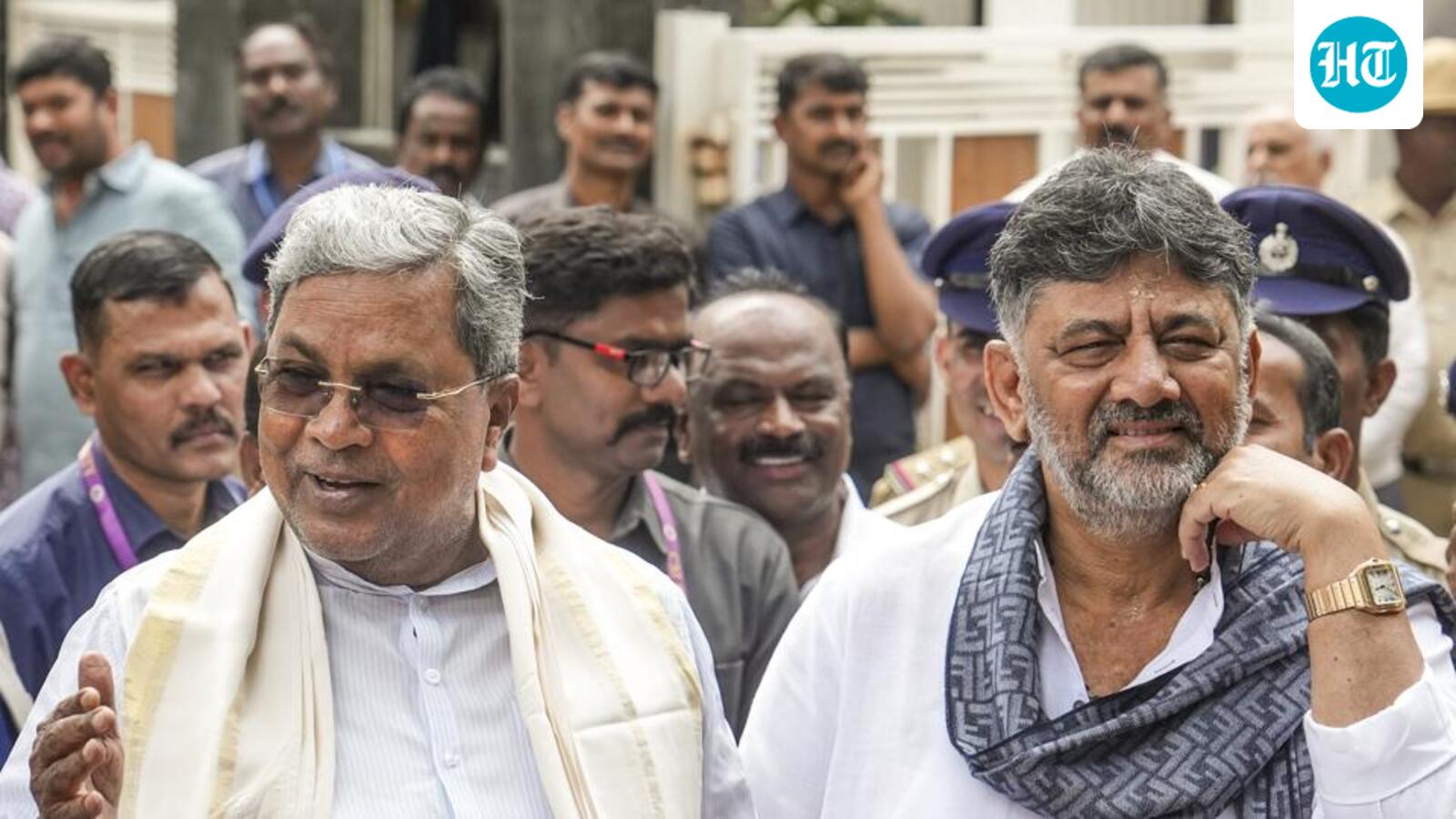
Bengaluru: Amidst speculation over leadership changes in the Karnataka government, Chief Minister Siddaramaiah and Deputy Chief Minister D K Shivakumar met for a second time in less than a week to discuss their roles and reaffirm their commitment to the Congress party. The meeting, held at Shivakumar's residence in Sadashivanagar, was a result of the party high command's instruction to settle their differences before the winter session of the Karnataka Legislative Assembly begins on December 8.
Siddaramaiah emphasized that he and Shivakumar remain aligned in their purpose and direction, stating that they will follow the direction of the Congress high command, including Rahul Gandhi. The Chief Minister also signaled his willingness to step aside if instructed by the party leadership.
The meeting came a day after Shivakumar described the gathering as an affair between 'brothers'. The two leaders jointly addressed the press after the meeting, reiterating their commitment to follow the party's direction regarding leadership changes.
The discussion also touched upon the government's response to an expected no-confidence motion from the BJP and JD(S). Siddaramaiah announced plans to take an all-party delegation to Delhi on December 8 to meet Karnataka's MPs and brief them on the state's issues.
According to Congress insiders, the party leadership in Delhi is expected to call both leaders for consultations after the current Parliament session ends on December 19. The expected discussions will cover various matters, including possible changes in government leadership, a cabinet reshuffle, and the appointment of a new head of the Karnataka Congress unit.
The Congress high command is preparing to address several key issues with the two leaders, including the management of Karnataka's water resources and concerns affecting farmers. The party is also expected to discuss internal negotiations and possible changes in the state government's leadership.