Kolkata Airport's Hidden Safety Threat: A Century-Old Mosque Sparks Concerns
The issue resurfaced after West Bengal BJP chief Samik Bhattacharya raised questions and the Civil Aviation Ministry’s response became public. | India News
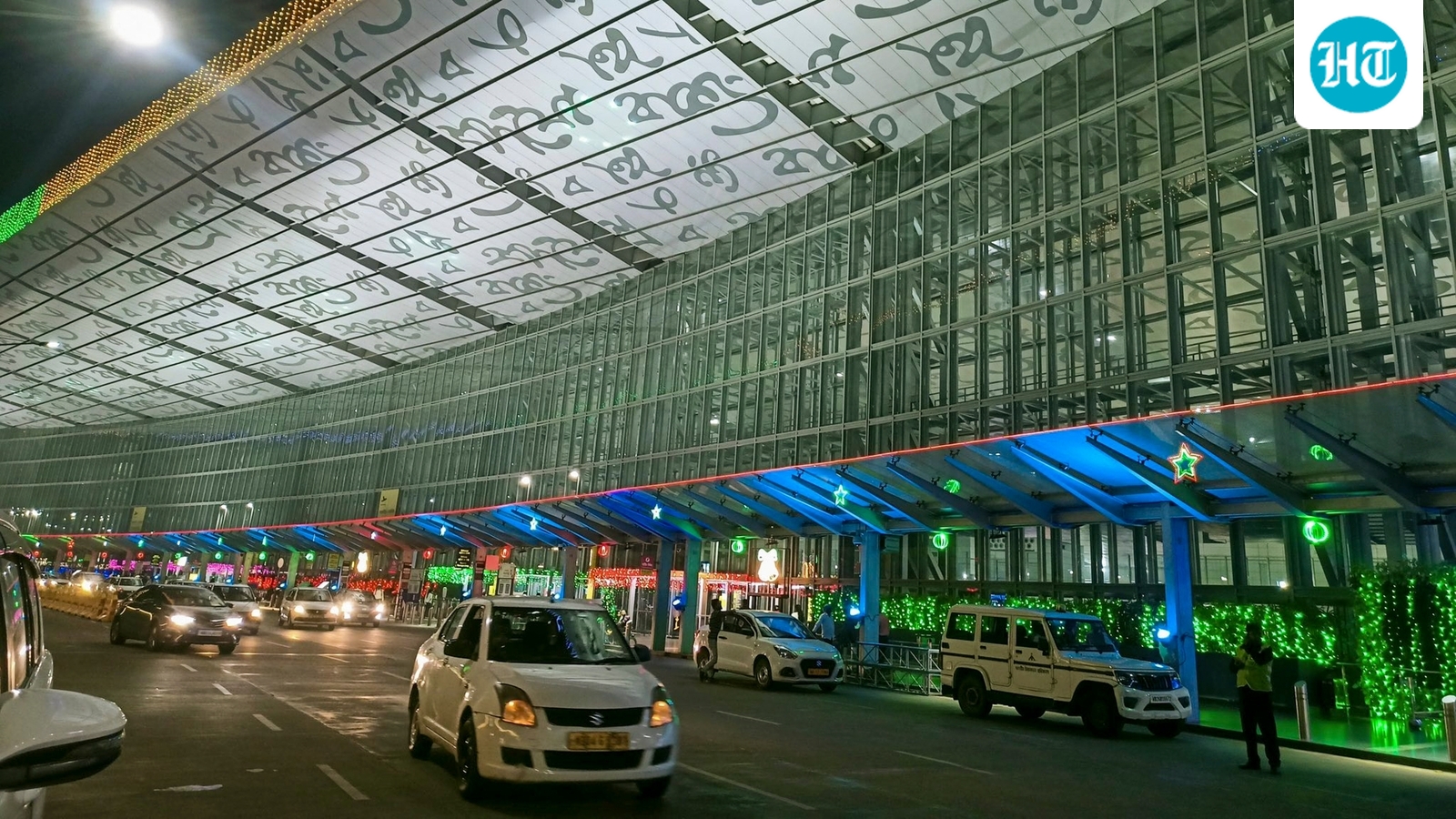
A century-old mosque located inside Kolkata's Netaji Subhas Chandra Bose International Airport has reignited safety concerns. The structure, situated less than 300 meters from the secondary runway, has been a point of contention for years.
West Bengal BJP chief Samik Bhattacharya recently raised questions about the mosque's presence in the operational area, citing safety concerns and repeated notices to remove or relocate it. The Civil Aviation Ministry acknowledged the mosque's proximity to the secondary runway, stating that it displaces the northern side threshold by 88 meters.
The ministry explained that the primary runway is used for regular operations, while the secondary runway is only used when the main one is unavailable. However, the mosque's presence affects the safe extension and utilization of the secondary runway.
The controversy surrounding the mosque dates back to the 2000s, when authorities considered diverting the runway instead of removing the structure. Recent attempts to shift the mosque have faced resistance from its committee. In 2019, the Airports Authority of India proposed a tunnel to free up surface land, but it did not receive security clearance.
The issue has sparked a debate, with BJP leaders questioning the government's inaction and accusing it of prioritizing vote bank politics over passenger safety. The airport's expansion plans have also been delayed due to the relocation of the mosque, which has been a contentious issue for years.
The mosque's presence inside the airport is a result of its historical significance, dating back to the 1890s when the area was a village. However, as the airport expanded, the mosque remained, and its presence has become a safety concern.
The debate highlights the complexities of balancing historical preservation with modern infrastructure development. As the airport continues to expand, the fate of the century-old mosque remains uncertain, sparking concerns about passenger safety and the prioritization of political interests.