Lalu's Muslim Vote Bank Fades: Fatigue and Resentment Take a Toll in Bihar Polls
A serious dent in the M-Y combination that will be an existential threat to the RJD. And the lowest number of Muslim lawmakers in the incoming assembly– only 11 | India News
A pivotal moment in Bihar's electoral history dates back to 1990 when Lalu Prasad, the then chief minister, arrested BJP leader Lal Krishna Advani during his Ram Rath Yatra. This act of defiance earned Prasad the title of a champion of secularism and helped him win over the Muslim vote from the Congress. For 15 years, Prasad's rule was marked by a concerted effort to promote communal harmony in the state. He patronized key Muslim community leaders, empowered strongmen from the community, and presented himself as a grassroots alternative to Nehruvian secularism.
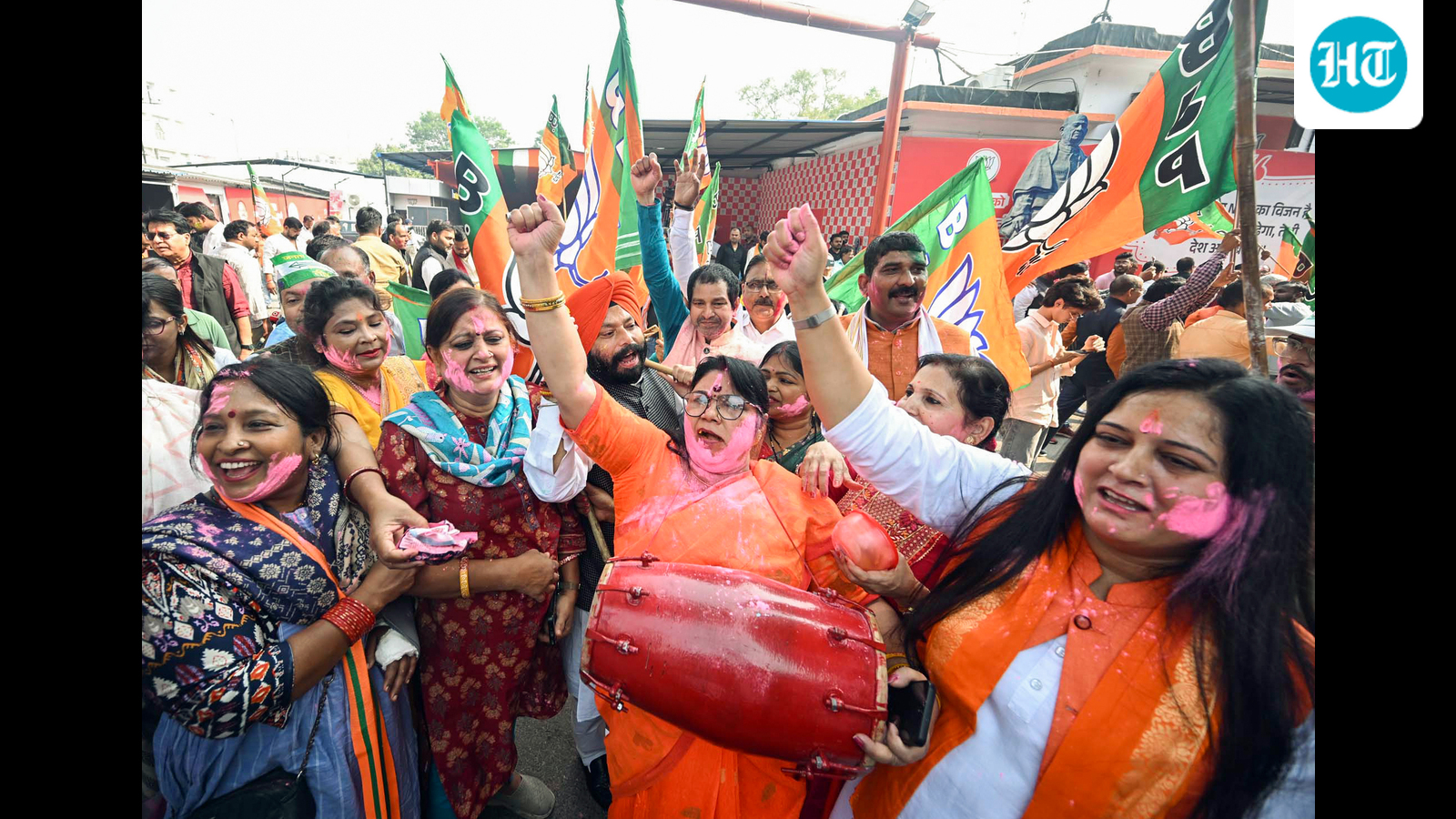
For over two decades, Muslims in Bihar have largely backed the Rashtriya Janata Dal (RJD) and its M-Y formula, which relied heavily on the Muslim-Yadav combination. However, in recent elections, the All India Majlis-e-Ittehadul Muslimeen (AIMIM) has made significant inroads, winning five seats in the 2020 and 2025 polls. The AIMIM's success has been attributed to fatigue, a lackluster campaign, and resentment among Muslims towards being taken for granted by the RJD.
The Grand Alliance, which included the RJD, won just five seats in the Seemanchal region, a traditional stronghold of the Muslim community. The RJD's failure to retain the Muslim vote has dealt a severe blow to its chances of forming a government in the state. The incoming assembly will have the lowest number of Muslim lawmakers in years, with only 11 representatives.
Experts believe that the RJD's failure to deliver on its promises, including the scrapping of the Waqf law, has eroded trust among Muslims. The alliance's decision to name a deputy CM candidate with a 2% vote bank while ignoring the community's demands has further exacerbated the situation. The RJD's dependence on the Muslim-Yadav combination has been disrupted, and it remains to be seen how the party will recover from this setback.