Language Barriers Broken: Regional Tongues Find Voice in Lok Sabha
In the winter session of Parliament, 160 speeches –– fully or in part –– were delivered in languages other than Hindi and English in the Lok Sabha | India News

A significant shift is underway in the Lok Sabha, with more lawmakers opting to speak in their native languages. According to data from the Lower House secretariat, 160 speeches –– either entirely or partially –– were delivered in languages other than Hindi and English during the winter session. Tamil led the way, with 50 speeches, followed closely by Marathi (43) and Bengali (25).
This marked a significant increase from the previous monsoon session, where only 13 Tamil, 12 Marathi, and 10 Bengali speeches were recorded. The change can be attributed to the introduction of live translations in all 22 official languages by Lok Sabha Speaker Om Birla. This move has made it possible for lawmakers to express themselves freely, without the need for prior notice.
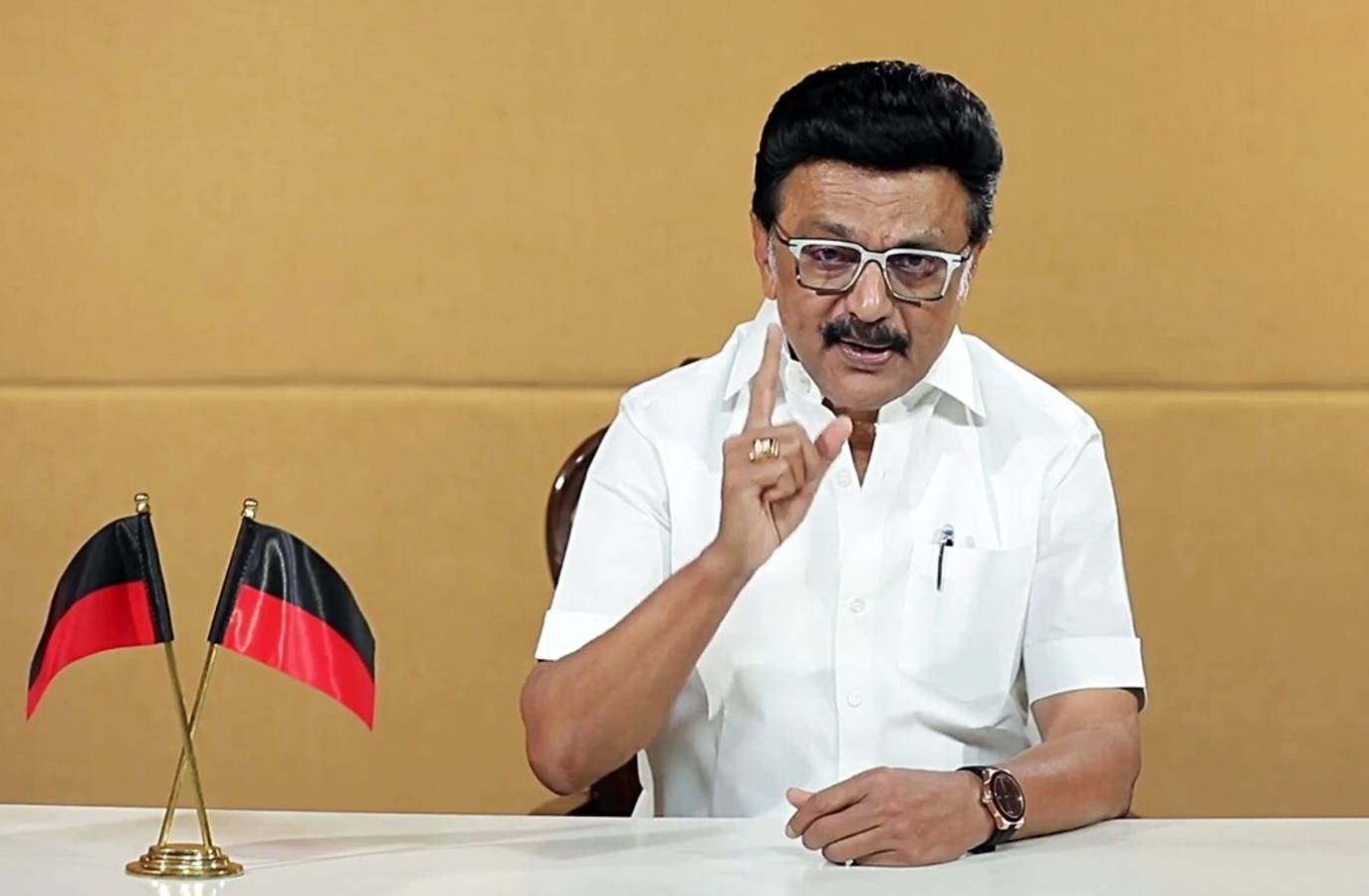
A total of 37 MPs took advantage of this new system, using languages such as Bodo, Manipuri, Santhali, Assamese, Urdu, and Kannada. Some lawmakers choose to speak in their local languages to ensure their constituents back home understand them. For instance, senior DMK MP TR Baalu spoke in Tamil for the first time in 11 years during the winter session.
The introduction of live translations has not only benefited the Lok Sabha but has also been adopted for other government programs, including the Prime Minister's meetings and conferences of parliamentary bodies and government think tank Niti Aayog. This move is seen as a step towards greater inclusivity and representation in the country's legislative proceedings.